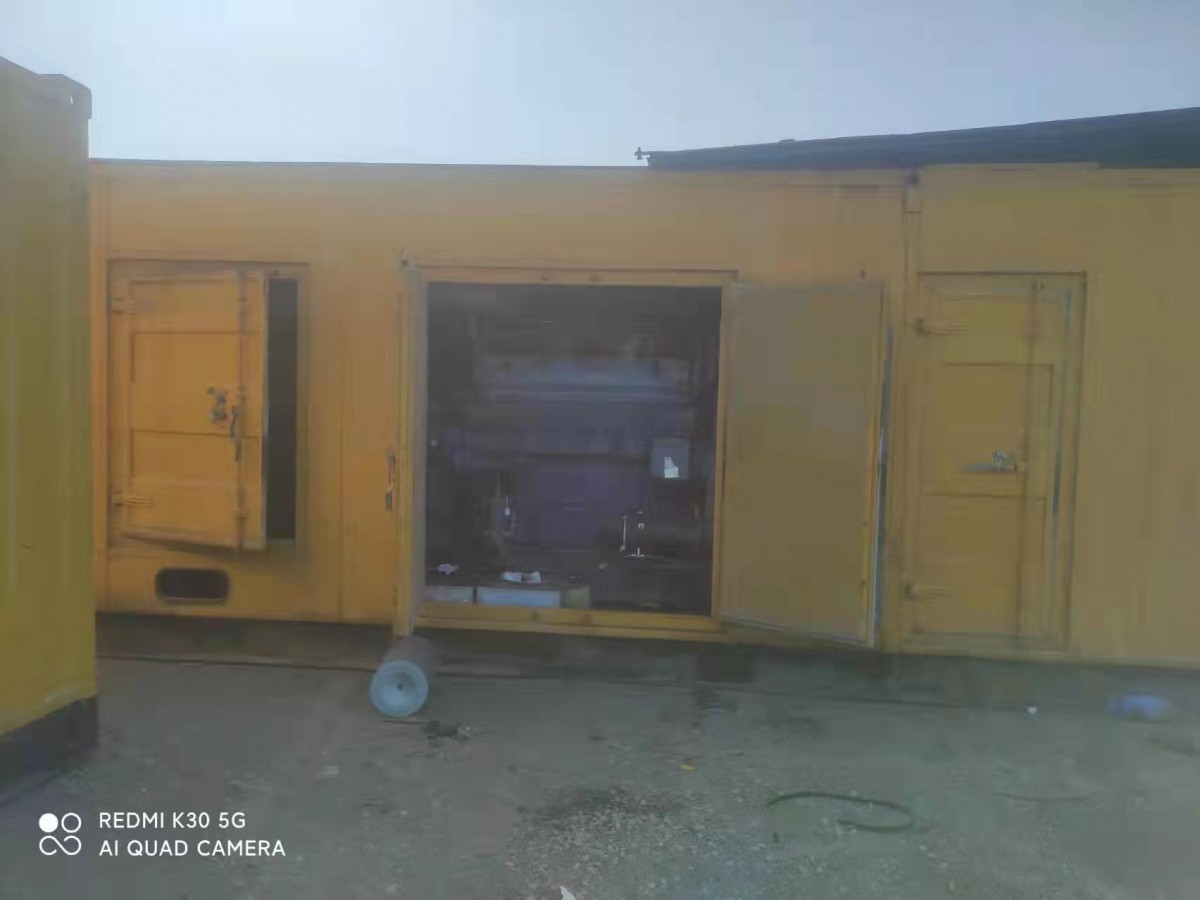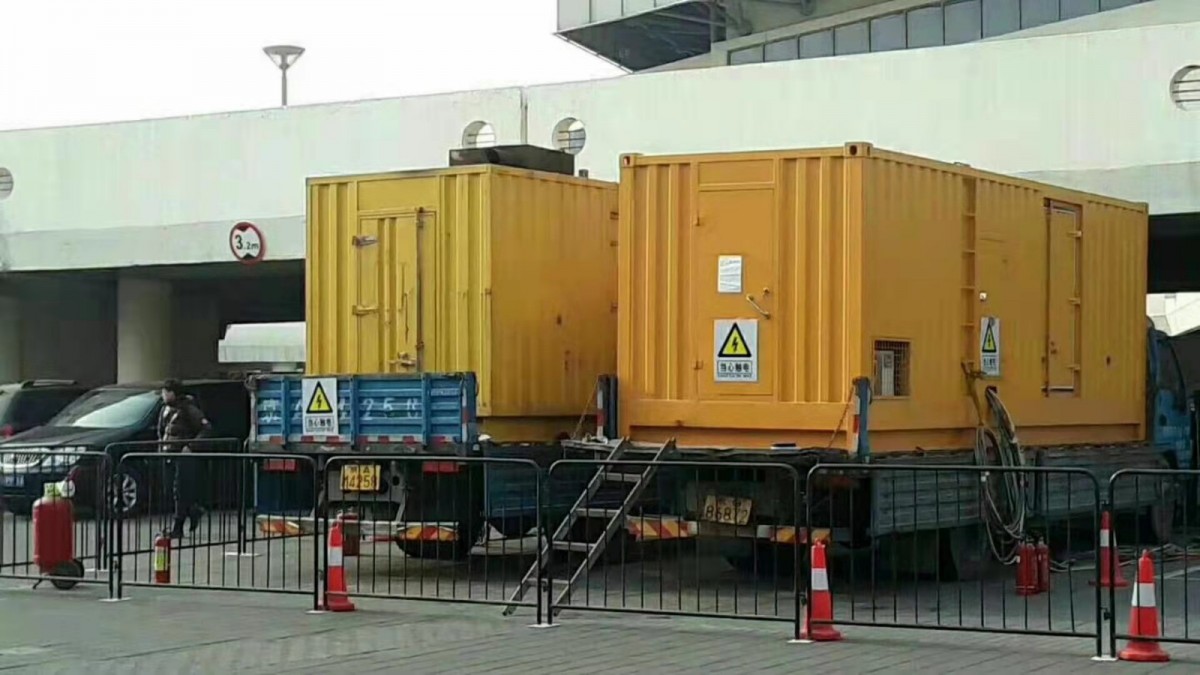

We all know that generator sets produce a significant amount of heat over time. Although the cooling system of the unit itself can reduce some of the heat, there's still excess heat that needs to be dispersed through our manual operations.
Utilizing environmental changes for waste heat treatment: 1) When water sources are abundant and the water temperature is relatively low, it is advisable to use water cooling for cooling and heat dissipation in the server room, i.e., using water as the cooling medium to cool the air inside the room. 2) When water sources are scarce and the temperature of externally introduced air during summer can meet the cooling requirements of the server room, it is preferable to use air cooling or a combination of air cooling and steam cooling. 3) When there is no sufficient water source and the incoming air temperature cannot meet the requirements for air-cooled power stations, it is possible to design the use of artificial refrigeration and self-contained cold air units with built-in cooling sources to dissipate the excess heat in the server room. As human living standards rise, many customers purchase diesel generator sets as backup power sources to prevent power outages. However, the noise produced by diesel generators also has a significant impact on our lives.
Introduction to the noise sources of small diesel generators: Aerodynamic noise is caused by unstable processes of gases, i.e., disturbances in gases and their interactions with objects. Aerodynamic noise directly radiated into the atmosphere, including intake noise, exhaust noise, and cooling fan noise, is difficult to strictly differentiate from combustion noise and mechanical noise. Typically, the noise radiated outward through the cylinder head, piston, connecting rod, crankshaft, and engine body due to pressure fluctuations formed by combustion inside the cylinder is referred to as combustion noise. The noise produced by the impact and vibration of the piston on the cylinder sleeve and the mechanical impact vibration of moving parts is called mechanical noise. Generally, the combustion noise of direct-injection diesel engines is higher than the mechanical noise, while the mechanical noise of non-direct-injection diesel engines is higher than the combustion noise. However, at low speeds, combustion noise is always higher than mechanical noise.