

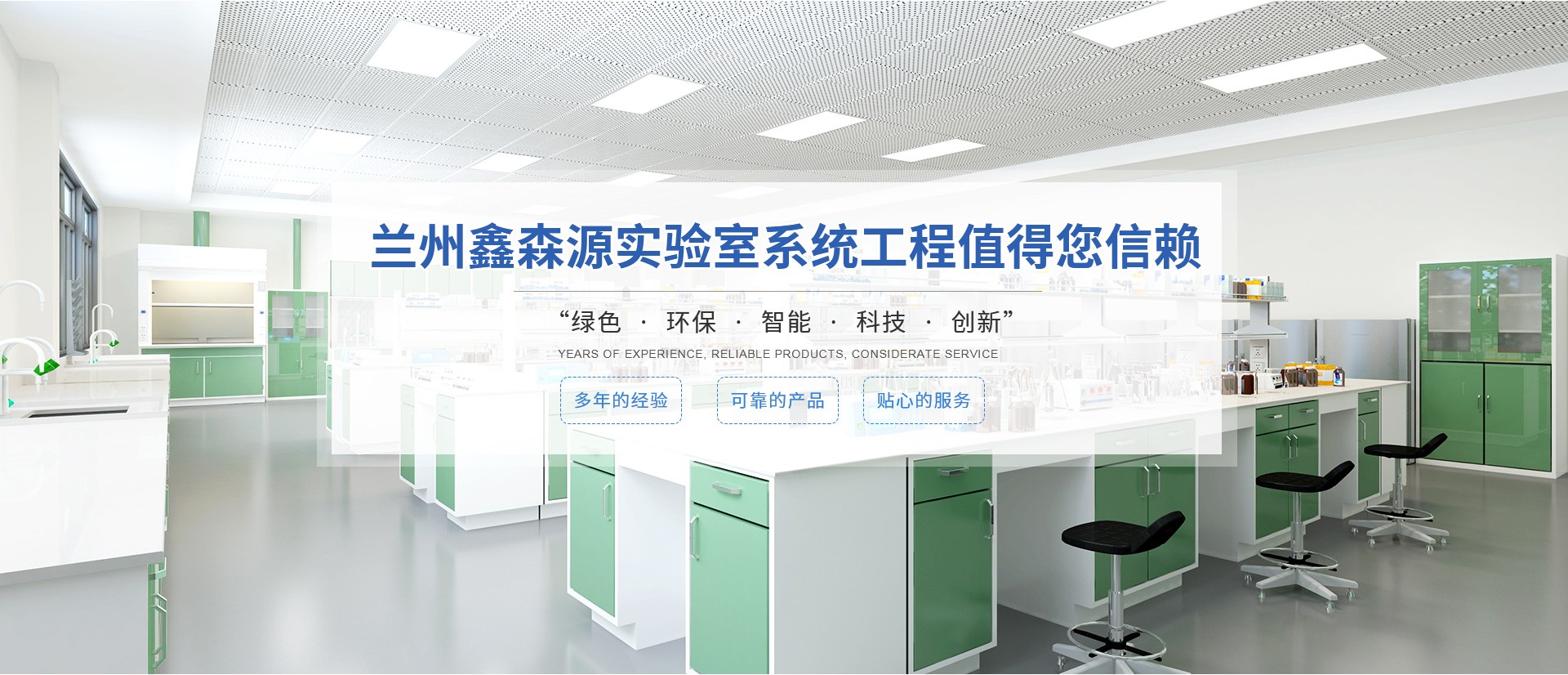



The selection of anti-corrosion materials in a modern laboratory, based on the type of laboratory and the frequently used reagents, is crucial. Inadequate selection can render a laboratory equipment useless in a short period, affecting normal operations and resulting in significant economic losses. Therefore, when describing laboratory and化验室 equipment, it is essential to have a thorough understanding of the commonly used chemical reagents before proceeding with the selection of raw materials.
1. Metal materials selection should meet all the requirements of Section 4.3 for material requirements, Section 4.4 for appearance requirements, and Section 4.5 for the physical and chemical properties of the coating on the product surface, as specified in GB/T3324.
2. The selection of wooden articles should comply with all contents of 4.3-4.7 in GB/T3324.
3. Anti-corrosion materials are selected from a variety of chemical reagents, including organic and inorganic testing options, such as PVC boards, fire-resistant boards, glass boards, ceramic boards, natural granite, stainless steel, etc. They should meet all the contents of the UL SUBJECT*1805 93 USA laboratory equipment standards 14-17.
Lab Bench Installation Standards
The drawings and specifications, created in collaboration with both supply and demand parties, are accurate in terms of equipment, configuration, and orientation planning. This ensures a neat appearance and meets the predetermined technical standards and quality specifications, adhering to the regulations of this standard.
Inspection Method
The exhaust air velocity at the work surface of the fume hood (work surface wind speed) and the auxiliary air velocity (make-up air velocity) test are as follows: A type AM-4201 electronic liquid crystal digital display anemometer (accuracy conforms to GB6379-86) is selected. Set the switch to ON and the range key to the 0.4-30m/s setting. Place the anemometer probe in the center of the fume hood glass door, 50-100mm above the open height of the work surface. It should comply with clause 3.2.3 of this specification.
The full internal implementation of the 5 test methods of B/T3324 and GB/T3325.
Regulations for Laboratory Bench Inspection
In line with the industry's characteristics, we conduct factory inspections and refer to Section 5 of GB/T3324-1995. In addition to factory inspections, we also perform on-site acceptance inspections after installation. The inspection regulations include consistency checks, batch determination based on product characteristics and the needs of both parties, as well as sampling inspections.
The company emphasizes product technology development, ensuring all technical staff from the R&D department to the design department receive professional training and align with international standards. In design, we meticulously consider customer requirements, site space, safety, convenience, and engineering budget. Adhering to the principle of "humanization," our CAD computer drafting system produces flat, 3D, and detailed design drawings with precise specifications, providing clients with more intuitive and professional product recommendations and layout solutions.


通过中商114认证