



 通过中商114认证

3. To avoid barriers caused by continuous cropping of the same soil, which is less prone to pest and disease occurrences.
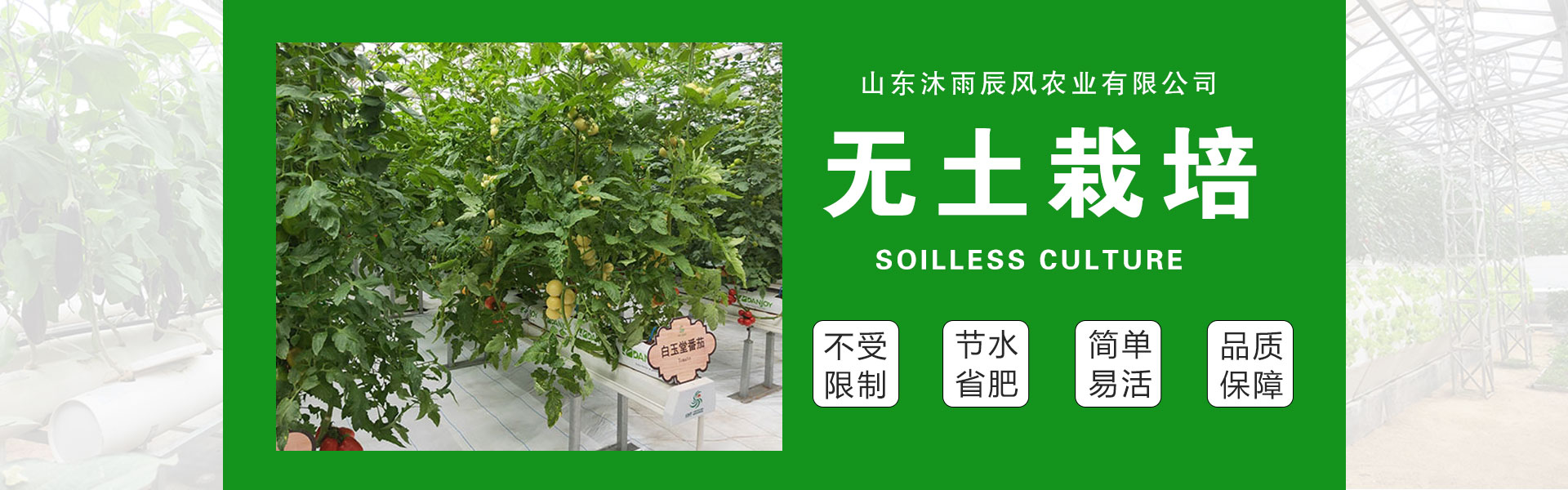
Soilless cultivation is performed under relatively enclosed environmental conditions, greatly avoiding invasions from external environments and soil-borne pathogens. Due to the robust growth of crops in soilless cultivation, the incidence of pests and diseases is much lower, and there are no public hazards such as parasitic eggs and heavy metal chemical pollutants that exist in soil planting.
Soil cultivation in agricultural facilities often leads to a significant outbreak of soil-borne diseases and pests due to continuous cropping, sudden nutrient imbalances, and the self-toxic effects of root exudates from plants, all of which pose a major challenge to the development of facility soil cultivation. Soilless cultivation, on the other hand, can fundamentally avoid and resolve the issue of soil succession obstacles. After each crop harvest, simply by cleaning and disinfecting the cultivation facilities, the next crop can be planted immediately.
