
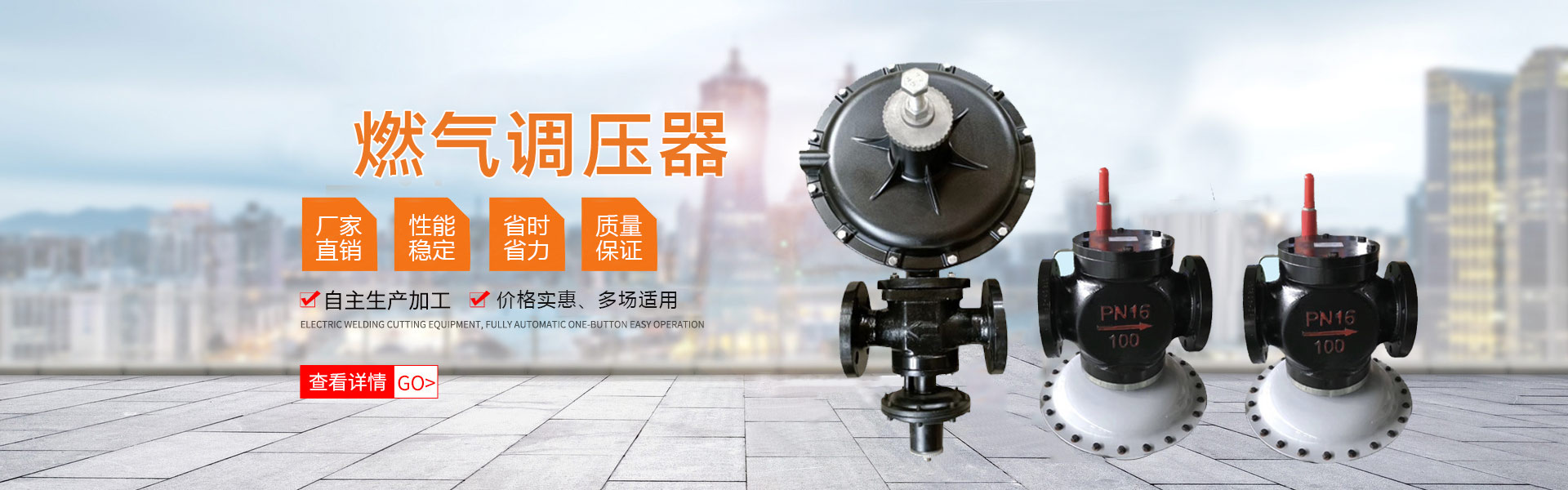
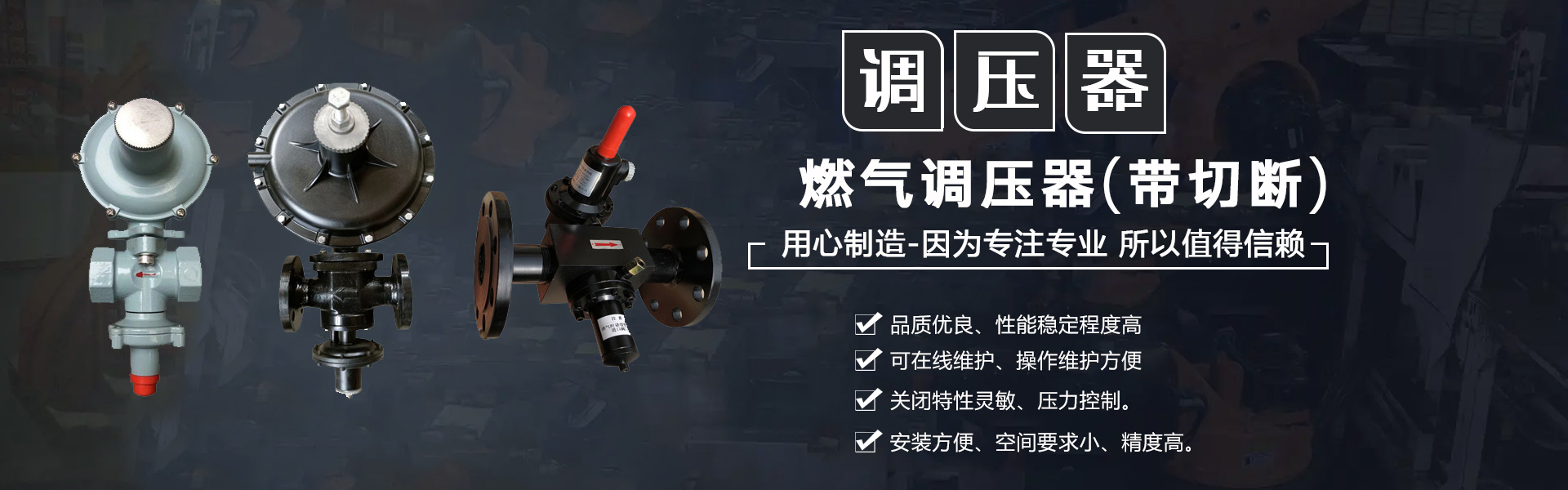

The pressure-reducing valve is a crucial gas appliance accessory installed on the corner valve of a liquefied petroleum gas cylinder, connecting the corner valve to the hose, which plays a role in lowering and stabilizing the output pressure. It boasts simple structure, stable pressure, light weight, and easy adjustment and installation. It is mainly composed of parts such as the intake port, exhaust port, handwheel, upper and lower valve covers, intake nozzle, breathing hole, upper gas chamber, pressure-reducing chamber, valve seat, lever, rubber diaphragm, spring, and adjustment screw plug. Its structural composition is illustrated in the diagram. Specializing in selling pressure-reducing valves for gas appliances, welcome to purchase! We know that liquefied petroleum gas, when exiting the cylinder, is at high pressure and first enters the intake pipe to reach the pressure-reducing chamber. When the user closes the gas appliance's switch, as more liquefied petroleum gas enters the pressure-reducing chamber, its pressure increases, pushing the rubber diaphragm, which is pressed by the spring, upwards. The air in the upper gas chamber is then排出 through the breathing hole. This forces the lever to move upwards, utilizing the lever's action to close the valve opening, cutting off the path of the liquefied petroleum gas import. The pressure at the outlet of the pressure-reducing valve no longer rises. When the gas appliance's switch is opened, the liquefied petroleum gas flows out of the pressure-reducing valve, causing the pressure in the pressure-reducing chamber to drop, causing the rubber diaphragm to sink, moving the lever downwards. External air enters the upper gas chamber through the breathing hole, causing the valve seat to move towards the center, expanding the intake nozzle, increasing the intake volume, and raising the pressure. This continuous adjustment process ensures that the pressure in the pressure-reducing chamber remains constant, meaning that regardless of whether the intake pressure is high or low, the outlet pressure remains stable, thus achieving the functions of pressure reduction and stabilization.
News Center Co., Ltd.
