

Product Features:
1. This system utilizes a semiconductor laser as the light source and fiber optics for the external light path transmission system. It can achieve laser processing techniques such as laser quenching and laser cladding, meeting the production needs for laser processing.
2. The equipment consists of a German-imported LASERLINE semiconductor fiber-coupled laser (3KW laser, 1 fiber cable of 20 meters), optical working head, dual-temperature dual-control water chiller, robot arm, worktable, and laser processing control system.
3. Remote Service Module: Diagnose, upgrade, and change modes through the remote network module.
4. The central control system integrates relevant information of machine tools and lasers, enabling control over the start and stop of machine tools, as well as the start and stop of lasers. It allows for setting the laser power and displaying the actual power in real-time, and controlling the start and stop of the powder feeding unit. A highly integrated system. Once the machine tool's processing program is written, setting the laser power in the central control system can complete the processing with a single click.
5. High-quality "Laser Processing Lenses, Aluminum Dustproof, Durable, Suitable for laser processing techniques below 15kW. Lens diameter: 50.8 mm. Outer diameter of lens: 70 mm.
6. The double-chamber vacuum powder feeder utilizes a carrier gas powder feeding structure, enabling long-distance powder transportation. It serves as an auxiliary device for laser processing, allowing for simultaneous powder feeding during laser processing. It meets the requirements of 3D laser cladding and laser rapid prototyping technologies.
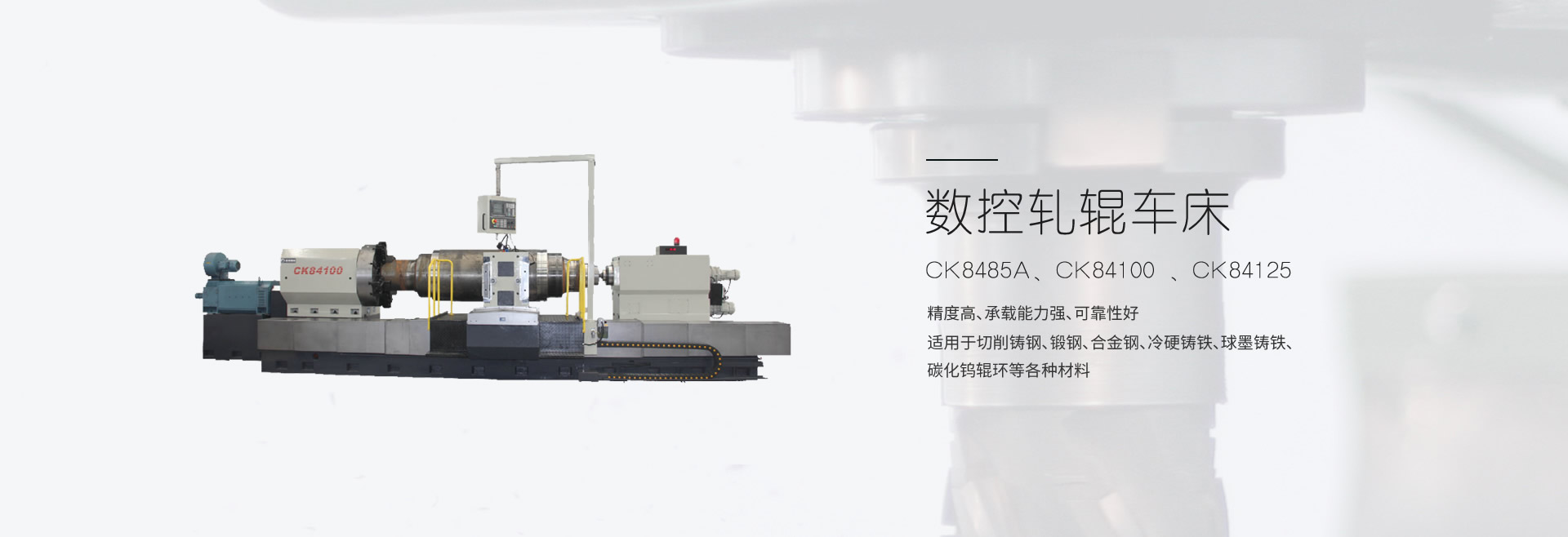
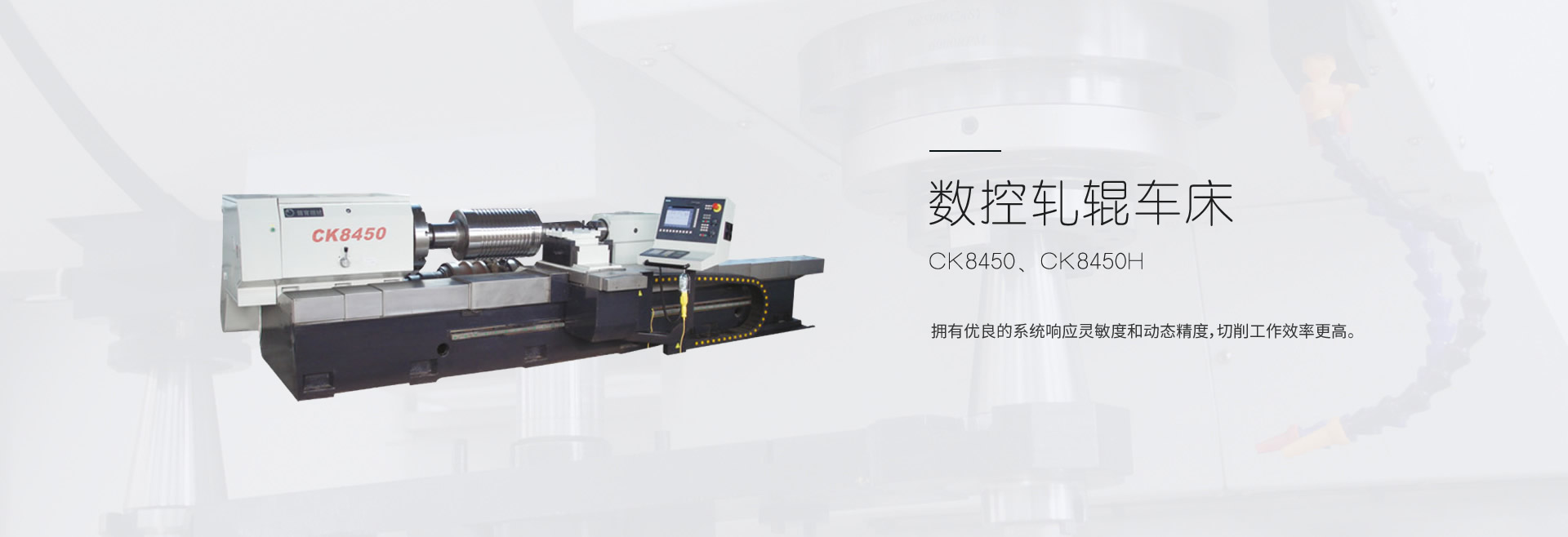
7. The four-axis machine tools selected in this system are high-precision and high-sensitivity models produced by our company, including the machine tool body, control cabinet, control system, power cables, and voltage stabilizer. The protective design features a fully enclosed structure, offering both safety and practicality with a novel and aesthetic appearance.
Equipped with a Siemens 828D CNC system, featuring automatic programming and automatic realization of motion control over various trajectories. Allows the laser head to perform hardening, alloying, and other functions on different curved surfaces.
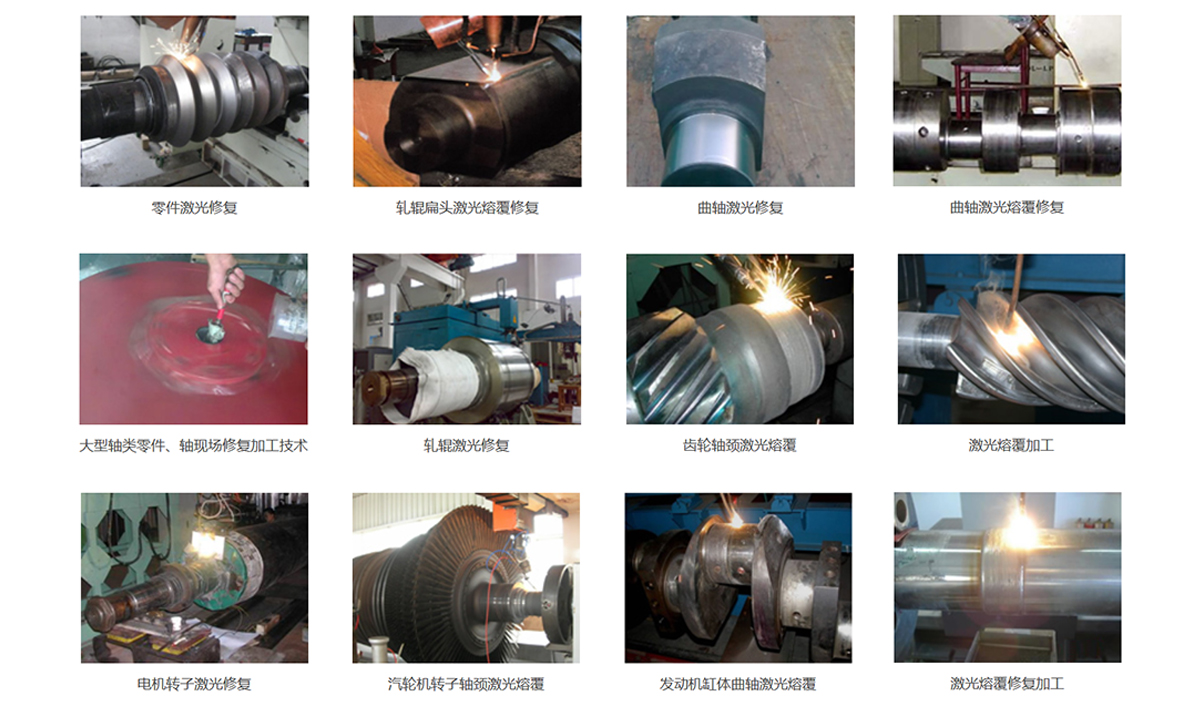
The laser processing center can also adjust various application functions according to actual conditions, such as laser marking, laser drilling, laser cutting tables, and laser cutting, etc. The main application projects for roller include:
Laser cladding, also known as laser coating or laser deposition, involves placing selected alloy powder on the coated substrate surface with different fillers. It is then irradiated with a laser to melt a thin layer of the substrate surface simultaneously, which rapidly solidifies to form a surface coating with extremely low dilution and metallurgical bonding with the substrate material. This process significantly improves the wear, corrosion, heat resistance, oxidation resistance, and electrical properties of the substrate material surface. The hardness of the cladding layer after laser cladding can be flexibly selected between HRC15-60, with a cladding thickness of 0.1-10.0mm. It can also clad non-metallic powders such as tungsten carbide and ceramic powders. It can greatly enhance the mechanical properties of the part surface, including hardness, wear resistance, corrosion resistance, and fatigue resistance, significantly increasing the service life of the material. Additionally, it can be used for the treatment of scrap parts, greatly reducing processing costs.
Laser quenching, also known as laser heat treatment, laser hardening, and laser surface modification. It has short processing time, does not require overall heating, can achieve localized hardening with uniform hardness, and post-processing parts do not deform or damage surface finish. The structure becomes finer after laser quenching, enhancing wear resistance, effectively resolving challenges that traditional heat treatment cannot address. Customer usage has shown that employing laser quenching technology can optimize manufacturing processes, improve product quality and value-added, and reduce costs.
Laser roughening technology involves using high-energy, high-repetition-frequency pulse laser beams to preheat and strengthen the roller surface after focusing, and then directing the focused beam to the roller surface to create a small molten pool. Simultaneously, an auxiliary gas with a set pressure and flow rate is applied to the small molten pool by a side-blowing device, causing the molten material within the pool to accumulate as specified, forming an arc-shaped raised platform (peak count) at the edge of the pool.