

Product Details



价 格Negotiable
最小起订1 库存1004
 Business Card
Negotiable

Negotiable

Negotiable

Negotiable
 Vortex Induced Gas Floating Machi
Negotiable
Vortex Induced Gas Floating Machi
Negotiable
 Printed Waste Water Treatment Equ
Negotiable
Printed Waste Water Treatment Equ
Negotiable
 Integrated Automatic Dosage Feedi
Negotiable
Integrated Automatic Dosage Feedi
Negotiable
 Subsurface Wastewater Treatment E
Negotiable
Subsurface Wastewater Treatment E
Negotiable
 Shallow-Floating Separator
Negotiable
Shallow-Floating Separator
Negotiable
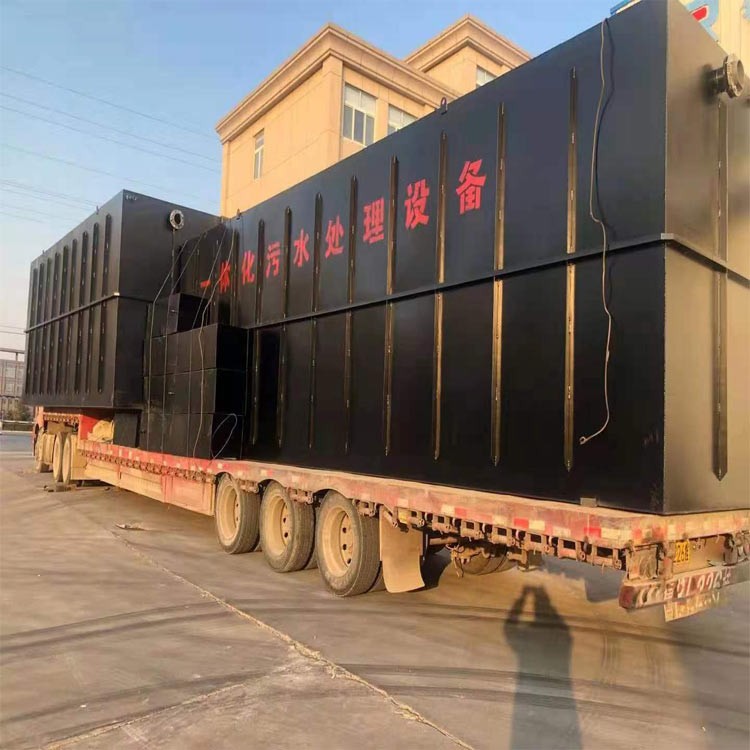 Municipal wastewater treatment eq
Negotiable
Wastewater Treatment Equipment Ma
Negotiable
Municipal wastewater treatment eq
Negotiable
Wastewater Treatment Equipment Ma
Negotiable
 Septic Tank
Negotiable
Septic Tank
Negotiable
 Meat Processing Wastewater Treatm
Negotiable
Meat Processing Wastewater Treatm
Negotiable
 Distillery Wastewater Treatment E
Negotiable
Distillery Wastewater Treatment E
Negotiable
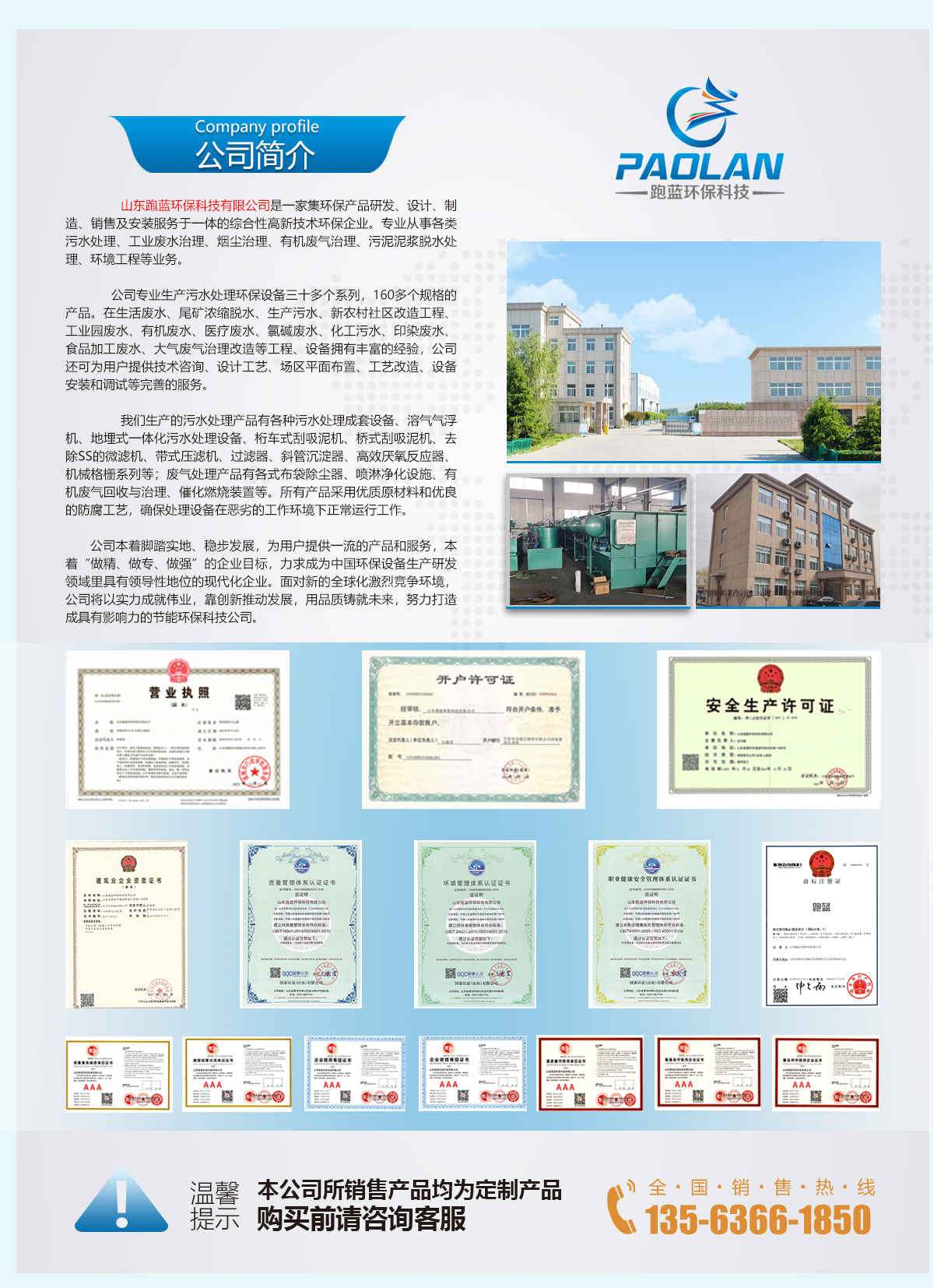

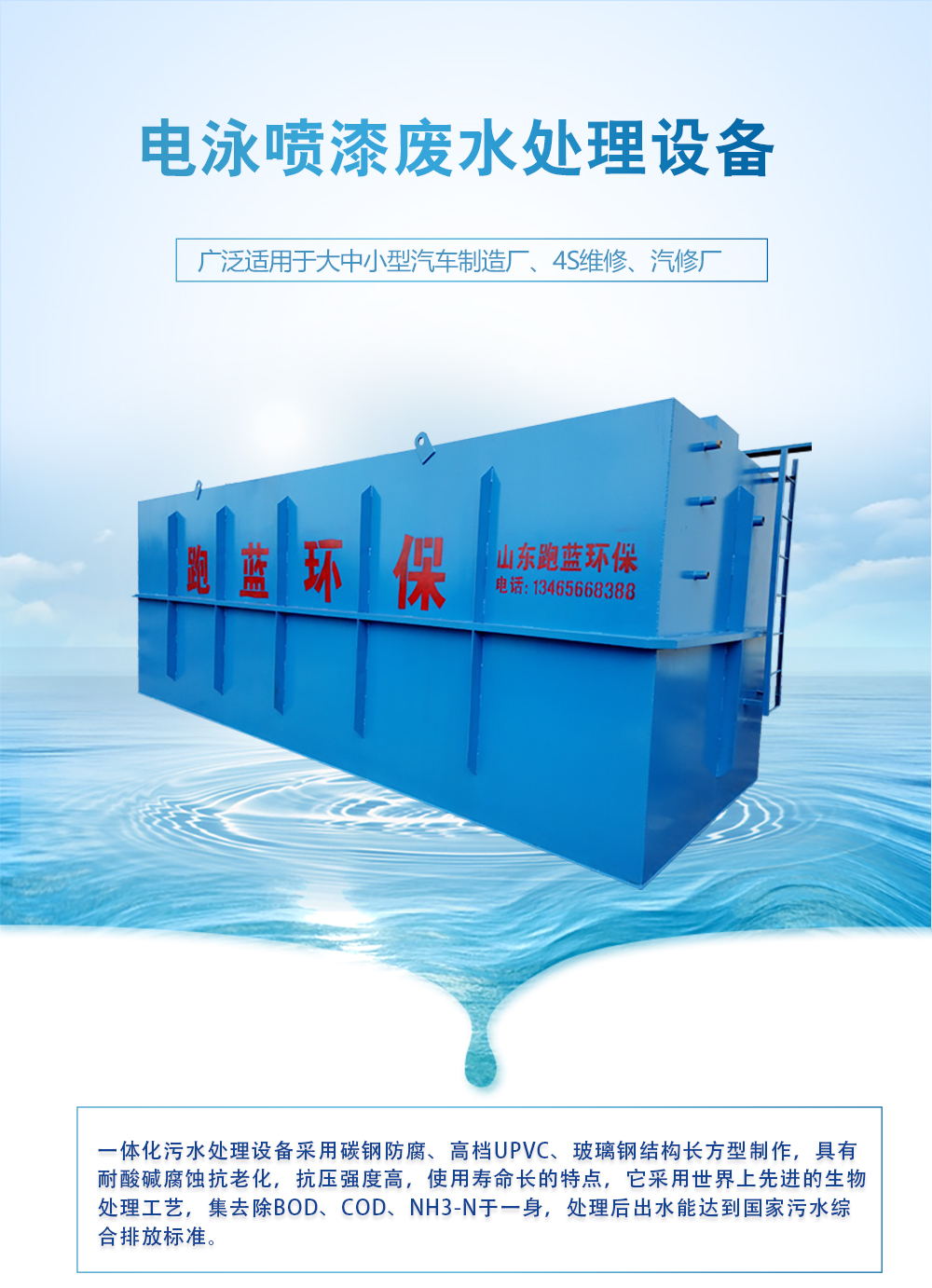
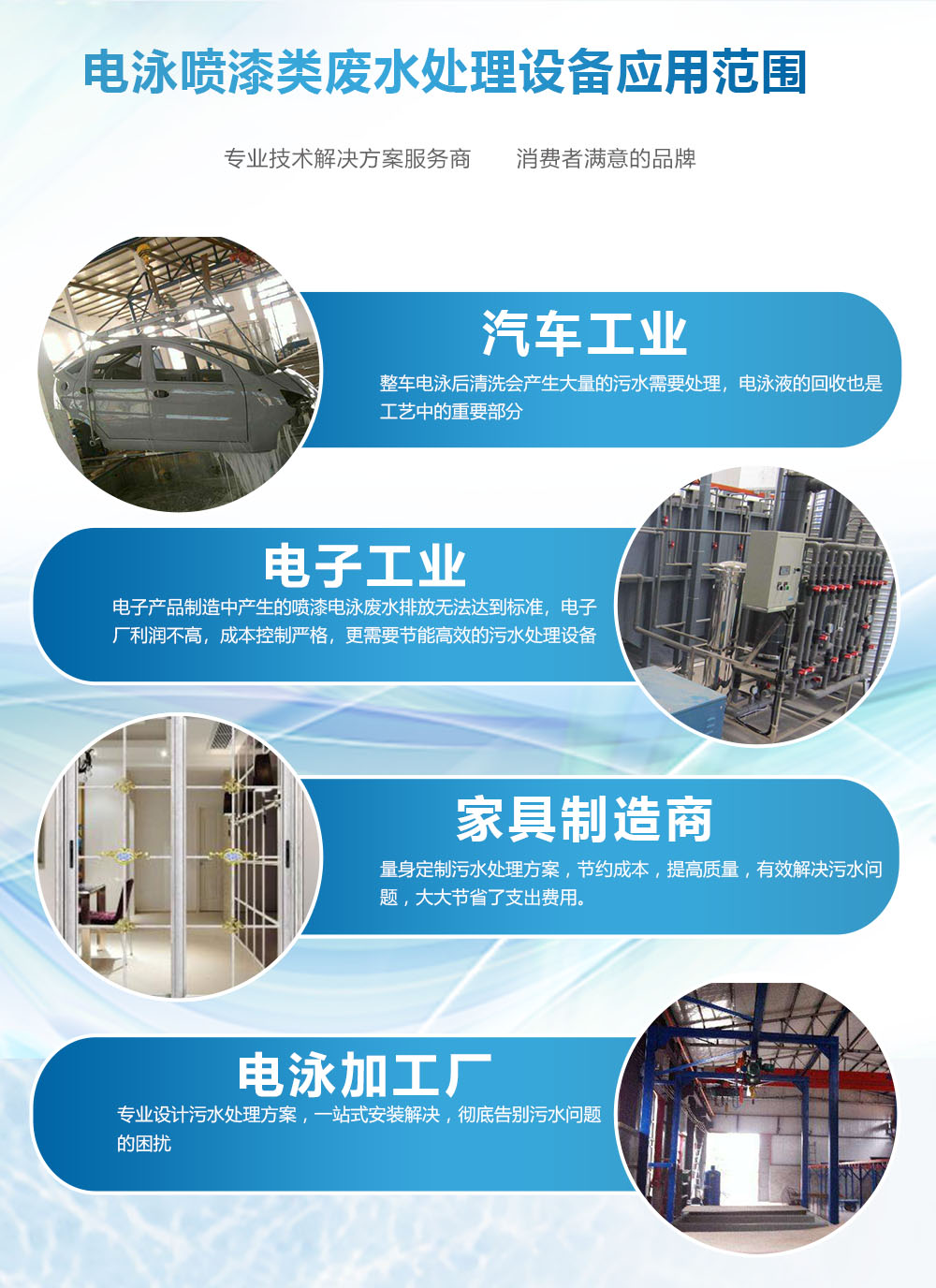
Electrophoretic coating is a special film-forming method that has developed over the past 30 years, featuring water solubility, non-toxicity, and ease of automation control. It is widely used in industries such as automotive, electronics, building materials, and hardware. Consequently, electrophoretic wastewater is generated, becoming a type of industrial wastewater that is relatively common. This wastewater is characterized by a variety of pollutants and complex composition. Moreover, due to significant differences in industry and enterprise scale, the volume and quality of electrophoretic wastewater vary greatly, necessitating diverse treatment processes.
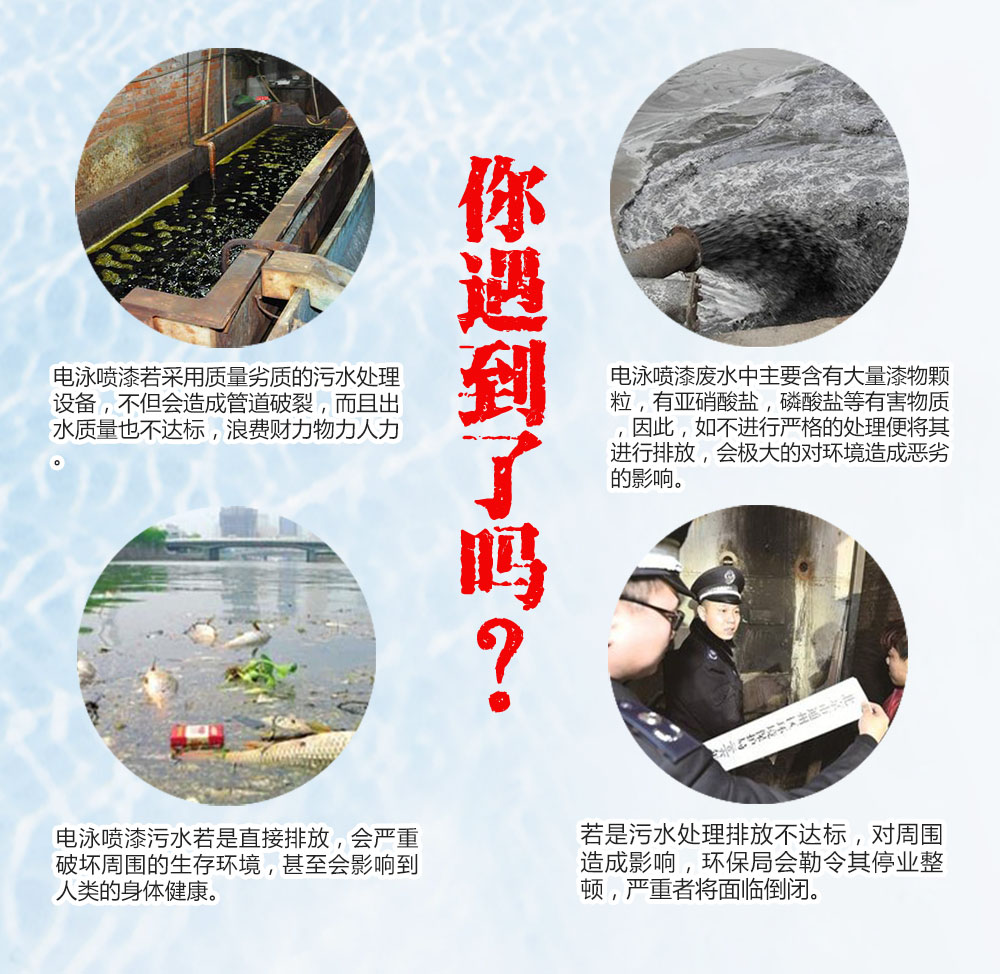
Electrophoretic paint wastewater can be divided into two categories: one is high in organic matter, and the other contains pre-treatment wastewater with phosphorus, typically including harmful chemicals such as epoxy resins, paints, vegetable oils, carboxylic acids, butanol, and pigments. The composition is complex, difficult to biodegrade, and can cause significant environmental harm.
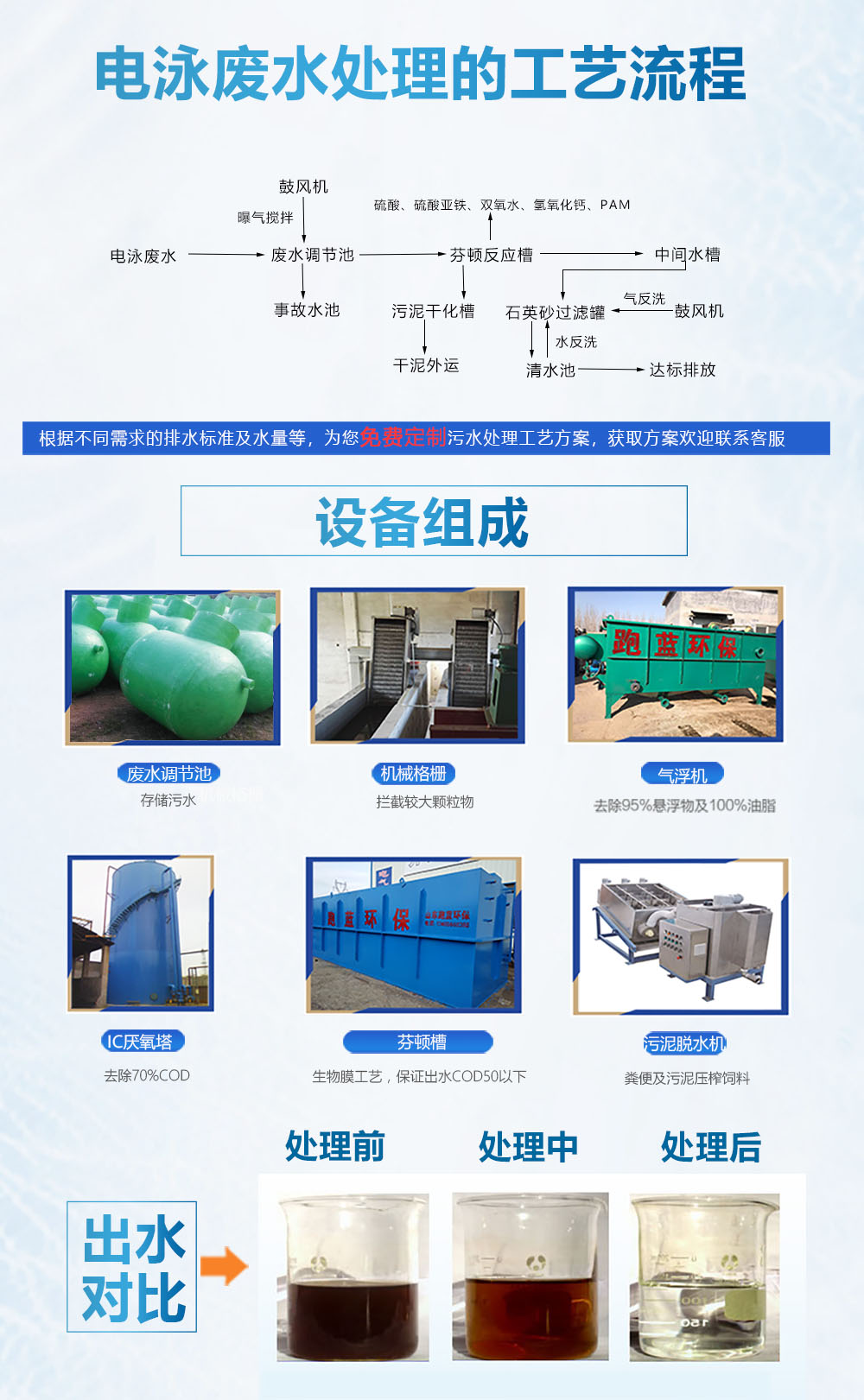
Electrophoretic wastewater treatment equipment treatment method
1. Concrete and ceramic membrane microfiltration combined process
This process for treating cathodic electrostatic powder coating wastewater allows the treated effluent to be used as circulating rinse water in painting workshops; for wastewater with low organic concentration, the treated water can be discharged directly. Lime milk is used as the flocculant, which accelerates the sedimentation of electrostatic powder coating wastewater, achieves a high COD removal rate, and effectively removes phosphates from the wastewater. The pH of the electrostatic powder coating wastewater is 6.0 to 6.5. During the coagulation process, pH is adjusted by adding sulfuric acid and lime milk. When lime milk is used as the flocculant and the pH is 6.7, the coagulation process achieves approximately a 63% COD removal rate. Further treatment with ceramic membrane microfiltration increases the COD removal rate in the wastewater to 85%.
Due to the anodic electrostatic coating in the cathodic electrostatic wastewater being a cationic resin-type water-soluble paint, the wastewater, if untreated, enters the membrane tubes where charged particles easily adsorb and deposit on the membrane surface and within the pores, drastically reducing the flux. Pretreated wastewater, however, sees particles destabilized due to the electro-neutralization and adsorption bridging effects of coagulants, leading to the formation of sediment.
2. Wastewater treatment by flotation method
The flotation process relies on numerous tiny air bubbles adhering to flocs, making their density less than 1 and causing them to float and be removed. The separation speed is proportional to the density difference between the liquid and the aerated flocs, as well as the square of the equivalent diameter of the aerated flocs. Increasing the equivalent diameter of the aerated flocs and the density difference with the liquid can significantly enhance the separation speed of solids and liquids. This is the primary reason why the flotation process is superior to the chemical precipitation method for water purification. The quality of the purified water by flotation depends on factors such as the physical and chemical properties of the wastewater, liquid velocity, feed ratio, and the bubble density of the dissolved air water.


Phone Consultation