




- AllProduct Category
-
Photovoltaic Storage Test Aging Series
Charging Pile Test Aging Series
Smart Simulation Load Series





详情描述
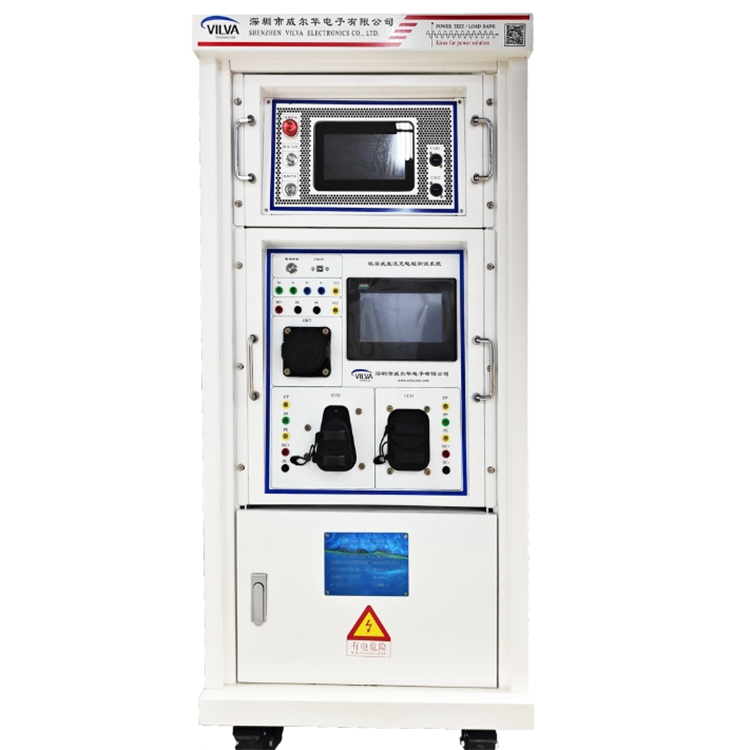
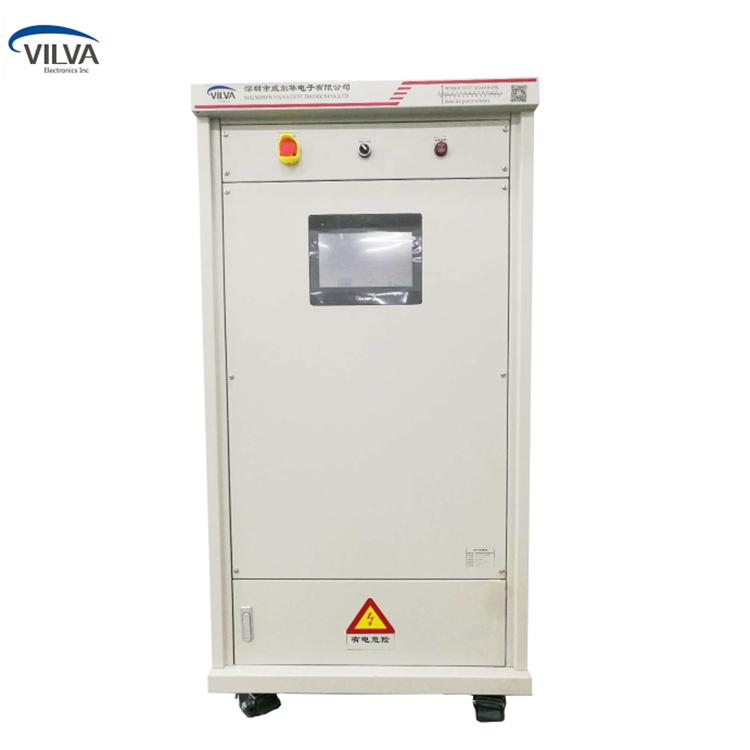
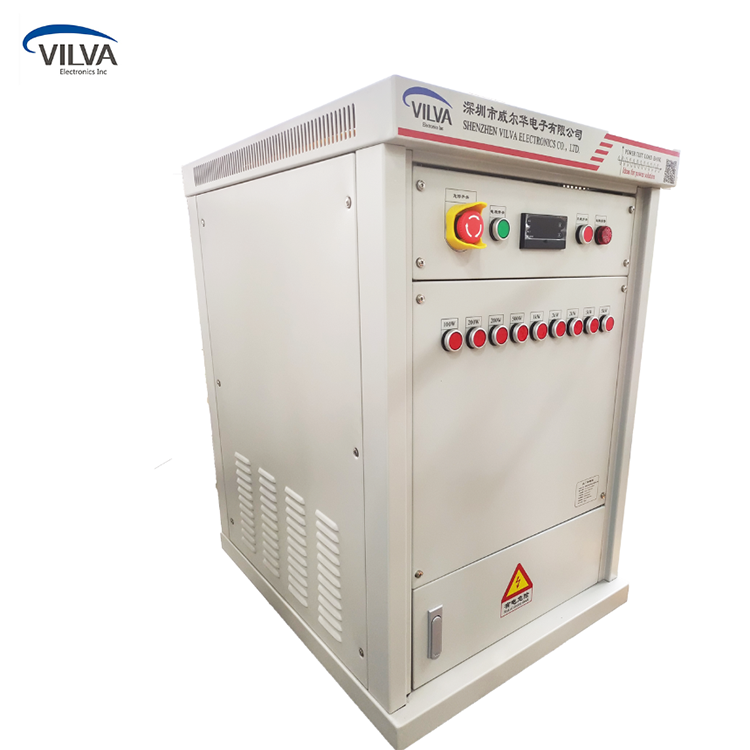
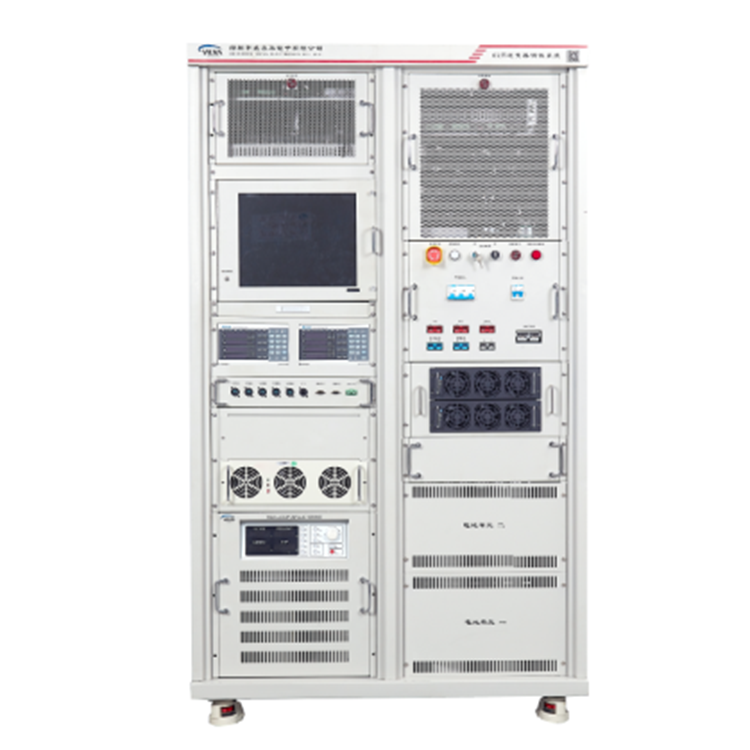
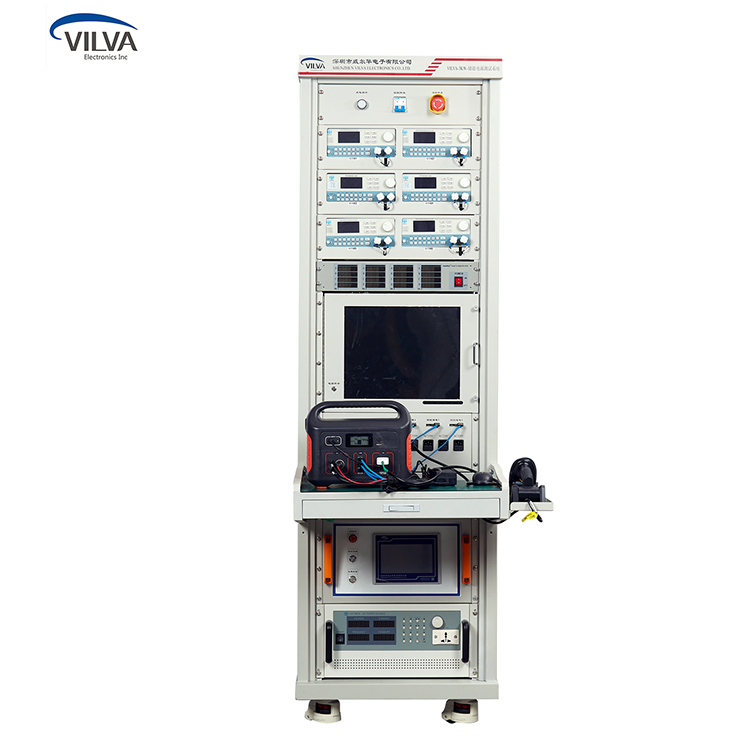
Product Specifications: VILVA-EVT DC Charging Station Test Feedback Aging System
Product Brief: VILVA-EVT DC Charging Station Test Feedback Aging System, featuring national standard interoperability specification testing and communication protocol consistency testing functions. Mainly applied for the full-load detection of DC charging stations, it is an essential aging product for production workshops.
I. Product Overview
The VILVA-EVT DC charging station is equipped with a test feedback aging system, featuring national standard interoperability specification tests and communication protocol consistency tests. Primarily applied for full-load testing of DC charging stations, it is an essential product for aging in production workshops. National standards compliance includes: requirements of test items in "GB/T 34657.1-2017 Electric Vehicle Conductive Charging Interoperability Test Specification, Part 1: Power Supply Equipment"; requirements of test items in "GB/T 34658-2017 Communication Protocol Consistency Test Between Electric Vehicle Non-vehicle Conductive Charging Equipment and Battery Management System"; built-in simulation vehicle BMS software complies with requirements of "GB/T 27930-2015 Communication Protocol Between Electric Vehicle Non-vehicle Conductive Charging Equipment and Battery Management System" as per the GB/T 27930-2011 version; communication protocols meet ISO 15118 and DIN 70121 standards; power transmission meets IEC 61851 standards; vehicle connectors comply with IEC 62196 standards; Japanese standard protocols meet CHAdeMO 1.2 & 2.0 standards; vehicle connectors also comply with IEC 62196 standards.
II. Product Features
Real-time display of message statuses for chargers CHM, CRM, CTS, CML, CRO, CCS, CST, CSD, CEM, etc.
The vehicle-side message content and message cycle can both be set, allowing for simulation of various vehicle message scenarios.
The master station is controlled directly via USB interface, eliminating the hassle of wiring and adapters compared to 485 and 232.
Real-time message output and translation during communication, with real-time saving capabilities. Equivalent to the functionality of a CAN box, it facilitates direct use and fault analysis by various relevant personnel.
Average cycle time, send count, long-term and short-term cycle statistics for various messages. Output of Gantt waveform chart for messages, providing a more intuitive analysis of charging pile failures.
Communication consistency testing for charging stations, with the functionality to output analytical reports.
Battery voltage simulation available, capable of simulating positive, negative, and no connection tests.
Built-in K5, K6 switch state simulation function, multi-position R4 resistance setting, capable of testing critical pull-out status, full pull-out status, resistance adjustment range 295Ω~2550Ω.
Insulation Module: Satisfies requirements for charger insulation and reverse polarity testing, non-connection testing. Test voltage input range: 0~1000V, insulation resistance adjustment range: 22.9kΩ~300kΩ.
Equipped with a 1st-class electricity meter, it displays the charging station's output voltage, current, and power in real-time, calculates the charged energy, and can synchronize the data to the BCS message.
The SOC automatically increments, allowing for the setting of charging duration to activate the automatic aging test function.
Interoperability testing, insulation fault testing, ejection test, battery reverse connection, no connection, and other tests.
Features terminal signal terminals for voltage, current, CC1, auxiliary power, and abnormal synchronization signals, allowing connection to other testing equipment for terminal signal testing and verification.
Internally integrated battery voltage simulator, voltage range 0-1000V, for charging station startup timing test (optional).
Charging桩 outlets: GB standard, European standard, US standard, Japanese standard (optional);
Energy-saving and environmentally friendly: High efficiency operation across the full load range and ultra-low standby power consumption, effectively reducing energy loss, achieving energy conservation and environmental protection.
Energy-saving Feedback: Receive load energy; can be fed back into the grid with a high conversion efficiency of over 90%;
Feedback Load Function Settings: Current, power, and time are editable; step, fade, hold, and loop settings available.
Cooling Method: Forced Air Cooling.
Optional Measuring Verification Function: Various communication methods such as LAN, RS232, WIFI, built-in WIFI hotspot, and remote wireless terminal. 0.05 grade verification test items: working error, indication error, payment amount error, and clock indication error, capable of completing the 0.05 grade metrological verification test function of JJG 1149-2018.
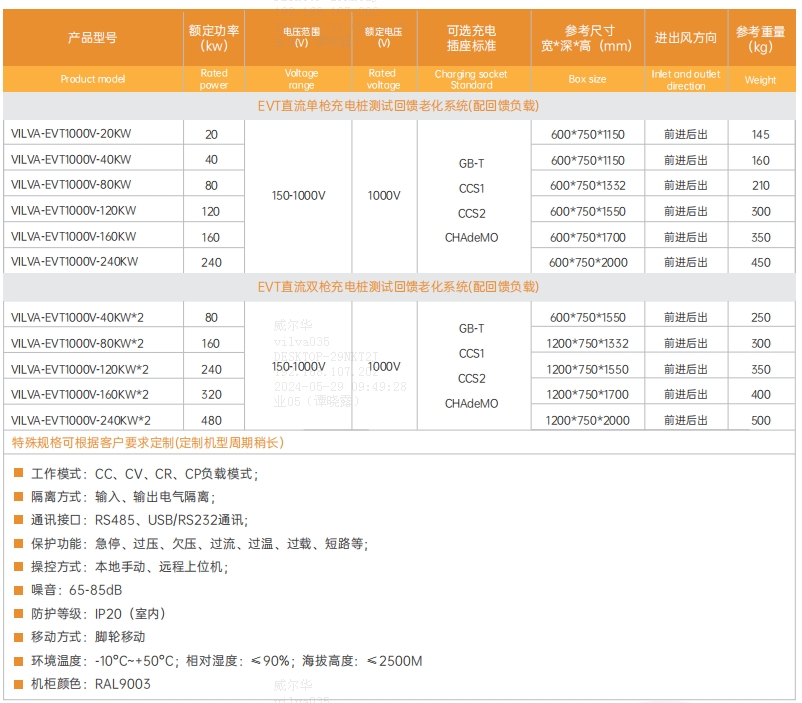
Section 3: Product Specifications
询价单


