

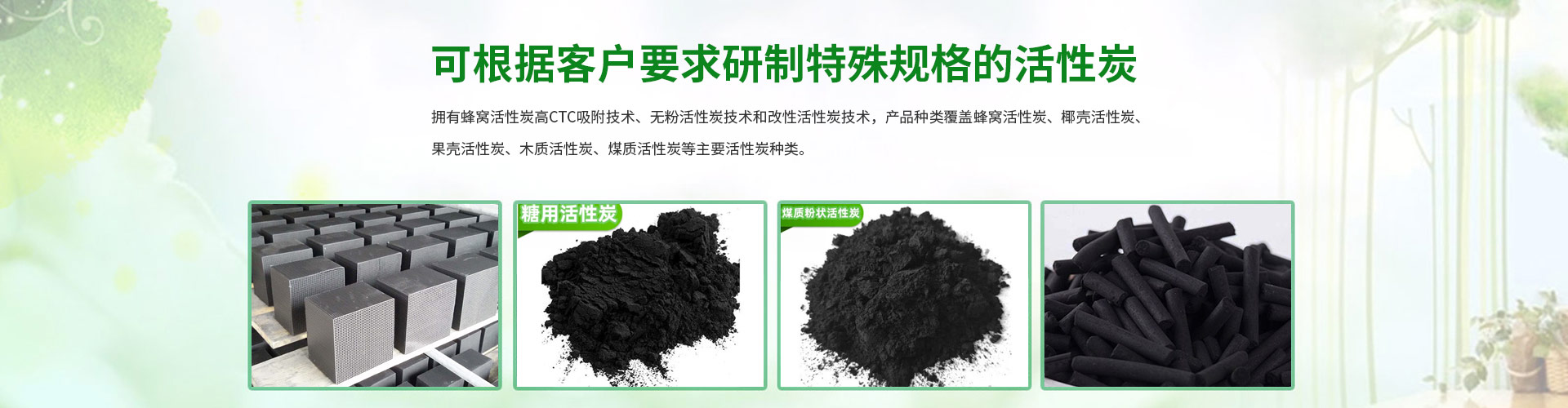

As demand for water purification activated carbon has emerged in the market, it's essential to select it based on factors such as density, weight, and size. To deepen your understanding of water purification activated carbon, we will now provide a detailed introduction on how to choose it and what precautions to take when using it.
How to Choose Water Purification Activated Carbon
1. Observe density
The more pores activated carbon has, the higher its adsorption capacity is, making it more crumbly and the relative density lower.
2. By weight
High-quality activated carbon, especially coconut shell activated carbon, is significantly lighter than other types of activated carbon. At the same weight, coconut shell activated carbon has a much larger volume than other activated carbon.
3. Check the size
The smaller the activated carbon particles, the larger the surface area they contact with air, resulting in a higher specific surface area and better adsorption properties. However, 0.5mm activated carbon is generally considered standard.
Cautionary Notes for Using Activated Carbon in Water Purification
Rinse off the dust before use.
When using activated carbon for water purification, first rinse off the dust as it can affect water quality. Avoid using fresh water for rinsing since it contains chlorine and other substances that the activated carbon can absorb, rendering it ineffective. Instead, use water that has been left to sit for a while to clean the carbon.
2. Timely replacement of water purification activated carbon
Timely replacement of water purification activated carbon is essential. Once the activated carbon becomes saturated and no longer adsorbs harmful substances, it's important not to wait until it has become ineffective before replacing it. Hence, timely replacement is crucial.
