
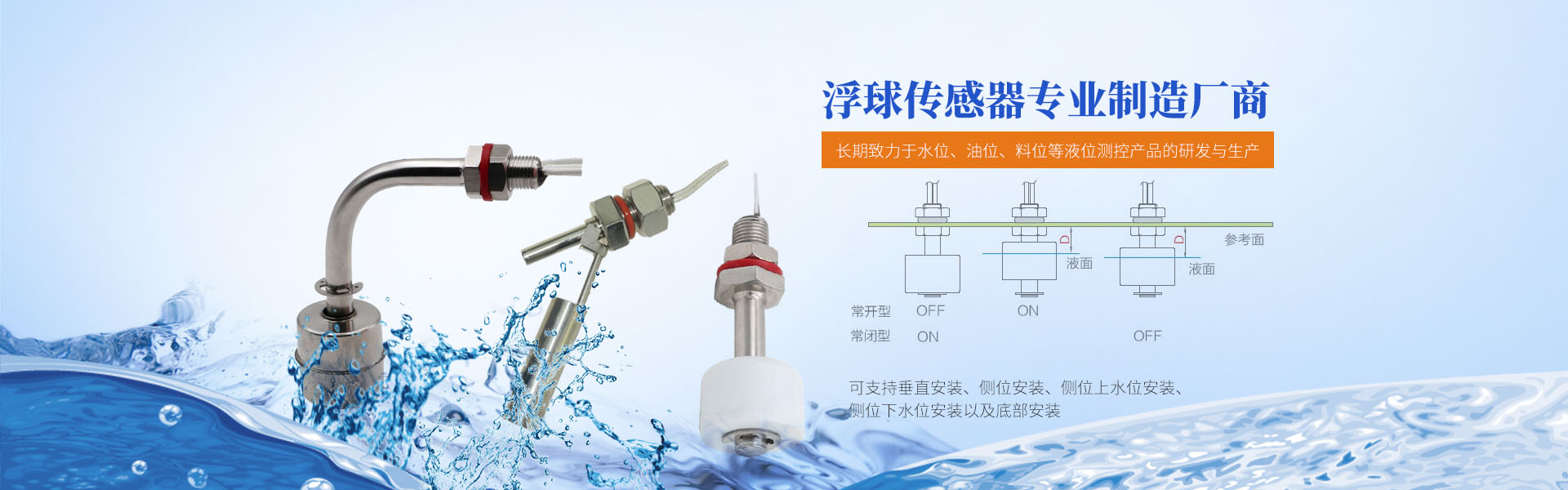
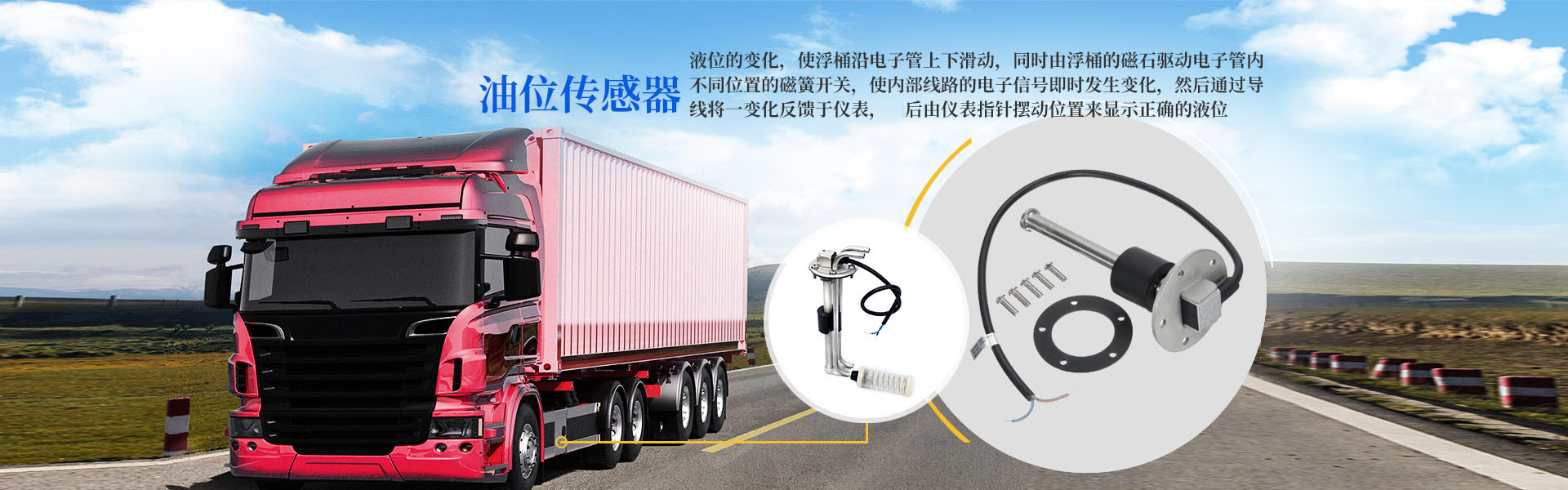



The float switch is a simple and convenient liquid level control device that requires no power supply and has no complex circuitry. It boasts advantages such as a smaller size than most mechanical switches and a longer service life.
Ball Float Switch Selection Guide: Please select the appropriate ball float from the various specifications listed in the table, based on the tested object's characteristics such as operating temperature, pressure, specific gravity, and resistance to acids and alkalis.
Temperature: PVDF withstands temperatures up to 120°C, PP up to 80°C, and SUS304/316 up to 200°C.
2. Pressure: Plastic float ball withstands 5 kg/cm² pressure, while SUS float ball withstands 30 kg/cm² pressure.
3. Adhesion: Use larger, lighter floats to overcome the surface tension of the liquid.
4. Chemical Resistance: Plastic materials are suitable for acidic and alkaline environments; choose PVDF if temperature considerations are involved.
5. Oil Refiner: Use metal materials.
6. Specific Gravity: The float's specific gravity (SG) must be less than the liquid being tested; otherwise, the float will not float.
Voltage: 220VAC/200VDC, Current: 0.7A.
