
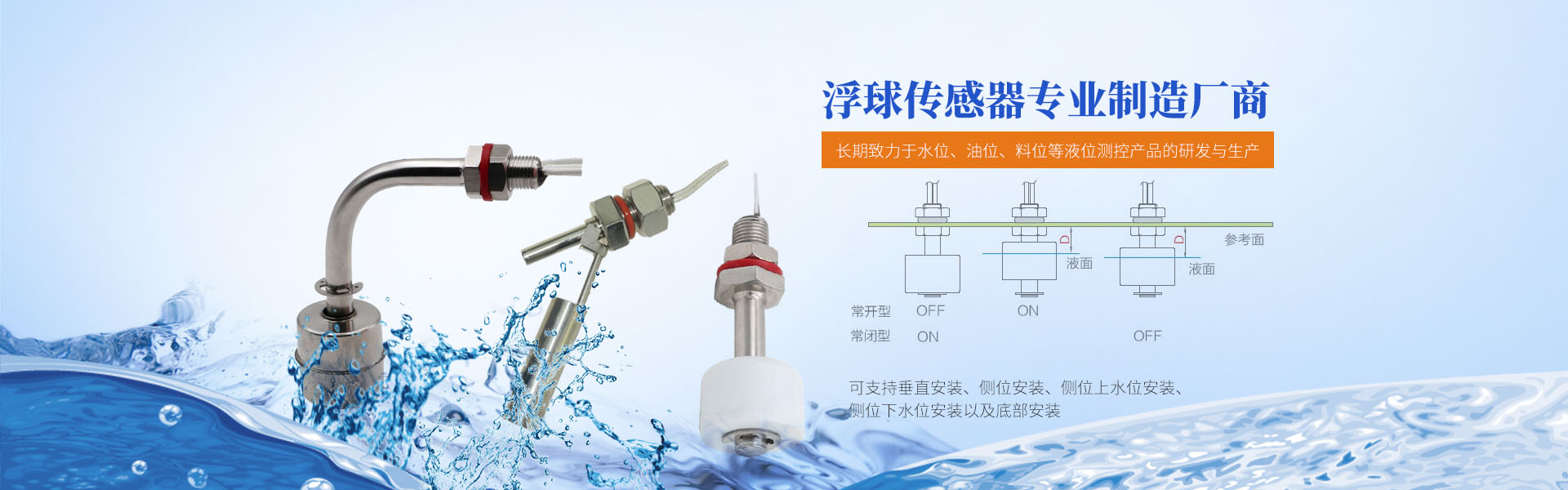
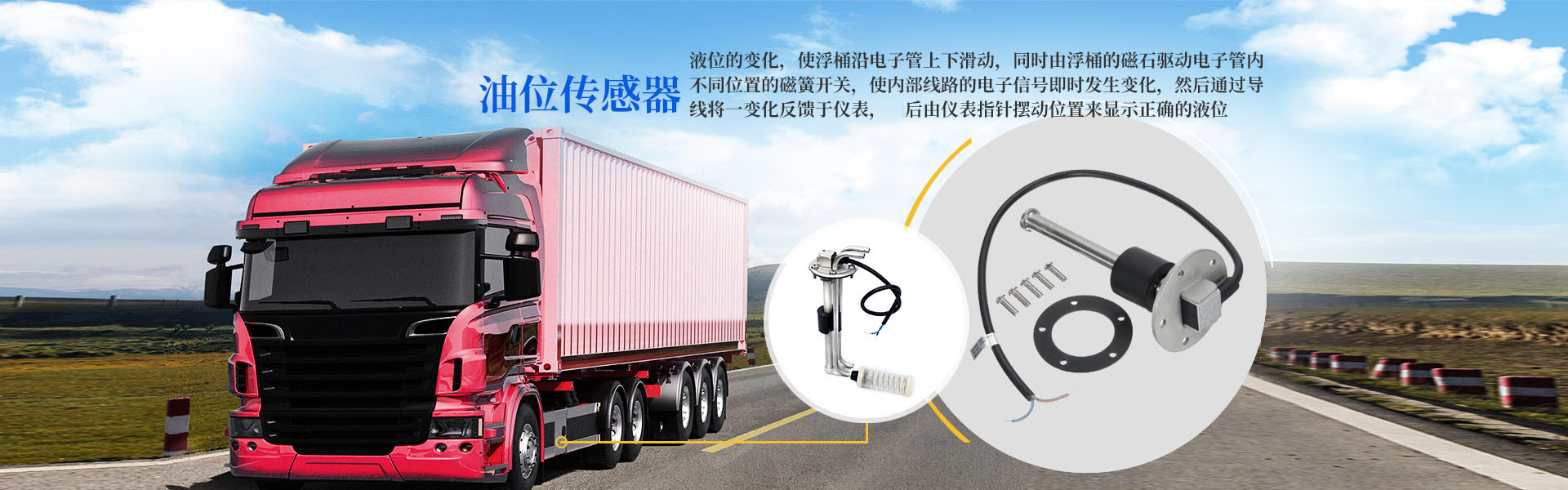



Fuel consumption sensors are devices that utilize the principle of magnetic control over reed switches to convert measured changes into output signals, thereby linearly measuring the height of the fuel (water) level. There are two installation methods for fuel consumption sensors, as follows:
Reconnect the original vehicle's fuel gauge wire
First, you need to know the original fuel tank capacity of the vehicle; (the more accurate the test, the more accurate the fuel consumption will be.)
2. Test at least 5 data sets.
A. The voltage reading on the fuel gauge when the tank is full. (The more accurate the test, the more accurate the fuel consumption.)
At three-quarters of the fuel gauge line, the voltage value (if it's a 60L tank, 75x60=45L)
At half, the oil gauge's voltage reading
D. At the one-quarter mark, the oil gauge's voltage reading
E. Oil Gauge Voltage During Empty Container
The corresponding data will be written into the platform. When the vehicle starts normally, you will see the normal fuel consumption curve.
Principle: Using voltage to test fuel consumption, this measurement method connected to the original vehicle's fuel gauge line will fluctuate up and down with the jostling of the fuel tank.
Two: Drilled a hole in the fuel tank and optionally installed a fuel consumption sensor.
This additional fuel consumption sensor is more accurate than the original one, with accuracy varying depending on the precision of the fuel consumption sensor. These sensors are relatively cost-effective, with prices differing based on their precision.
The fuel consumption sensor's accuracy is exceptionally precise.
The principle: The fuel rod features two intake holes and one exhaust hole. During bumpy fluctuations, the oil level inside the rod changes minimally, resulting in a very high precision in fuel consumption testing, accurate to within 1-2L. The manufacturing cost is significantly higher than that of the standard version.
