
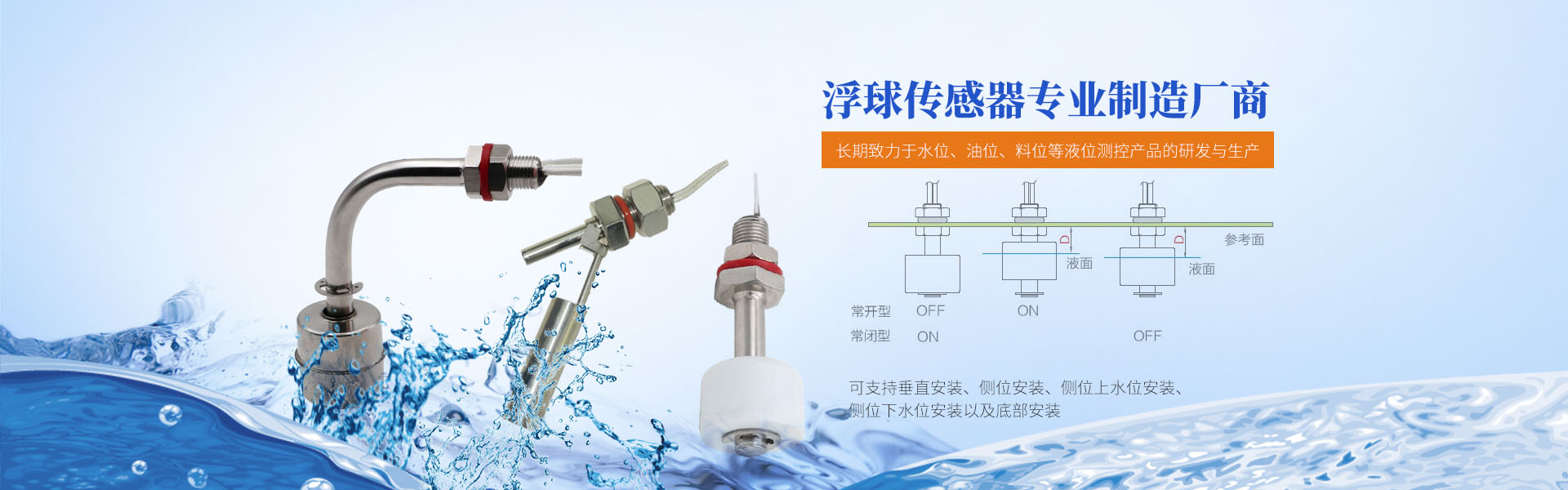
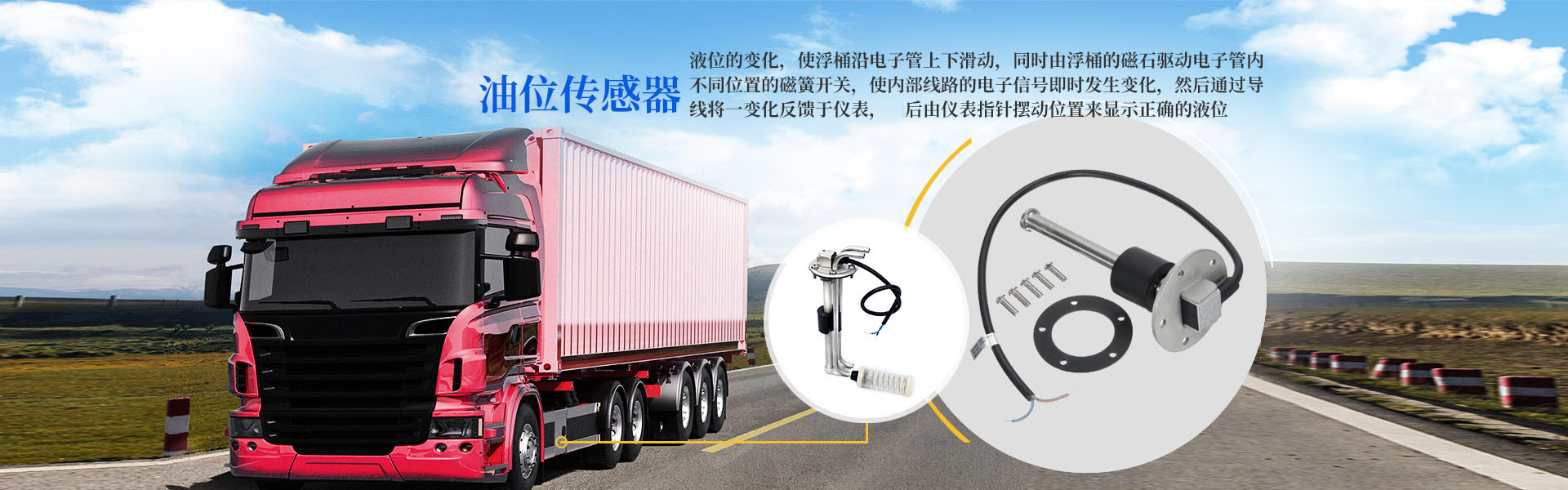



The float level switch operates on the same principle as the linkage-type float ball switch and can also be referred to as a miniature float ball level switch. As the name suggests, its main components consist of a magnetic float, a plastic or stainless steel rod, and an integrated imported reed switch.
The vacuum structure is suitable for various level detection operations.
2. Switches without direct contact with liquids, no wear and tear.
3. Passive contact points require no power supply, and offer universal signal processing with no voltage contact, such as PLCs.
4. Unrelated to factors such as foam, conductivity, dielectric constant, pressure, vacuum, temperature, steam, condensate, bubbles, boiling effects, and vibration.
5. Multiple switch points (from 1 to 8) can be set within a single device for multi-point control, with each control point's location customizable to meet customer needs.
All switch outlets are concentrated in the junction box (or directly routed), with IP65+ protection rating, easy installation, and reduced wiring costs.
7. Easy installation and operation; one-time calibration of switches before use; no maintenance required.
8. Overall performance is reliable. Materials such as SUS304, SUS316L, PP, and PVDF are available for selection.
9. SUS304/316 stainless steel rods, nuts, SUS304/316 stainless steel float balls, operating temperature -10°C to +125°C, high-temperature resistance up to 180°C, pressure resistance of 2.0 MPa, compatible with solenoid valves, water pumps, and can serve as water shortage protection and overflow alarm, suitable for use with strong acids and alkalis.
11. Made of PP material, with a temperature resistance of 80 degrees Celsius and operating temperatures below 60 degrees, it can withstand a pressure of 10 kg. It is capable of controlling solenoid valves, water pumps, or serve as a water shortage protection and overflow alarm system. However, the length of the rod-type float switch made of PP material is suitable for less than 1 meter.
PVDF material, resistant to strong acids and alkalis, with a temperature tolerance up to 100 degrees.
