

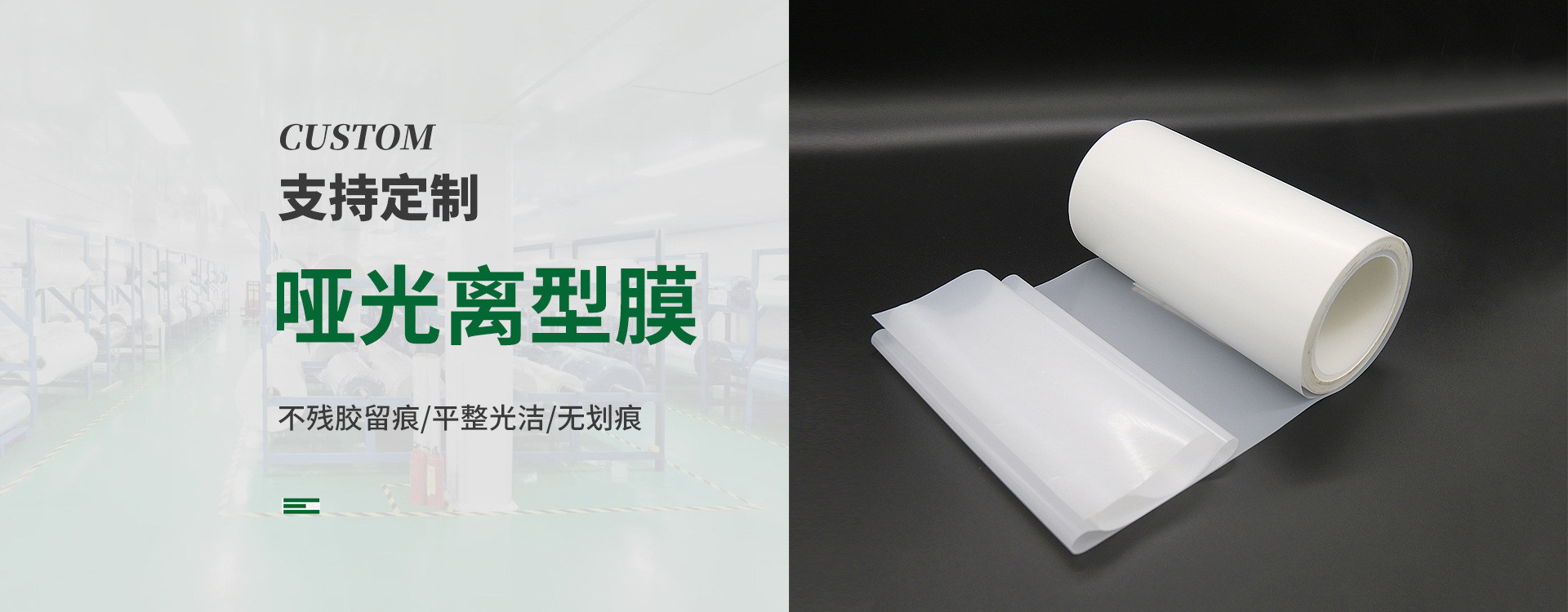


Protective films can be categorized by their applications, including those for digital products, automotive, household, and food preservation. With the widespread use of digital products like smartphones in China, protective films have gradually become a generic term for screen protectors, and their functions in this domain are diverse. Changes in protective films under high temperatures may include:
Gas Expansion: High temperatures can cause gases within the membrane material to expand, leading to the formation of bubbles. When the membrane material is heated, the gases inside it will expand due to the increased temperature. If the membrane material lacks sufficient heat resistance, the pressure from the gas expansion will exceed the material's bearing capacity, resulting in bubble formation.
Unbalanced thermal stress causes deformation in film materials: Under high-temperature conditions, film materials can deform due to thermal expansion and contraction. When film materials are subjected to uneven thermal stress, it can lead to localized deformation, resulting in bubbles forming on the surface.
Defects within Film Materials: During the manufacturing process, film materials may have minor defects, such as pores, cavities, or uneven thicknesses. Under high-temperature conditions, these defects act as nurseries for bubble formation. Upon heating, gases seep into these defects, creating bubbles.
