


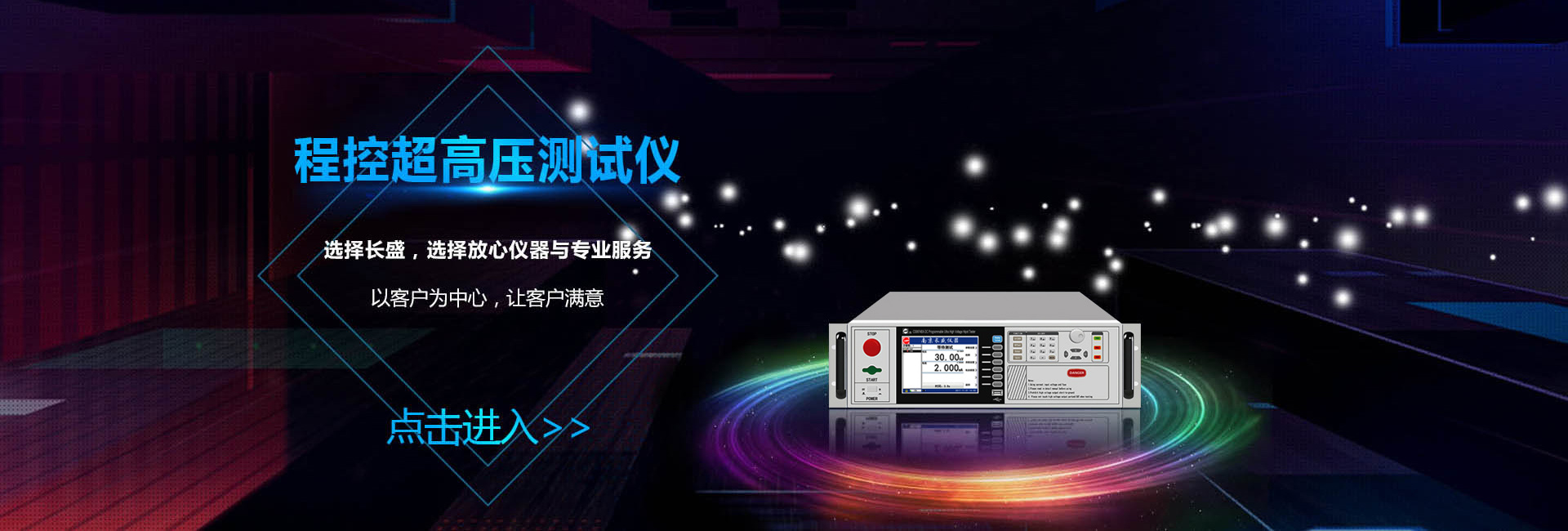


The Safety Compliance Tester performs safety analysis and testing on electrical and electronic products, determining the presence of potential safety hazards during use. Specifically, the Safety Compliance Tester can assess the safety performance of the following electrical and electronic products:
Insulation Testing: To determine if the product can withstand the rated voltage and to detect any potential leakage.
2. Grounding Test: Measures whether the product's housing is properly grounded to prevent electric shock during use.
3. High-Temperature Testing: Evaluate the product's heat resistance in high-temperature environments to determine if electrical failures may occur under such conditions.
4. Pressure Resistance Test: Conducts high-temperature and high-pressure tests at 90°C to evaluate the product's pressure resistance performance.
5. Mechanical Tensile Testing: Assessing the product's ability to withstand mechanical stresses and compressive forces encountered during normal use.
Electrical and electronic products are widely used across various industries, including home appliances, communication equipment, computer peripherals, and industrial control devices. As the demand for product safety performance continues to rise, safety regulations testing instruments have also gained extensive application in these industries. The following are the main application scenarios of safety regulations testing instruments at present:
Electrical Appliances: Manufacturers of electrical appliances such as TVs, refrigerators, washing machines, and air conditioners are required to test the safety performance of their products with safety compliance testers to ensure compliance with relevant regulations and standards.
2. Communication Equipment: Mobile phones, routers, network switches, and other communication equipment must undergo safety and regulatory testing to ensure they do not pose harm to individuals during use.
3. Computer and Peripherals: Motherboards, monitors, power supplies, mice, and other computer peripherals must also undergo safety compliance testing to ensure there are no potential safety hazards during use.
4. Industrial Control Equipment: Industrial control equipment must operate under harsh conditions, thus its safety performance must undergo rigorous testing to ensure it does not pose harm to workers during use.
