
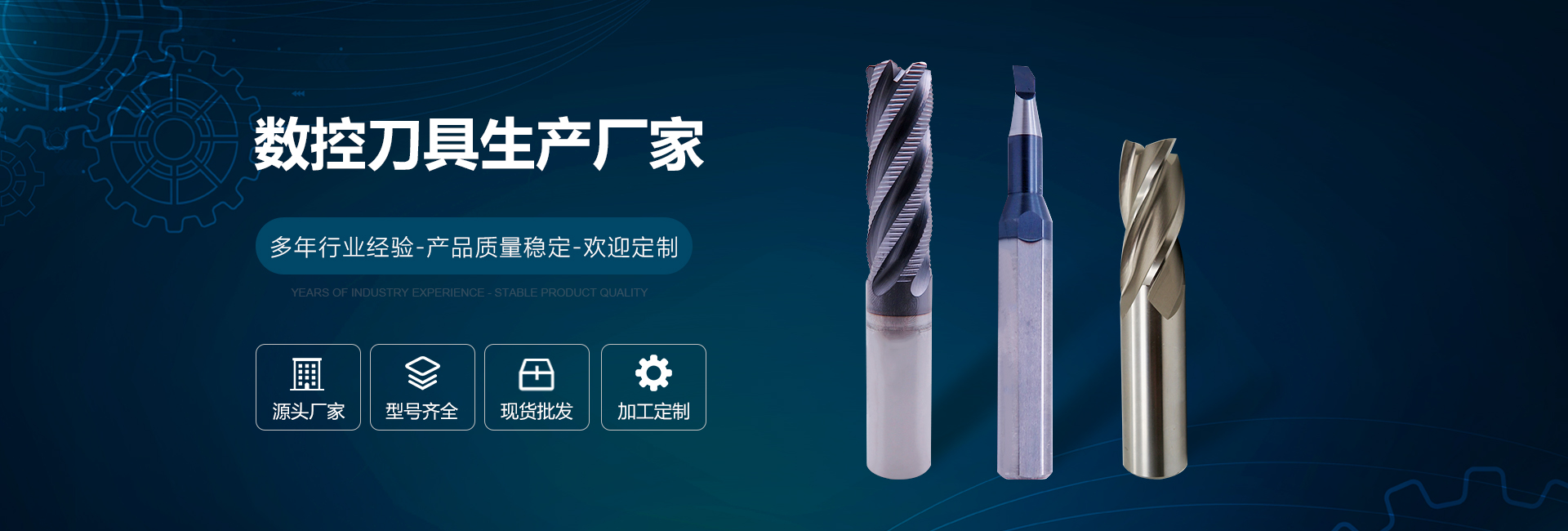
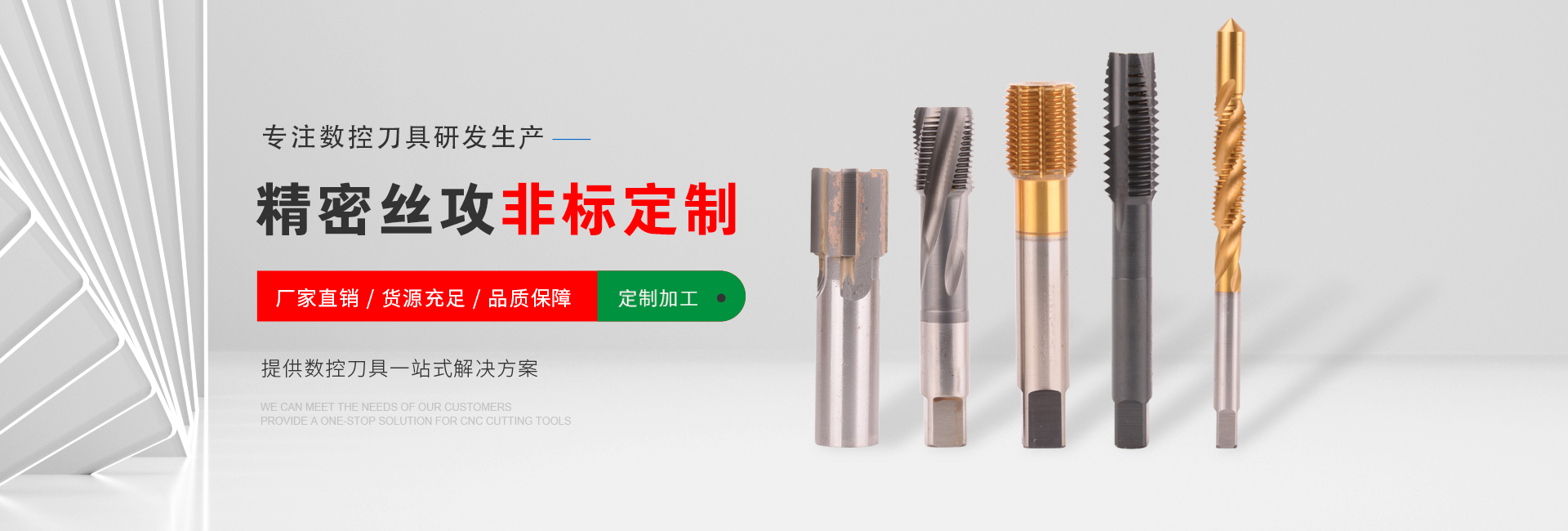
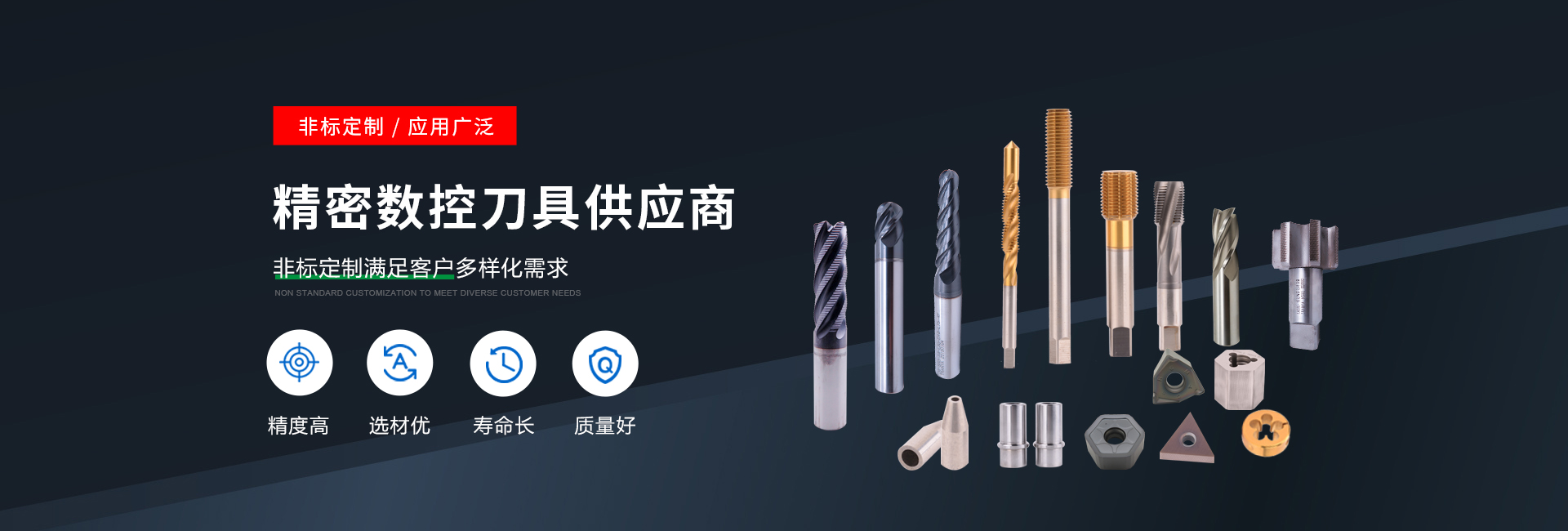

Hardmetal铣cutters are milling cutters made from hardmetal materials. To understand hardmetal milling cutters, one must first know what hardmetal is. Hardmetal is a sintered metal product composed primarily of micrometer-sized powders of refractory metal carbides (WC, TiC), with cobalt (Co) or nickel (Ni), and molybdenum (Mo) as binder, sintered in a vacuum or reducing furnace.
Hardened alloy milling cutters are generally used in CNC machining centers and CNC engraving machines. They can also be mounted on standard milling machines to process some harder, less complex heat-treated materials.
Hardened Alloy Circular Milling Cutters: Used for planar machining on horizontal milling machines. The teeth are distributed around the circumference of the cutter, divided into straight teeth and spiral teeth. They are further categorized by number of teeth into coarse teeth and fine teeth. Spiral coarse teeth cutters have fewer teeth, higher tooth strength, larger chip space, suitable for rough machining; fine teeth cutters are used for finish machining.
2. Hardened Alloy Face Milling Cutters: Designed for use on vertical, face, or gantry milling machines to machine flat surfaces, featuring teeth on both ends and around the circumference. They come in coarse and fine tooth variations. The structure is available in three types: solid, insert, and indexable.
3. Carbide Face Milling Cutters: Used for machining grooves and step surfaces, the teeth are located on the circumference and end faces, and cannot feed axially during operation. Axial feeding is possible when there is a center-end tooth passing through the cutter.
4. Hard Metal Tri-Sided Milling Cutters: Designed for machining various grooves and stepped surfaces, featuring teeth on both sides and around the circumference.
5. Carbide Angle Milling Cutters: Designed for cutting slots at specific angles, available in single and double angle options.
6. Hardened Alloy Saws: Designed for deep groove and cutting operations, these saws feature a high number of teeth along their circumference. To minimize friction during milling, the teeth have a side offset angle of 15′ to 1°. Additionally, we offer keyway milling cutters, dovetail slot cutters, T-slot cutters, and various shaped milling cutters.
