
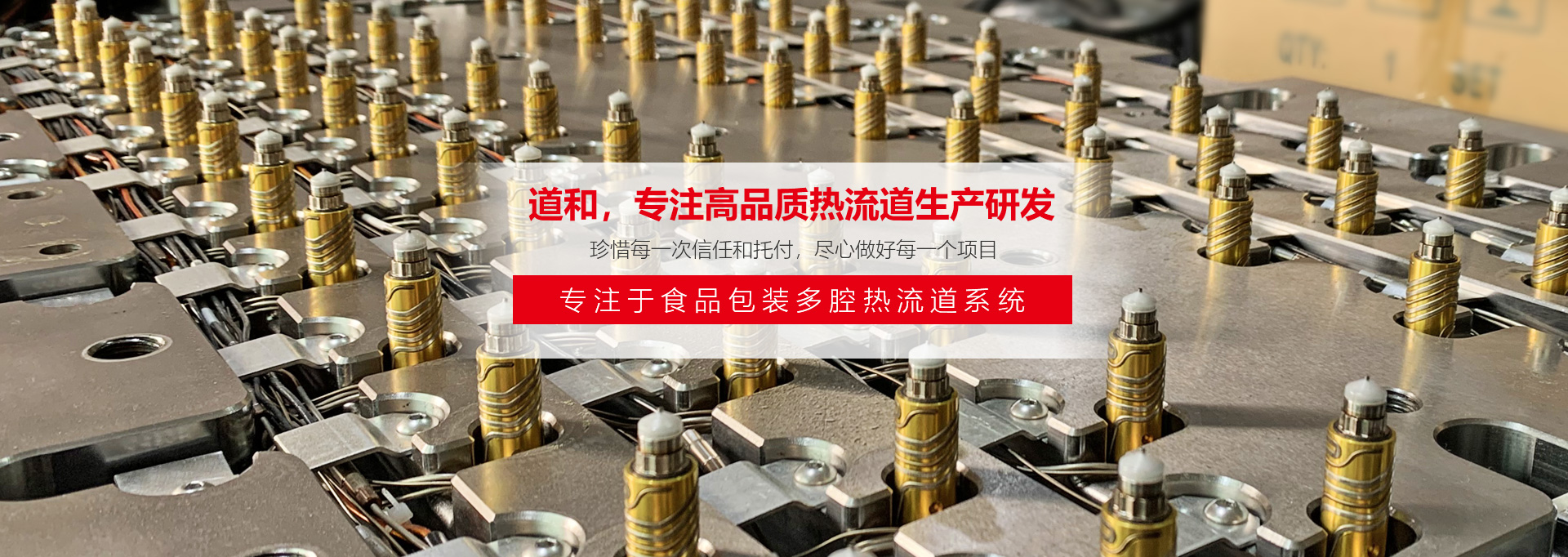
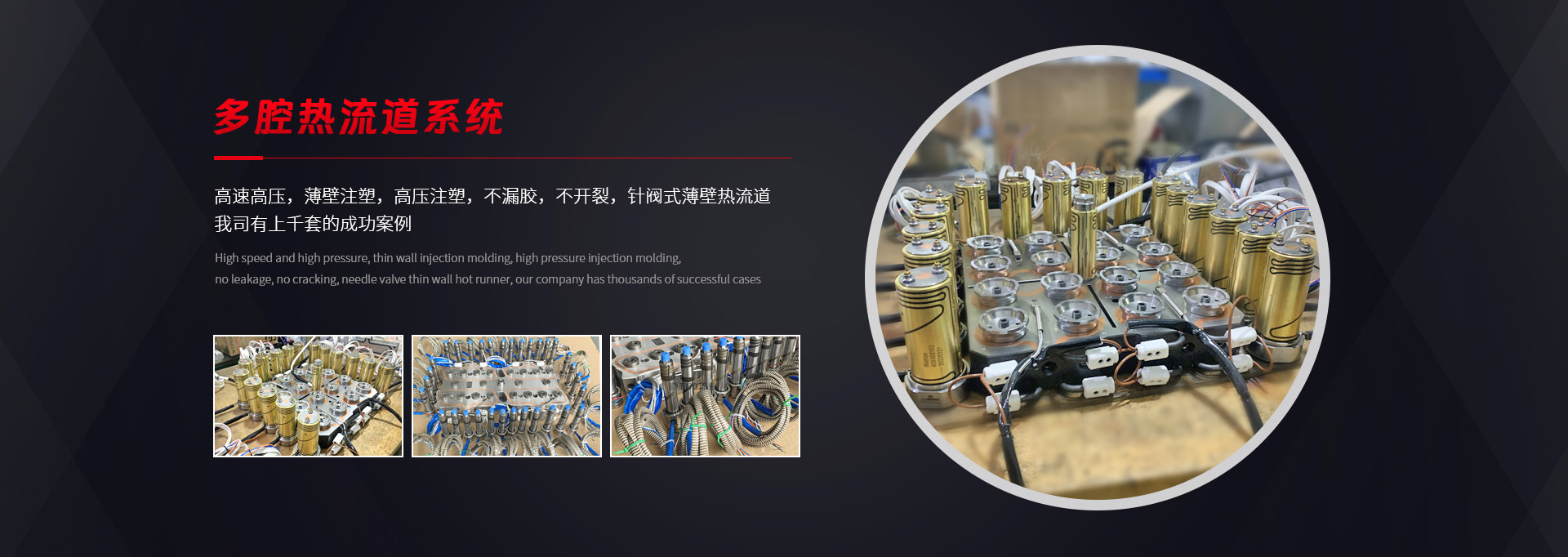
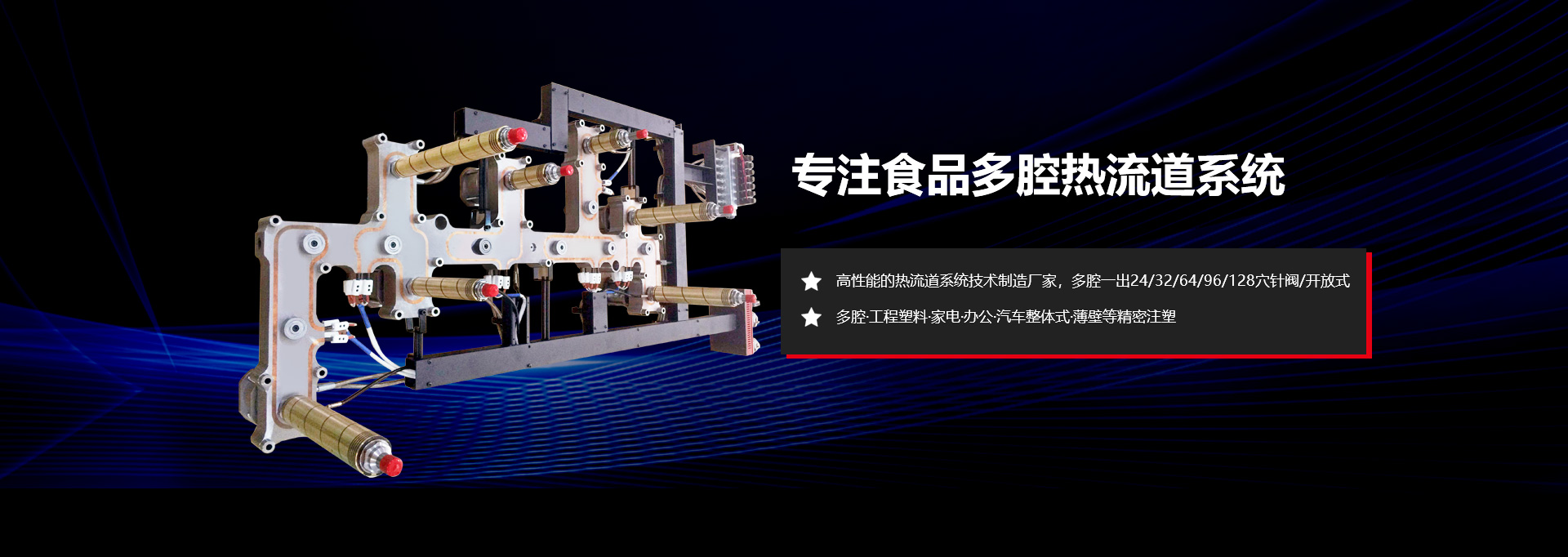
Hot runners are designed to ensure that the plastic in the runners and gates remains in a molten state through heating. A hot runner system typically consists of hot nozzles, distributors, temperature control boxes, and accessories.
There are generally two types of hot nozzles: open hot nozzles and needle valve hot nozzles. Since the type of hot runner nozzle directly determines the selection of the hot runner system and mold manufacturing, the hot runner system is often accordingly divided into open hot runner systems and needle valve hot runner systems.
Custom hot runner systems are increasingly popular in the plastic mold industry, especially for large automotive products. What details should be considered when installing hot runner systems into molds?
Molds equipped with hot runner systems must be designed with insulating panels that are stacked vertically.
The locating ring must be securely fastened to the main nozzle.
The junction box is installed on the top surface of the mold for easy wiring, and the wiring should not be exposed on the mold surface. Additional fixing blocks can be added if necessary.
4. Export slots must be inverted at right angles to prevent scratch line leakage.
The ground side must have a drainage channel to prevent leakage and expansion of the adhesive, and several more screws should be added to secure the panel and the hot runner plate.
6. Added a hot nozzle pad to prevent the top panel from sinking when the injection pressure is too high. The hot nozzle pad (Magenta) requires a hardening material.
7. Water supply must be designed near the hot nozzle.