
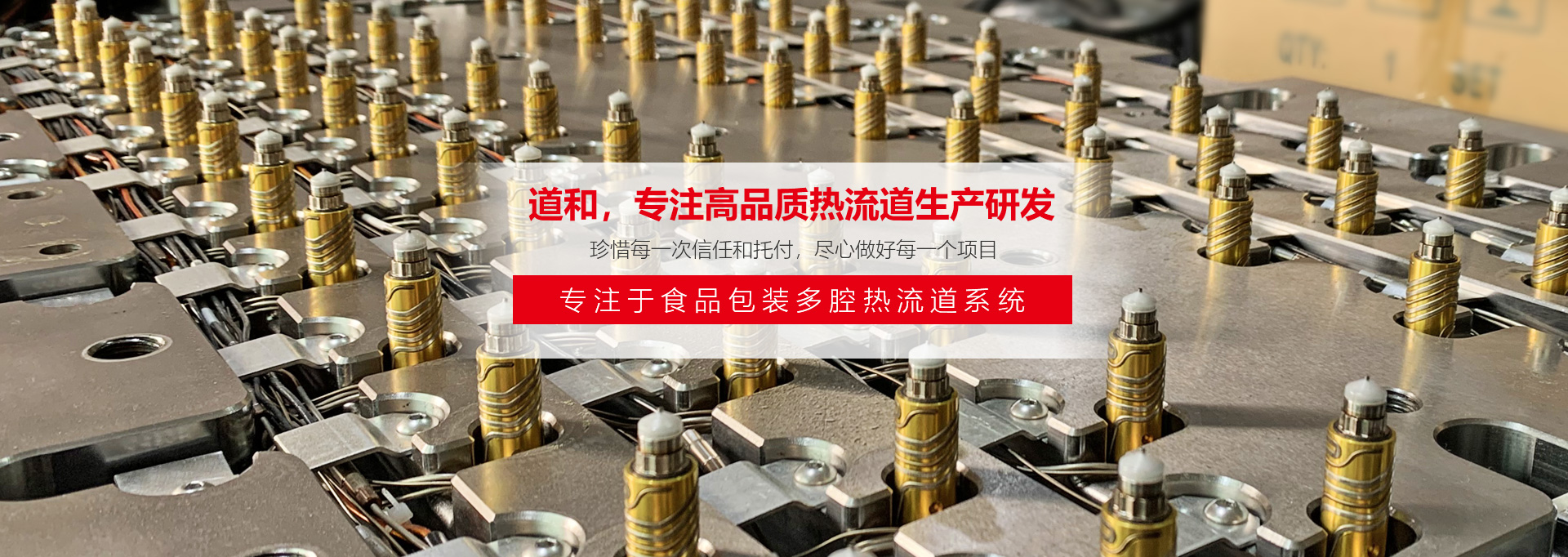
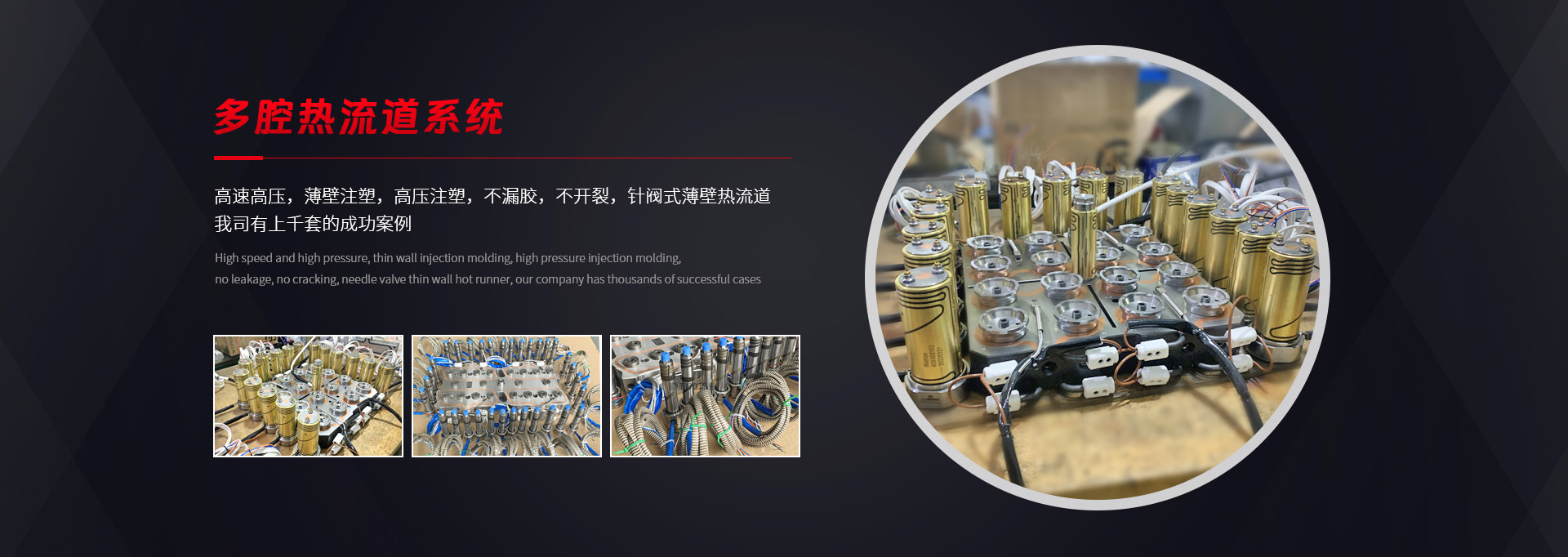
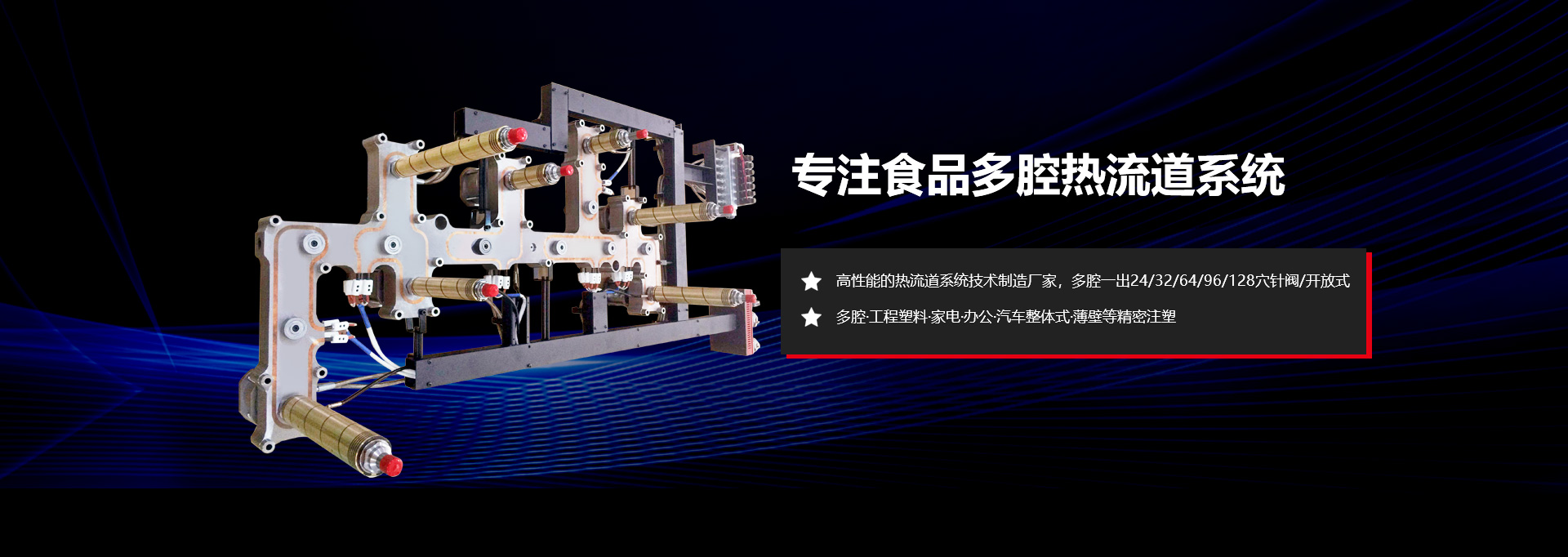
Diverting plates are components used to direct melted materials, transferring molten plastic from injection molding machines to the mold cavity. Their role is to transport the molten material to the nozzle while, under friction, shearing forces, and heat, maintaining the state of the molten flow as much as possible.
Most suppliers fabricate分流 plates by drilling holes in pre-profiled steel plates, then install heaters on the surface or within the steel plate. In most applications, the分流 plates are designed with several heating zones, each controlled individually by a thermostat.
There are numerous types of分流boards, including X, H, I, Y, K, and others. Different product types can be chosen based on the various heating methods of hot runners.
There are two heating methods for hot runner manifold plates: one is internal heating, where heating rods are placed inside the manifold to heat the plastic from within; the other is external heating, typically involving the creation of heating holes parallel to the manifold, with heating rods inserted to heat the manifold externally.
Both heating methods offer their own advantages, with the internal heating method boasting higher thermal efficiency. However, its drawbacks are evident, as it tends to cause localized overheating within the hot runner system and increases the melt flow resistance. The external heating method has lower efficiency but is easier to machine the channels, readily available heating equipment, and convenient maintenance, although it is less efficient in heating.
To achieve optimal results, the design process of the manifold should include a detailed analysis of the injection molding product applications, such as product quality, material types, and process expectations. The manifold design can affect the quality and functionality of the injection molded products.
In substandard runner design, where the flow length of the melt varies among different gates on the runner, it can lead to imbalances between mold cavities, resulting in uneven product dimensions. If not addressed properly, the heat and shearing processes within the runner can cause polymer degradation, leading to performance defects and discoloration in the products.