
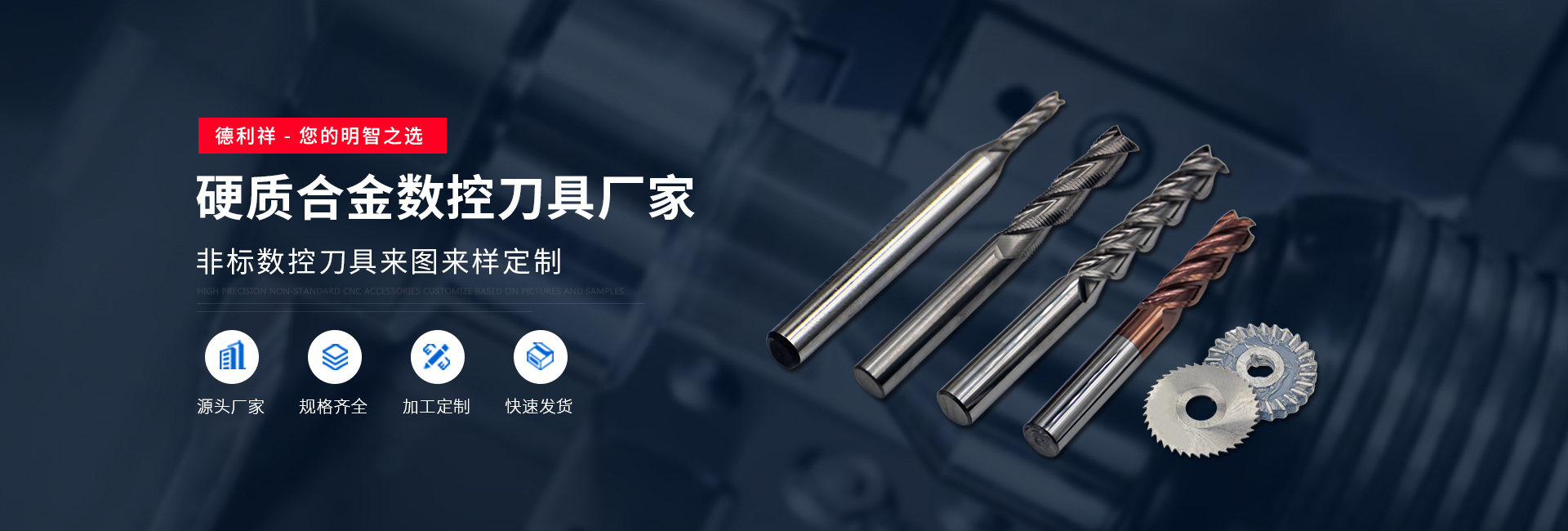
Reamers typically consist of three parts: the shank, the cutting head, and the blade edge. The cutting head features cutting edges, triangular edges, and guide edges, among others.
Key features of the spline cutter include:
1. Reduced Cutting Resistance: The合理designed cutting angles and blade structures of the boring tool enable it to minimize cutting resistance during processing, thereby reducing phenomena such as heating, wear, and deformation, and enhancing both processing efficiency and accuracy.
2. Enhanced Cutting Efficiency: The optimized twist drill structure allows for improved cutting efficiency during hole cutting, reducing processing time and energy consumption, and increasing production capacity and efficiency.
3. Enhanced Hole Surface Finish: The cutting edge and vibration-damping design of the tap reduce tremors and vibrations during cutting, offering strong progressive cutting capability. This results in high surface finish and precise dimensions for the machined holes.
Enhanced Wear Resistance: The ratchet is manufactured using high-hardness, high-toughness materials, and coated with hard alloy wear-resistant materials on the surface, providing the ratchet with excellent wear resistance and extending its service life.
Reamers are suitable for processing holes in various materials such as aluminum alloy, copper, iron, titanium alloy, stainless steel, as well as rubber and plastic, and are widely used in industries such as aviation, automotive, mold-making, and electronics.
Reamers can produce high-quality holes due to their design and features, which include efficient cutting and improved wear resistance. They are suitable for machining holes in various materials, resulting in smooth hole surfaces and precise dimensions. The application range of reamers is extensive, providing efficient and high-quality machining services for production across various industries.