
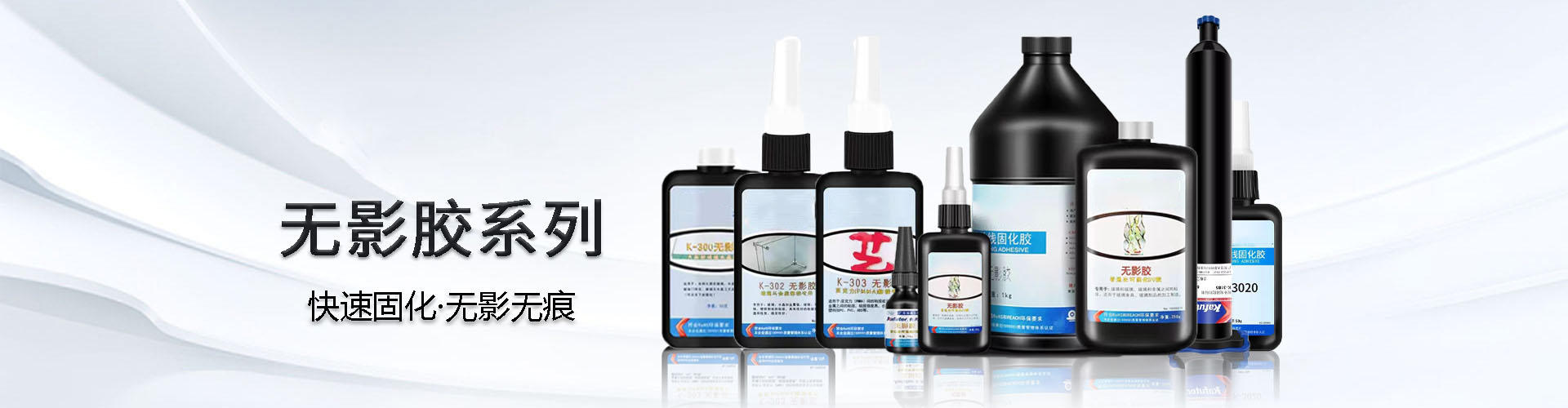
Variety of Silicon Sealants:
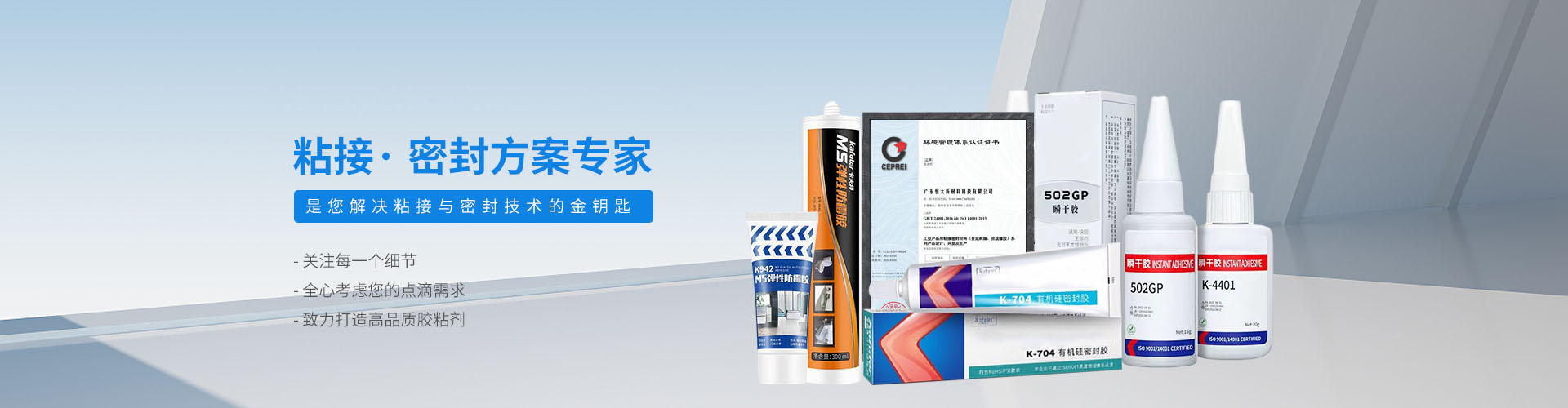
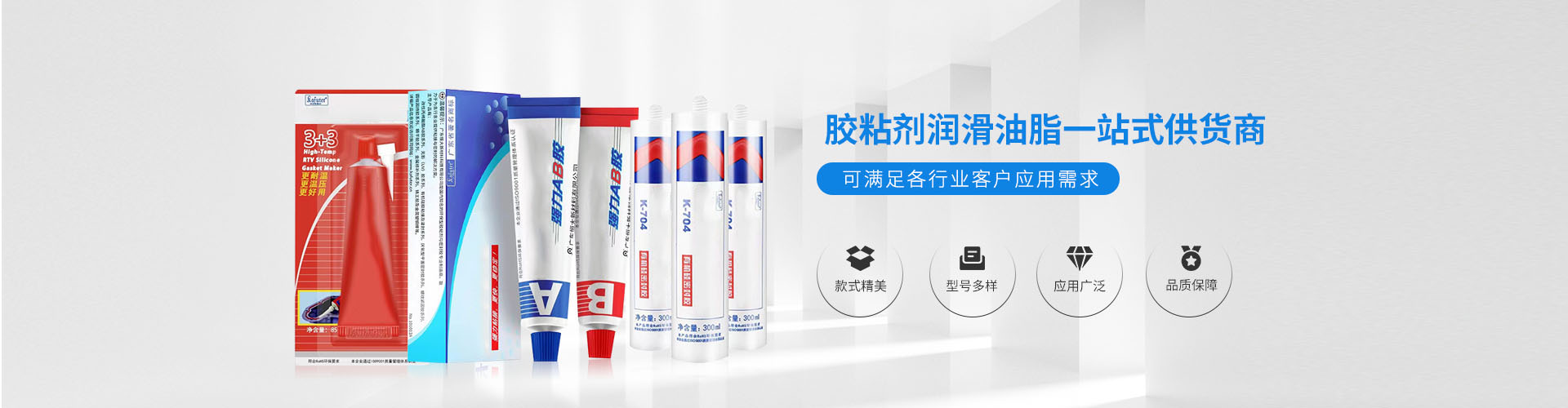
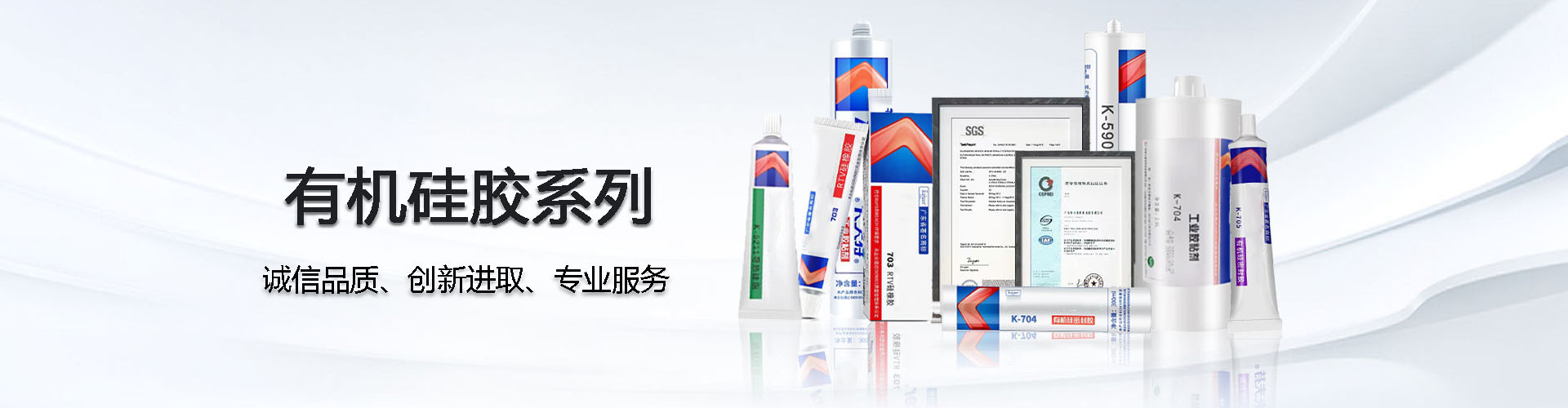
Neutral weatherproof sealant, acidic glass adhesive, silicate neutral structural adhesive, aluminum-plastic panel adhesive, silicone stone adhesive, neutral anti-mold adhesive, insulating glass adhesive, aquarium adhesive, large glass structural adhesive, bathroom anti-mold adhesive, acidic structural adhesive, etc.
Glass Glue Application Process:
Remove moisture, grease, dust, and other contaminants from the seam surfaces. Wipe all residues clean with a clean cloth to ensure thorough cleaning and drying. For plastic, pre-wash all surfaces with acetone before using sandpaper to sand rubber surfaces, followed by wiping with acetone. Always follow the safety precautions when using acetone.
2: Cut the nozzle, install the pointed tube, and cut at a 45-degree angle according to the joint size. Attach the sealant gun and compress the rubber along the gap at a 45-degree angle to ensure a tight contact between the rubber and the substrate surface. When the seam width exceeds 15mm, apply the sealant multiple times, spreading it evenly on the prepared object's surface. If bonding two surfaces together, place one side in position first, then apply sufficient pressure to the other side to expel air, but be careful not to squeeze out the silicone sealant.
After applying the sealant, wipe off any excess before it cures with a cloth or paper towel. Once cured, scrape it away with a scraper or clean with a solvent, then peel off the tape. Wet cloths can remove any stains if possible.
After removing stains, place the bonded device at room temperature to allow the silicone to cure.
Safety Precautions for Glass Glue
Use mold-resistant sealant. Silicone sealant is used in bathrooms, which are inherently moist and prone to mold, so it's crucial to use mold-resistant sealant.
Acidic glass glue emits irritant gases during the curing process, which can be刺激性 to the eyes and respiratory system. It is recommended to use this product in a well-ventilated area.