


Sanitary pipe fittings are designed with thin-walled construction, weighing only one-third of galvanized pipes, significantly reducing material usage and product weight, making them particularly suitable for high-rise buildings. Let's explore the connection and molding methods of these sanitary pipe fittings.
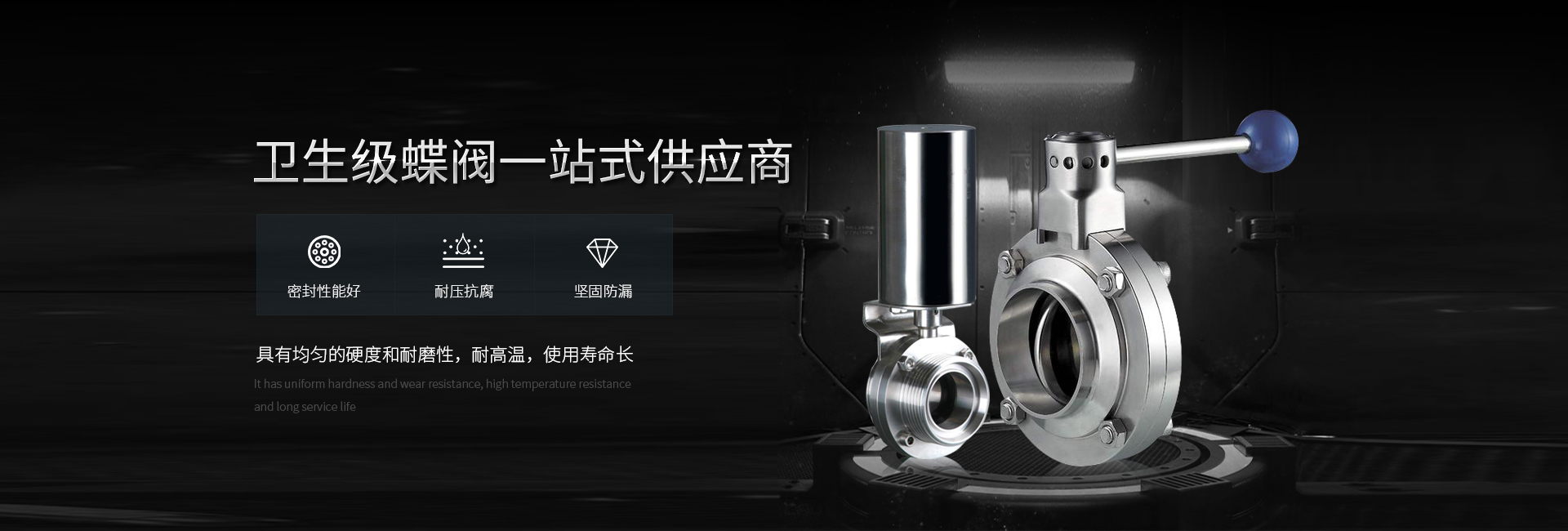
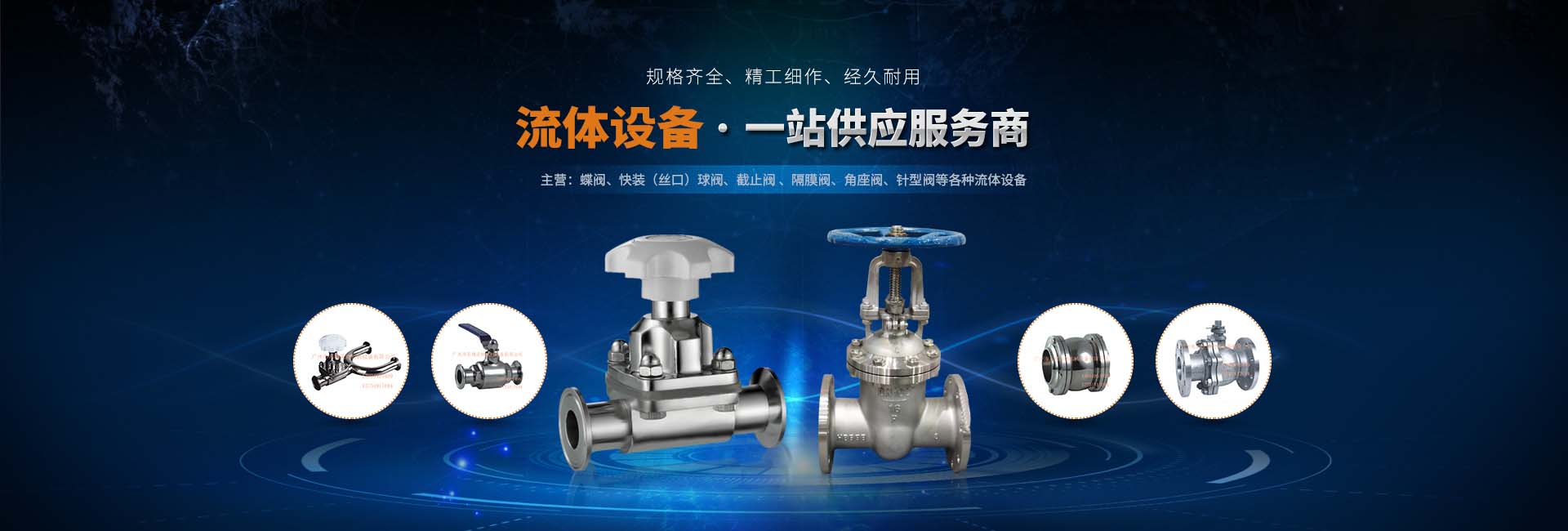
Sanitary fittings are valves and piping components used in places with stringent hygiene grade requirements. Sanitary fittings exhibit excellent corrosion resistance, heat resistance, low-temperature strength, and mechanical properties. They are resistant to corrosion in the atmosphere, but in industrial atmospheres or heavily polluted areas, they require timely cleaning to prevent corrosion.
Sanitary pipe fittings are components that connect to other pipes, utilizing three methods of connection: threaded, welded, and clamp types. These fittings come in both welded and seamless styles, with the common welded type featuring polished inner and outer diameters, which are achieved through welding processes.
Sanitary fittings feature high compressive strength, typically made from a crystal used with ceramic materials, characterized by small radius and high-valent ion configuration. The determination of numbers and properties is measured through material and compressive strength molds, generally limiting the inherent brittleness of ceramics, with its limitations reflecting varying increments across different ranges. Sanitary fittings align with the development of ceramic technology in materials and technology, with advancements achieved through improvements, resulting in increased toughness for stainless steel sanitary fittings.
The forming method for sanitary pipe fittings is as follows:
1. Forging Method: Using a forging press to stretch the end or a portion of the tube, reducing its outer diameter. Common types of forging presses include rotary, lever, and roller presses.
2. Bending and Shaping Methods: Three commonly used techniques include the stretching method, the stamping method, and the more familiar roller bending method. This involves 3-4 rolls, with two fixed rolls and one adjustable roll to adjust the distance between the fixed rolls. The finished pipe fittings are then bent.
3. Pressing Method: Expand the tube ends to the required size and shape using a conical mandrel on a press. Roller Method: Place a mandrel inside the tube and compress the outer circumference with rollers for round edge processing.
4. Rolling Method: Generally does not require mandrel, suitable for the inner circular edge of thick-walled tubes.
5. Blowing Method: One method involves placing rubber inside a pipe, then compressing it with a punch to form a bulge. Another method is hydraulic blowing, where a liquid is introduced into the middle of the pipe, utilizing the pressure of the liquid to expand it into the desired shape.
