
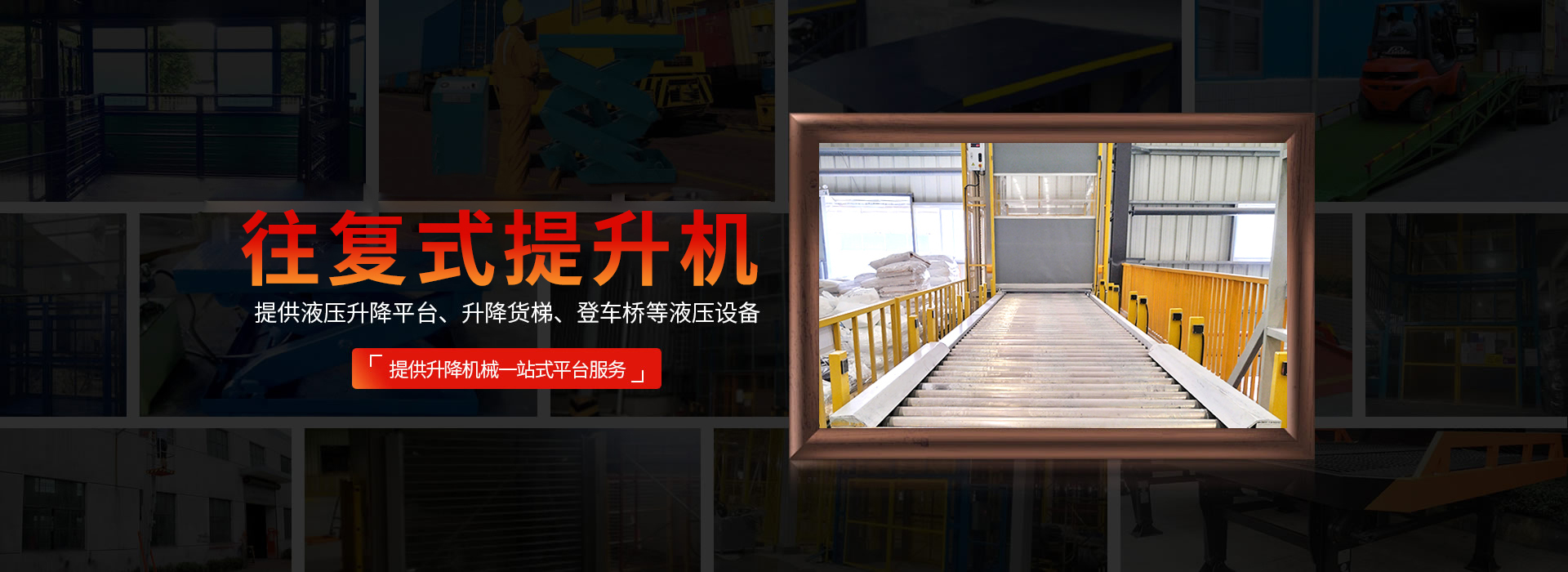


Hydraulic lifting platforms primarily operate through the transmission of pressure by hydraulic oil, enabling the lifting function. Their scissor mechanical structure ensures a high degree of stability during lifting. With spacious work platforms and high load capacities, they expand the range of high-altitude operations and are suitable for simultaneous use by multiple personnel. This not only enhances the efficiency of high-altitude work but also guarantees safety. Let's follow the editor to explore the safety operation procedures for hydraulic lifting platforms.
To ensure the safe operation of the lifting platform, the user must conduct regular inspections and assign a dedicated person to supervise and maintain it. Operators must adhere to the safety operation manual, and only those responsible for operating the platform should be allowed to do so. They must be proficient in the structural performance and usage of the platform before conducting independent operations. Unauthorized personnel are prohibited from operating the lifting platform, and it is strictly forbidden to carry passengers.
2. Prior to operation, all switches and safety devices should be checked for proper functioning, and the protective gate should be securely closed. The machine should be raised and lowered under no-load conditions several times to expel any remaining air in the oil cylinder and to observe the normal operation of the mechanical equipment. Only after confirming there are no issues should the equipment be used. When using the platform, the load must not exceed its rated weight.
Operators must regularly perform routine checks on the mechanical, electrical, pump station components, and safety devices of the platform.
4. During operation, no one is permitted to open the protective gate. Should the gate be found open, operators must immediately shut down the machinery and ensure the gate is securely closed before resuming use.
If abnormal sounds, unusual ascending or descending, or other hazardous conditions are detected during operation, the machine should be immediately shut down or the emergency stop button (red) pressed, and a professional should be sought for inspection. The machine is not to be operated until it is repaired.
5. Items exceeding a certain length are not permitted to be transported within the platform. Handle items with care and avoid throwing them; ensure that items are placed in the center of the platform, not skewed to one side. Operators are strictly prohibited from shaking the platform vigorously while loading or unloading items.
6. When loading or unloading items on the platform, press the emergency stop button (red) and, upon completion, the personnel should evacuate the platform, close the protective gate, and release the emergency stop before resuming operation.
7. When the lift platform is out of use for maintenance or cleaning, the power must be disconnected and a "Maintenance in Progress or Cleaning in Progress" sign must be placed.
8. During operation, the lift platform must not be arbitrarily changed in direction. It should be changed only after the platform has completely stopped. It is not allowed to switch the power supply on and off abruptly or to press the buttons frequently.
