

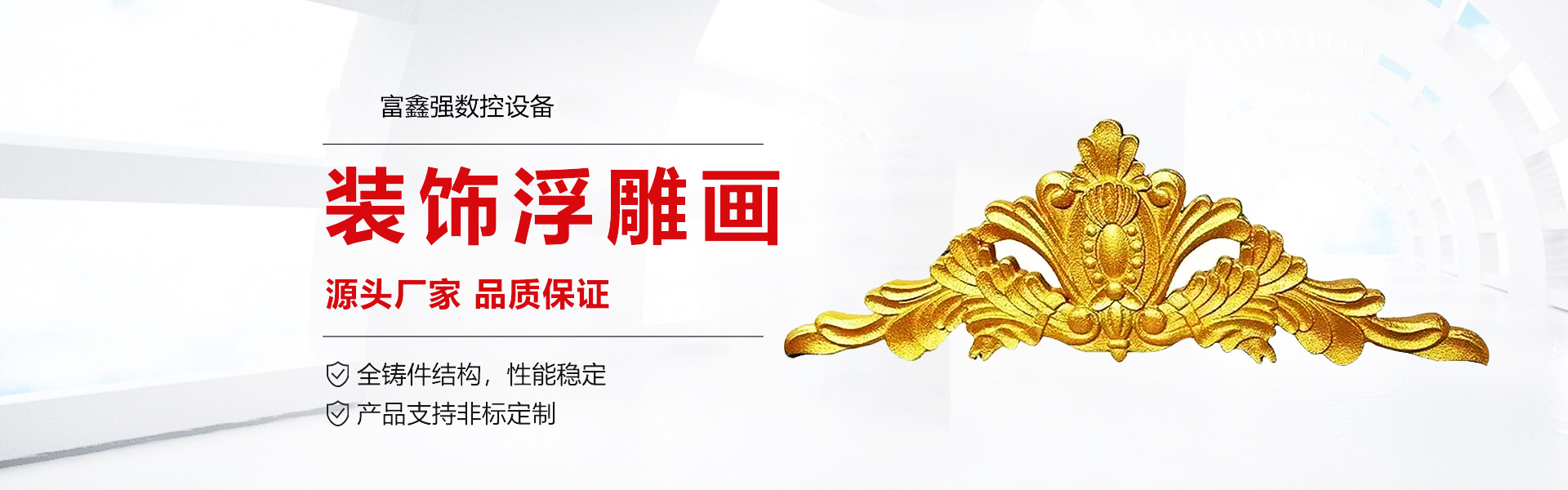
Exterior wall decorative reliefs are a form of decorative art used on the surfaces of building exteriors. They showcase a variety of patterns, themes, and styles in the form of reliefs, adding a unique artistic charm and cultural depth to the architecture. Here is a detailed introduction:
I. Primary Materials:
Sandstone: Just like the artificial sandstone reliefs from Guangzhou Yiyu Arts & Crafts Co., Ltd., which boast the characteristics of natural stone such as hardness and wear resistance, they also feature a rich surface texture, high plasticity, and expressive power, capable of presenting various artistic styles. They are suitable for exterior decorations of buildings like villas and hotels.
Foamed Ceramic: Carbon Song's foamed ceramic is a new material characterized by its lightweight yet high strength, excellent malleability, excellent weather resistance, and environmental friendliness. Through techniques such as mold forming or CNC cutting, it can be carved into delicate textures and complex patterns, integrating local cultural elements, showcasing modern artistic concepts, or achieving a harmonious blend of nature and architecture.
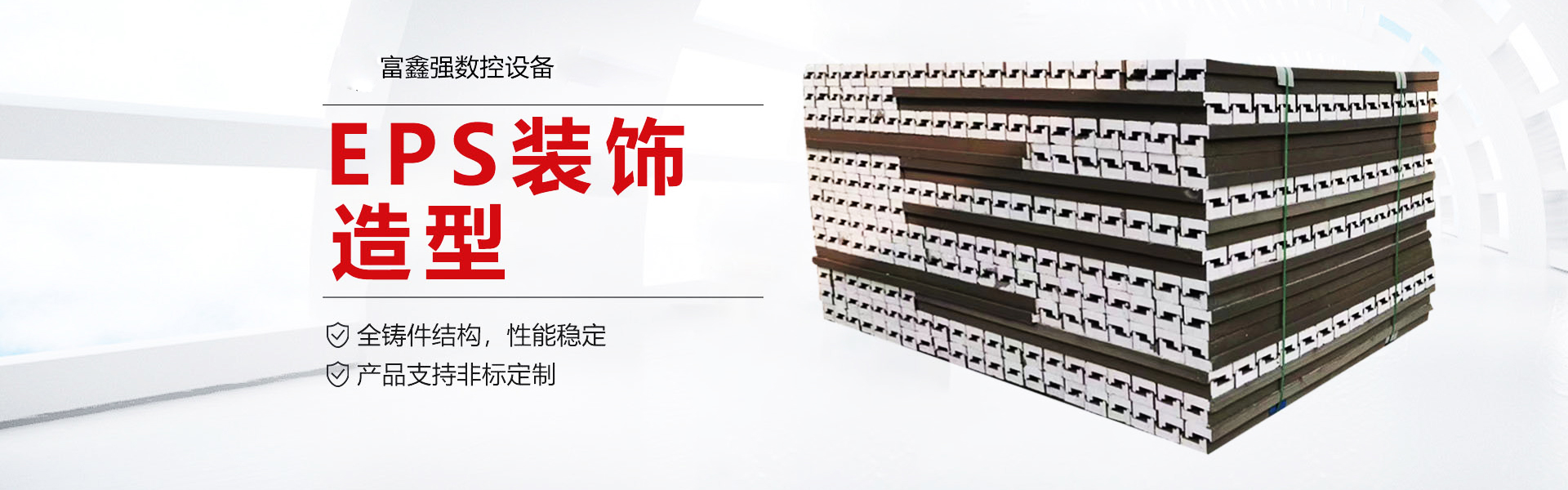
EPS is a lightweight polymer with advantages such as light weight, affordability, and ease of processing. It can be molded into various shapes and patterns to create bas-reliefs, commonly used in the exterior decoration of European architectural styles, capable of creating a luxurious effect.
GRC, or Glass Fiber Reinforced Concrete, boasts high strength, excellent flexibility, and exceptional durability. It allows for the creation of large and complex bas-relief components, widely used in the exterior decoration of various buildings. It can accommodate different architectural styles and design requirements.
Stone materials, such as slate and granite, are highly durable, solid, and wear-resistant, making them ideal for outdoor carving. Slate exudes a rustic elegance, perfect for traditional style bas-reliefs; while granite boasts even coloration and a hard texture, suitable for large-scale bas-relief carvings and installations.
Section II: Common Styles
European Style: Characterized by themes from ancient Greek and Roman mythology, biblical stories, and intricate plant and floral motifs such as ivy leaves and scroll patterns. The lines are smooth, the shapes are ornate, brimming with classical charm. Commonly found on villa exteriors and European-style architecture, it creates an atmosphere of nobility and elegance.
Traditional Chinese Style: Characterized by themes of traditional cultural elements such as auspicious animals like dragons, phoenixes, qilins, and lions, plants like plum blossoms, orchids, bamboo, and chrysanthemums, as well as natural landscapes like mountains and rivers, and cloud patterns. It emphasizes the expression of artistic conception, showcasing the profound and implicit beauty of Chinese traditional culture. Often used for the exterior decorations of Chinese gardens, ancient architecture restoration, or replica ancient buildings.
Modern Minimalist Style: Emphasizing clean lines and geometric shapes, primarily featuring abstract and simple patterns, aiming for the unity of form and function. It coordinates with the sleek appearance of modern architecture, showcasing a sense of modernity that is simple, elegant, and fashionable.
III. Manufacturing Process
Hand-carved: Craftsmen manually carve materials using tools such as hammers and chisels, producing delicate and lifelike artistic effects. Each piece boasts unique artistic value; however, the production process is lengthy and costly, commonly used for high-quality, customized bas-relief works.
Mold Casting: Involves pouring material into pre-made molds, where the mold's shape and texture create raised patterns. This method is highly efficient and cost-effective, producing consistent shapes and sizes of relief products, commonly used for mass-produced relief components.
CNC Cutting: Utilizing computer numerical control technology to control cutting tools, this method carves and cuts materials, enabling intricate patterns and fine detail processing. It boasts high production efficiency and stable quality, suitable for relief sculptures in various materials.
3D Printing: Through 3D printing equipment, bas-relief artworks are printed layer by layer according to design models, enabling highly complex shapes and structures. This provides greater design freedom for bas-relief creation. However, the current cost is relatively high, and the choice of printing materials is somewhat limited.
Installation Methods
Dry-hanging method: This technique involves fixing bas-relief panels to the framework of the building's exterior wall using metal hangers. The hangers are connected to the bas-relief panels with bolts or welding, and the framework is secured to the building's wall with pre-buried parts or expansion bolts. This method offers strong installation, high adjustability, and ease of replacement and maintenance for bas-relief panels, suitable for larger and heavier pieces.
Direct Paste Method: Apply a specialized adhesive to affix the bas-relief directly to the exterior wall surface, ensuring the base layer is smooth, clean, and dry. The direct paste method is simple and quick to execute, with lower costs, but it has limitations on the weight and size of the bas-relief, suitable for small and lightweight components.
V. Application Scenarios
Villas: Enhancing the overall quality and artistic atmosphere of the villas, showcasing the homeowners' taste and status.
Hotel: Crafting a unique architectural style and cultural ambiance, offering guests visual delight and a distinctive experience.
Cultural Architecture: Museums, theaters, libraries, and other cultural buildings showcase cultural themes and artistic depth through exterior bas-reliefs, resonating with the buildings' functions.
Commercial Buildings: Attract Customers' Attention, Enhance Building Distinctiveness and Commercial Value, Including Malls, Restaurants, Cafes, and More.
Religious Architecture: The exterior bas-reliefs of religious buildings such as temples and churches often feature rich religious symbolism and significance, including depictions of Buddha, biblical stories, and religious symbols, which create an atmosphere of solemnity and sanctity.
