
 High ammonia-nitrogen wastewater treatment
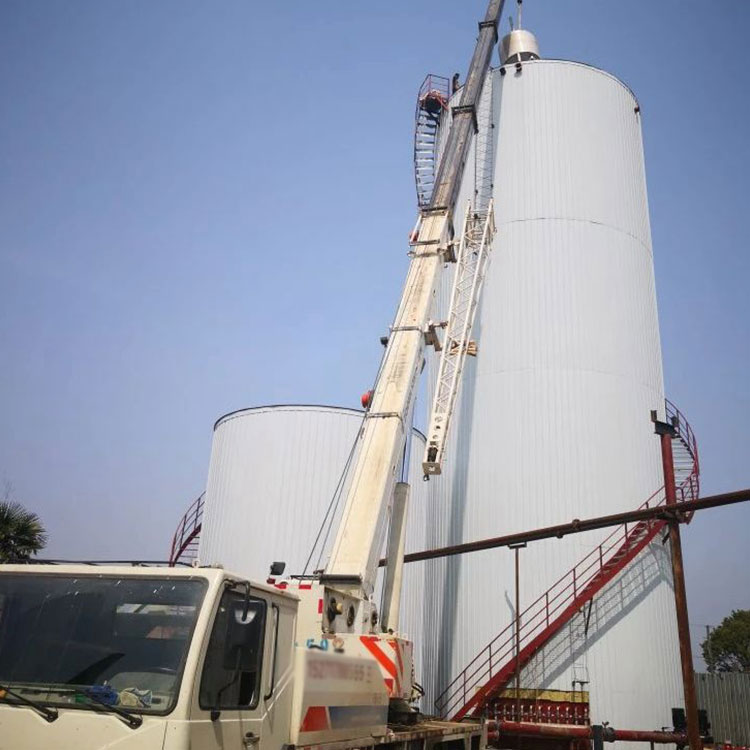 DMF Wastewater Treatment, Fenton Technology, Two-Stage A/O
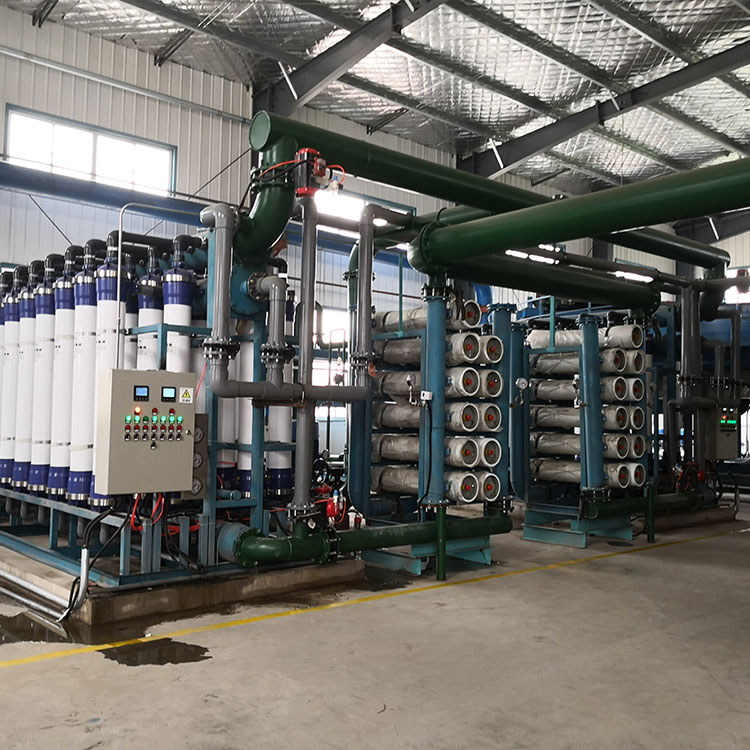 Reclaimed Water Recycling Equipment
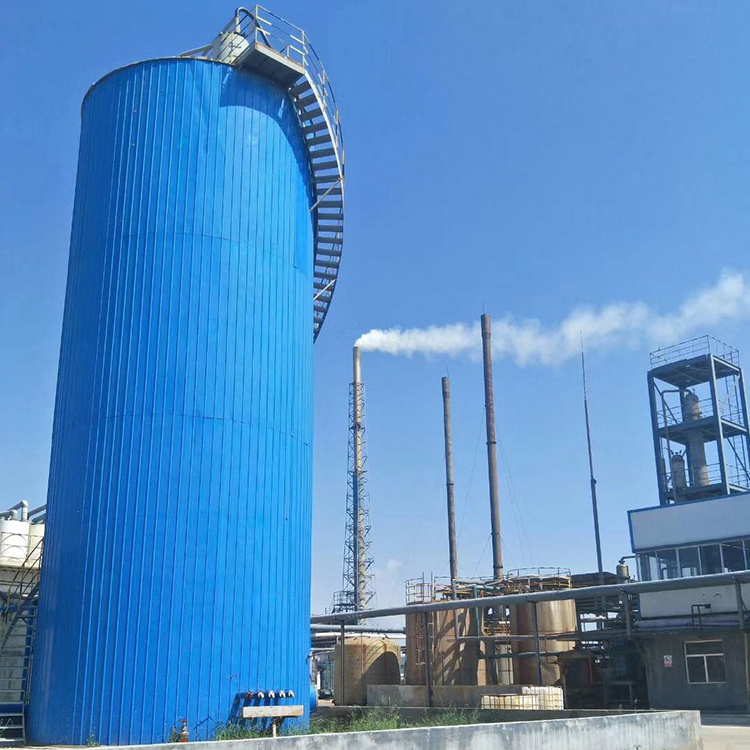 Integrated Equipment, Chemical Wastewater Treatment, River Management
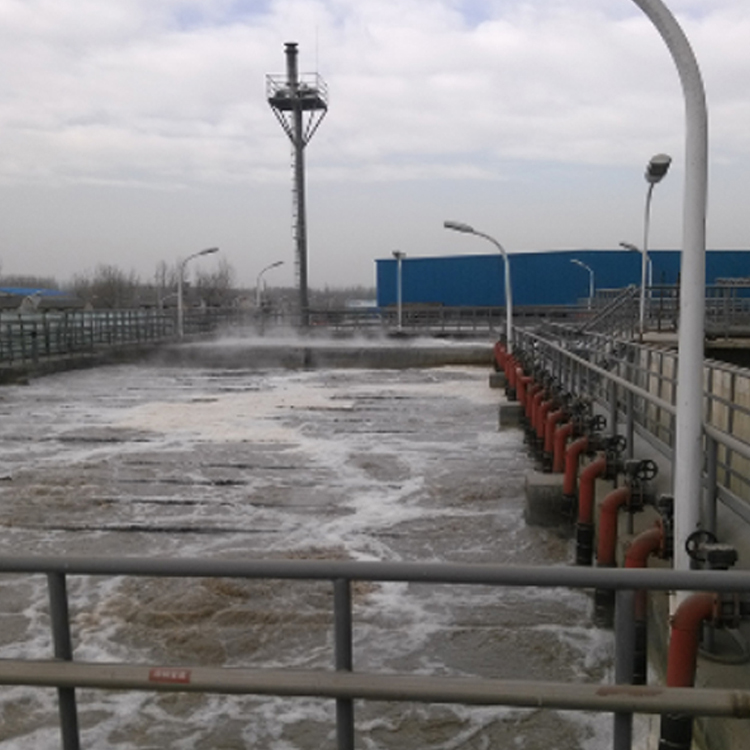 Textile dyeing and finishing wastewater treatment plant
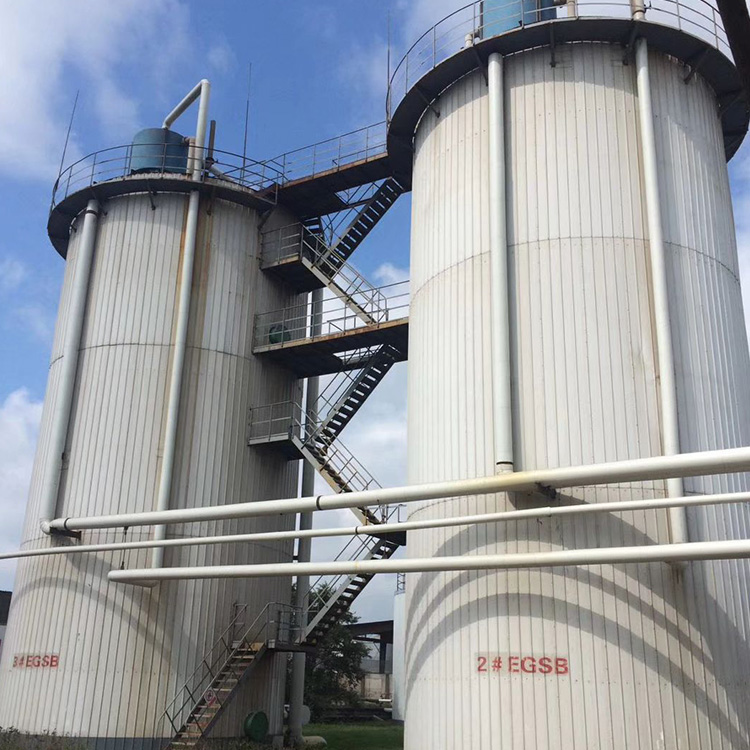 Wastewater Treatment Project, Paper Mill Wastewater Treatment Equipment, Paper Mill Wastewater Treatment
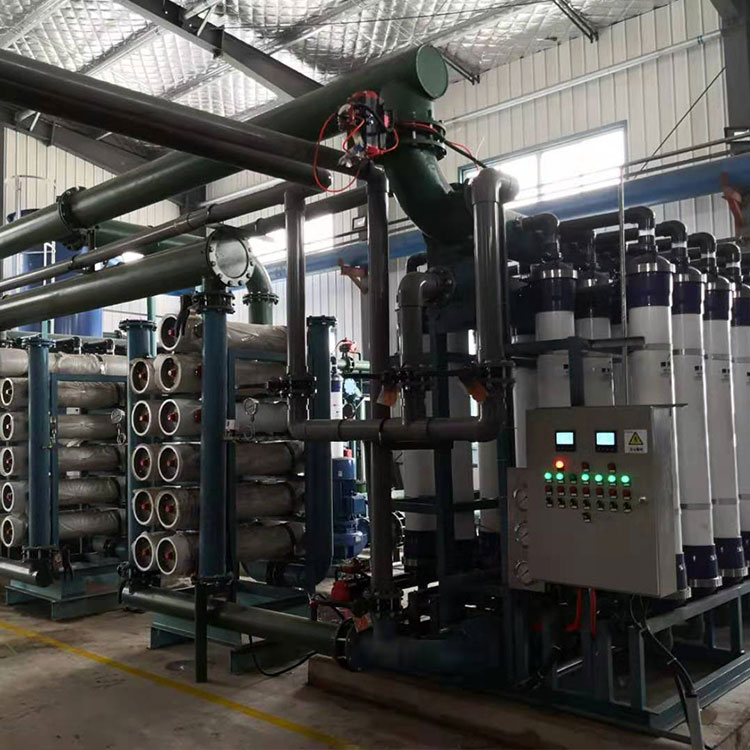 Nitrile wastewater, Nitrile production wastewater
Product Details

Wetland Design, Wastewater Treatment Process Design, Wastewater Treatment Equ...



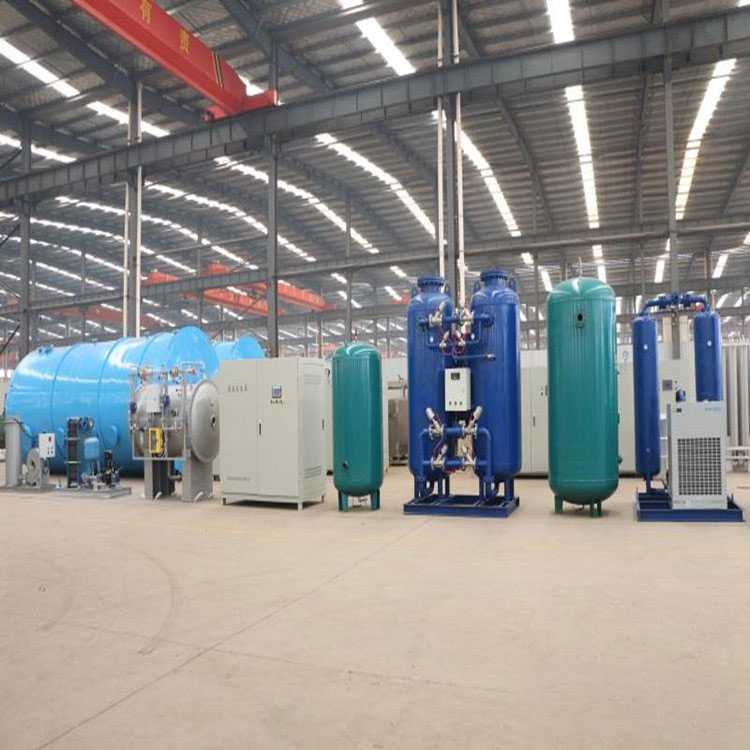


产品Price Negotiable
最小起订Quantity: 供货总Quantity:


Ozone is an allotrope of oxygen, containing 3 oxygen atoms. It is a pale blue gas at room temperature and pressure, with a solubility in water of 9.2mlO3/L, higher than oxygen (42.87mg/L), and appears purple-blue when the dissolved concentration exceeds 20mg/L. Ozone possesses strong oxidizing properties, with an oxidation-reduction potential of 2.07V, which is only slightly lower than F2 (3.06V). It can directly mineralize large molecules, long-chain, and biologically non-degradable organic matter in wastewater into carbon dioxide and water, partially decompose them into small, easily biodegradable substances, break down the structure of non-biodegradable organic matter, reduce toxicity, and enhance the B/C ratio, thereby ensuring the effectiveness of subsequent biochemical treatment. Ozone is widely used in industrial wastewater treatment. The interaction between ozone in aqueous solutions and organic matter primarily occurs through two pathways: one is the direct oxidation by ozone molecules; the other is the strong oxidative action of the hydroxyl radical ·OH produced after ozone decomposition. Traditional ozone oxidation technology primarily relies on direct oxidation, featuring poor mass transfer efficiency, high selectivity, low ozone utilization rate, and high investment and operational costs. Ozone catalytic oxidation technology involves adding transition metal ions to the oxidation system, which significantly enhances the catalytic effect of ozone oxidation. It can catalyze the self-decomposition of ozone in water, increasing the concentration of ·OH radicals, thereby improving the effectiveness of ozone oxidation. Currently, the catalytic ozone process is divided into two types: homogeneous ozone oxidation and heterogeneous ozone oxidation. Homogeneous ozone oxidation refers to the addition of some soluble transition metal ions to water to achieve the catalytic effect of ozone oxidation. Heterogeneous ozone catalysis uses catalysts in a solid form, which are easy to separate, simplifying the process, avoiding catalyst loss, and reducing water treatment costs. Common catalysts used in heterogeneous catalytic ozonation engineering include: metal oxides and composite metal oxides; metal oxides loaded on a support; metals loaded on a support; activated carbon or catalysts supported on activated carbon; porous materials, etc. Among the transition metal oxide series, those with a wide range of applications include titanium oxide, iron oxide, manganese oxide, aluminum oxide, zinc oxide, copper oxide, and nickel oxide, due to their relatively low price, easy availability of raw materials, and high catalytic activity.

Phone Consultation
QQ Service