GBIC Anaerobic Reactor - IC Anaerobic Tower - IC Anaerobic System_SupplyPro Co., Ltd._Jinan Guangbo Environmental Protection Technology Co., Ltd. 
在线客服 在线客服邀请中...
关闭

您好,现在客服正邀请与您通话,请留下您的联系方式,客服将尽快与您取得联系。

 点击提交代表您同意《服务条款》《隐私政策》
Jinan Guangbo Environmental Protection Technology Co., Ltd.

Wetland Design, Wastewater Treatment Process Design, Wastewater Treatment Equ...

0531-89702926 15552509188

GBIC Anaerobic Reactor - IC Anaerobic Tower - IC Anaerobic System

产品Price Negotiable

最小起订Quantity: 供货总Quantity:

用手机扫描二维码直达商品手机版
MobileView details
Location:
Shandong/Jinan
有效期至:
长期有效
最后更新:
2022-04-13 16:48
Product Details

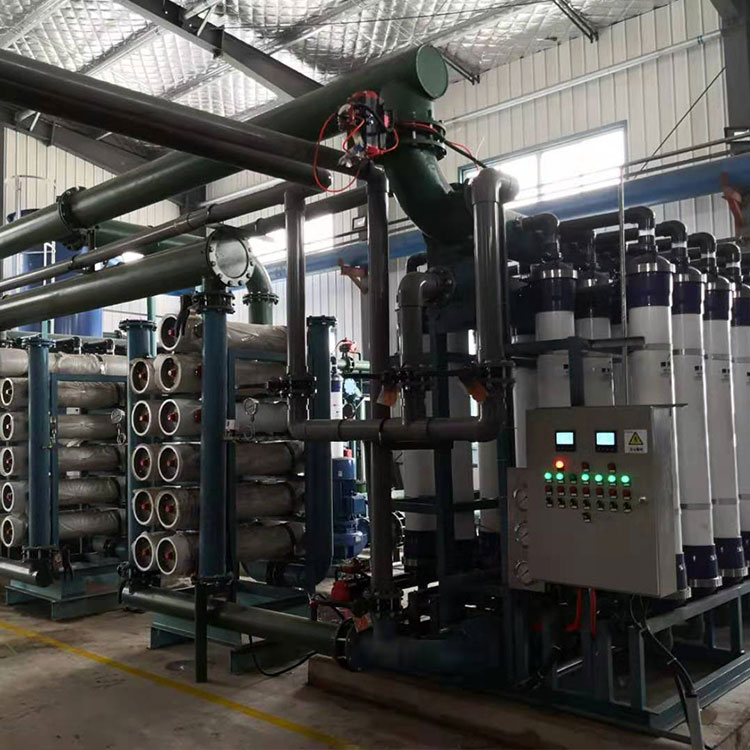
IC anaerobic reactors feature strong internal recirculation, excellent mass transfer, and a large biomass. Their volumetric loading is significantly higher than that of conventional UASB reactors, usually about three times higher.

②. Save infrastructure investment and land area

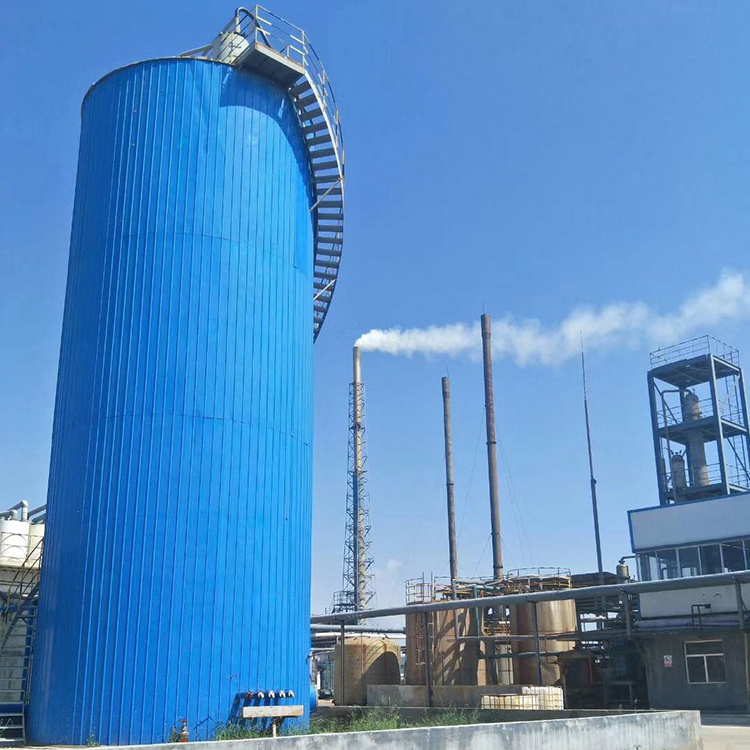
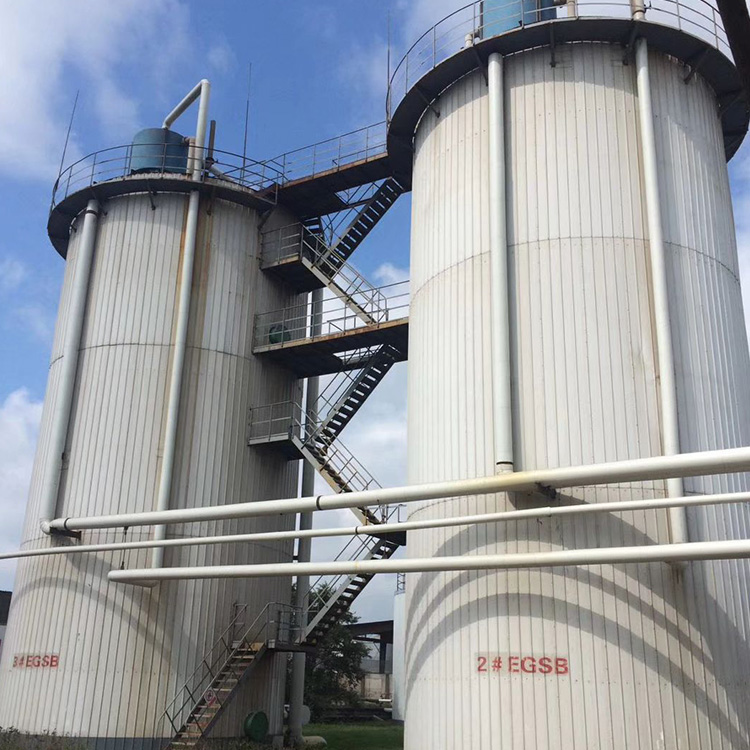
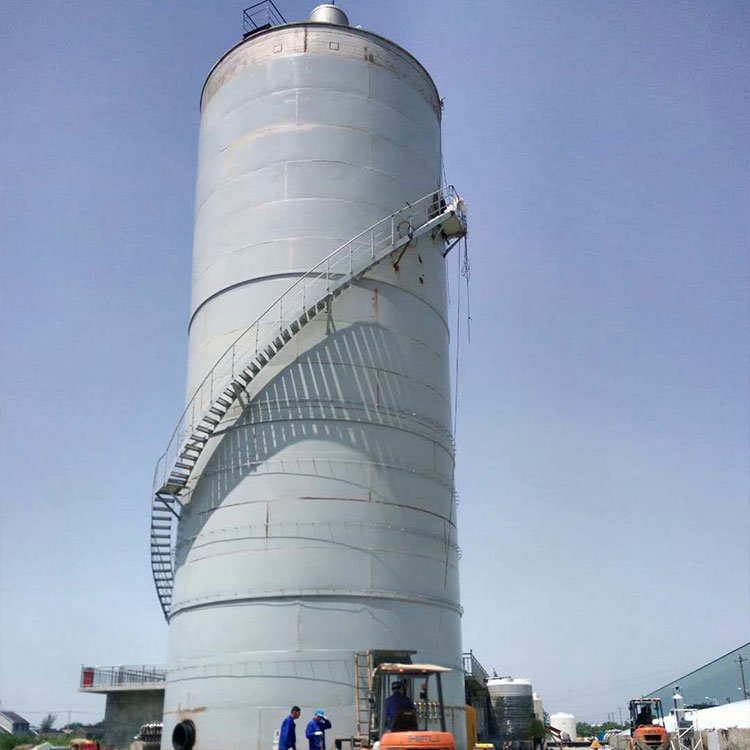
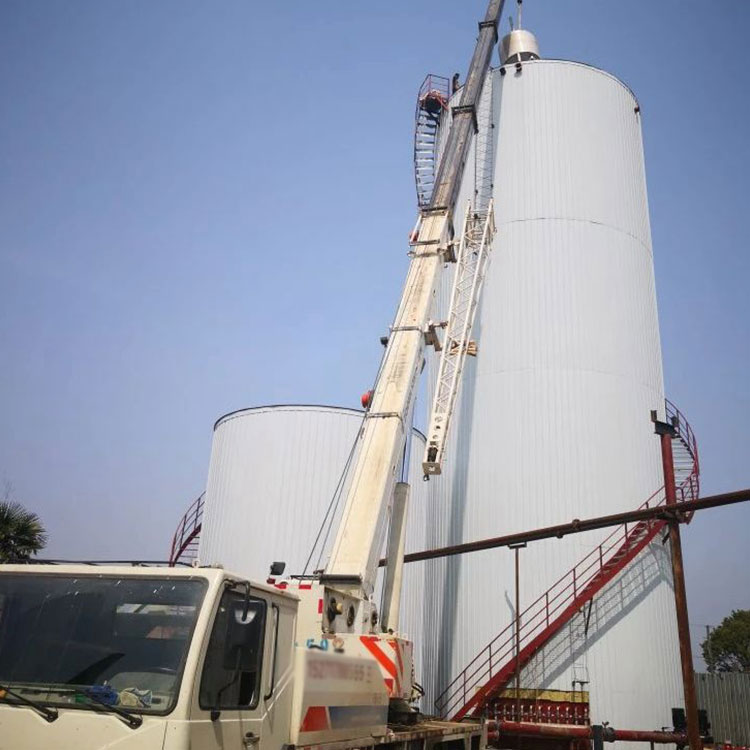
IC tanks have about three times the volume load of conventional UASB reactors and occupy only about 1/4 to 1/3 of the space, thus reducing the capital investment for reactor construction. The IC anaerobic reactor (IC tank) is not only compact in size but also boasts a high aspect ratio, making it particularly space-saving and highly suitable for new and expansion projects in enterprises with limited land.

③. Strong impact load resistance

Achieved its internal circulation, which can reach 10-20 times the incoming water volume. Due to the thorough mixing of the recycled water with incoming water at the bottom of the reactor, the organic concentration at the bottom is reduced, thereby enhancing the reactor's ability to withstand shock loads. Additionally, the large water volume also evenly distributes the sludge at the bottom, ensuring ample contact and reaction between organic matter in the wastewater and microorganisms, thus increasing the treatment load.

④. Good water output stability

The IC anaerobic reactor operates as a series connection of two UASB and EGSB reactors, with the lower reactor having a high organic loading rate for "rough" treatment and the upper reactor with a lower loading rate for "fine" treatment, resulting in good and stable effluent water quality.


IC厌氧反应器


The IC anaerobic reactor has been developed based on the UAS reactor. Just like the UASB reactor, the IC anaerobic reactor can form highly biologically active anaerobic granular sludge.

Similarly, this reactor can also form a fluid circulation internally, with the formation process being as follows:

Water enters a reaction zone from the bottom, where it mixes with granular sludge. Most organic matter is degraded here, producing a large amount of biogas. The biogas is collected by the lower three-phase separator. Due to the rapid upward flow rate of the produced and liquid phases, biogas, wastewater, and sludge do not separate well, forming a mixed gas, solid, and liquid fluid. Moreover, since the pressure in the gas-liquid separator is less than that in the reaction zone, the liquid is carried into the gas-liquid separator by the biogas, where most of the biogas is released from the mixed liquid and expelled. The density of the mixed fluid increases, and under the action of gravity, it flows back through the return pipe.

At the bottom of the reaction zone, the wastewater and granular sludge from one reaction zone are mixed, thereby achieving a fluid circulation within the reactor. The internal circulation increases the upward flow rate of the liquid phase in one reaction zone, reaching 10 to 20 m/h.

The upward flow rate of the liquid phase in the second reaction zone is less than that in the first reaction zone, typically only 2~10 m/h. This area, in addition to continuing the biological reaction, plays a crucial role in addressing sediment runoff and ensuring the water quality of the effluent after sedimentation, due to the reduced upward flow rate.

The Ic anaerobic reactor has the following advantages compared to the UAB reactor:

① High organic loading. The internal circulation has increased the upward flow rate of the liquid phase in the reaction zone, enhancing the mass transfer between organic matter and granular sludge in the wastewater, thereby increasing the organic loading of the IC anaerobic reactor.

Significantly higher than standard UASB reactors.

② High impact load resistance and good operational stability. The formation of internal circulation results in the actual water volume in the reaction zone of the IC anaerobic reactor being significantly greater than the incoming water volume, for example, when treating beer wastewater.

When treating wastewater with similar water concentration, the recirculating flow can reach 2 to 3 times the incoming flow rate; for potato processing wastewater, the recirculating flow can reach 10 to 20 times. The recycled water dilutes the incoming water, enhancing the wastewater treatment efficiency.

The impact load resistance and acid-base adjustment capabilities of the equipment, coupled with the continued treatment in the two reaction zones, usually operate very stably.

③ Cost-effective infrastructure investment, occupying less land area. When treating the same amount of wastewater, the volumetric loading of the IC anaerobic reactor is about 4 times that of the conventional UASB, hence its required volume is only 1/4 to 1/3 of the UASB.

1/3, Saves infrastructure investment. Plus, IC anaerobic reactors often feature tall, slender towers with a height-to-diameter ratio of 4~8, thus occupying less land area, particularly suitable for enterprises with limited land.

④ Energy-saving. The internal circulation of the Ic anaerobic reactor is achieved under the action of biogas enhancement, without the need for external power, thus saving the energy for recirculation.

询价单
主题 *
内容 *
Your company's名
Contact person *
ContactPhone *
电子Email
验证码  
 点击确定代表您同意《服务条款》《隐私政策》
 
 Click submit means you agree to《Service terms》《Privacy policy》

Phone Consultation

Consultation Phone:
0531-89702926

QQ Service

QQ Service:
529027317

Back to Top