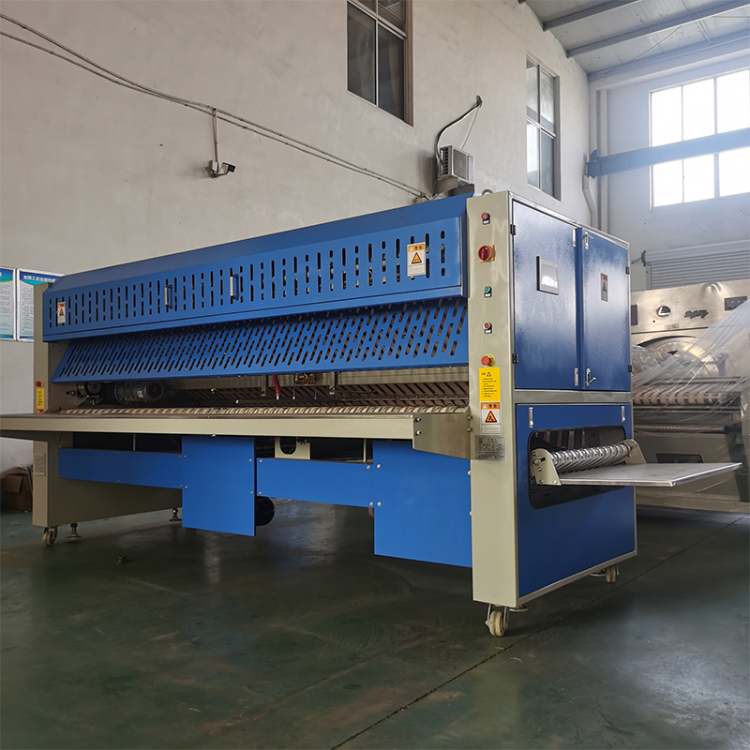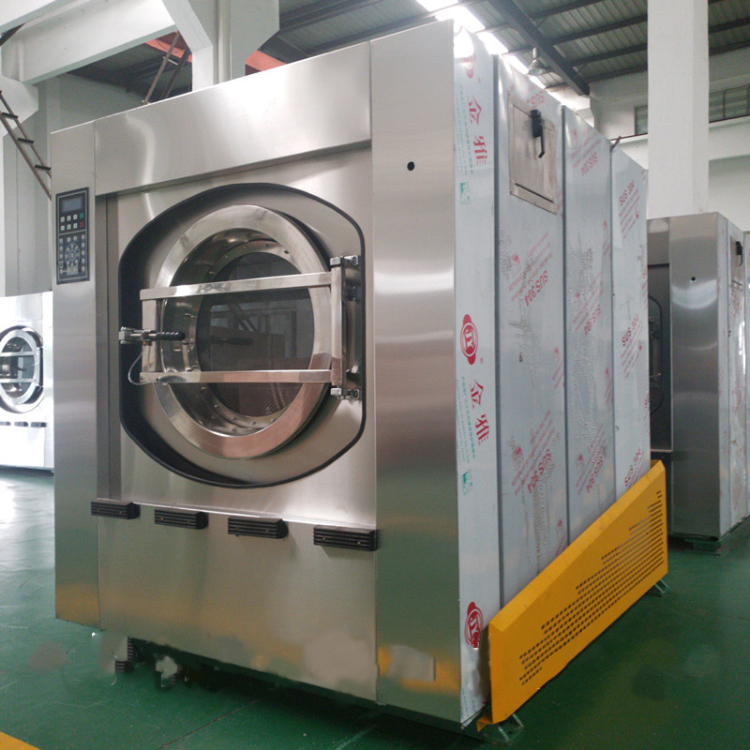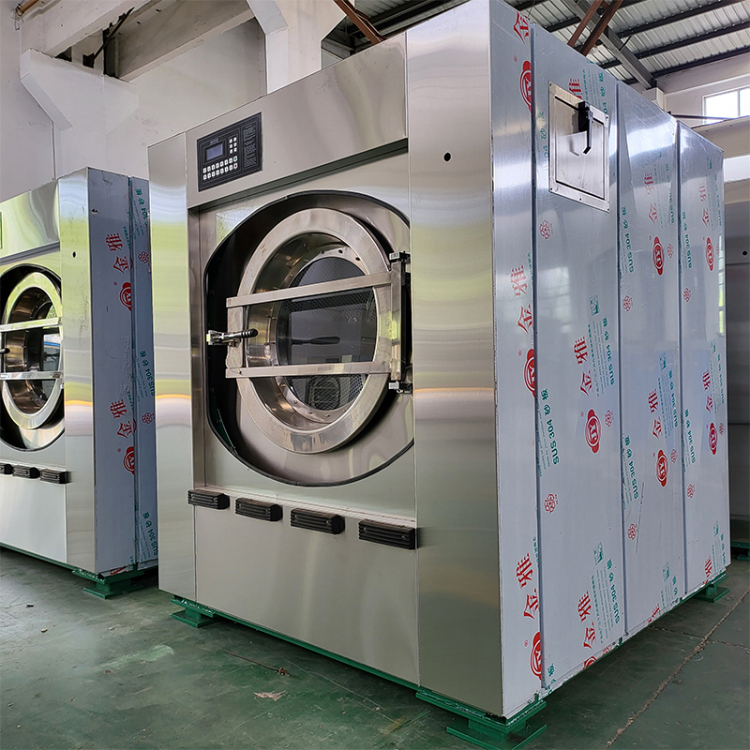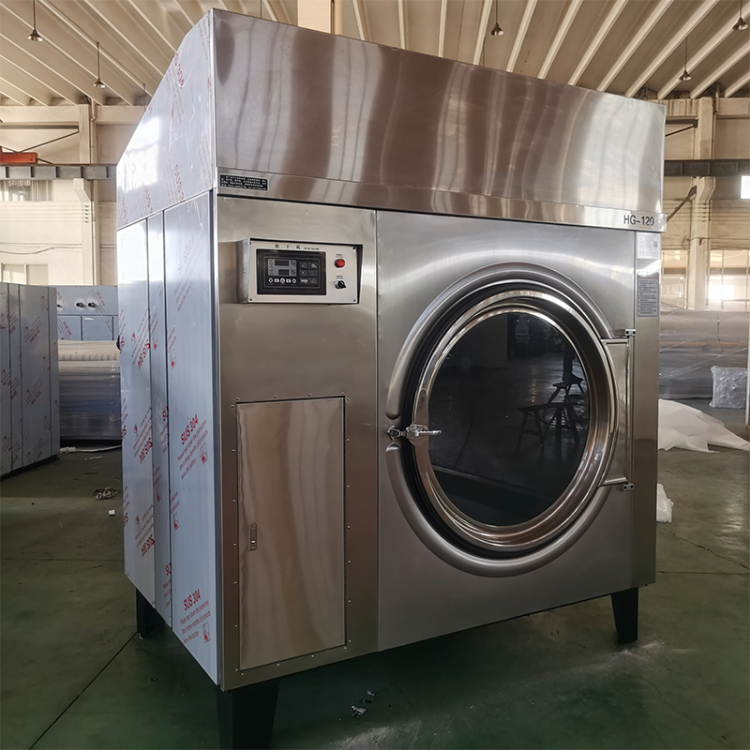

Research, manufacturing, sales, and installation of gener...

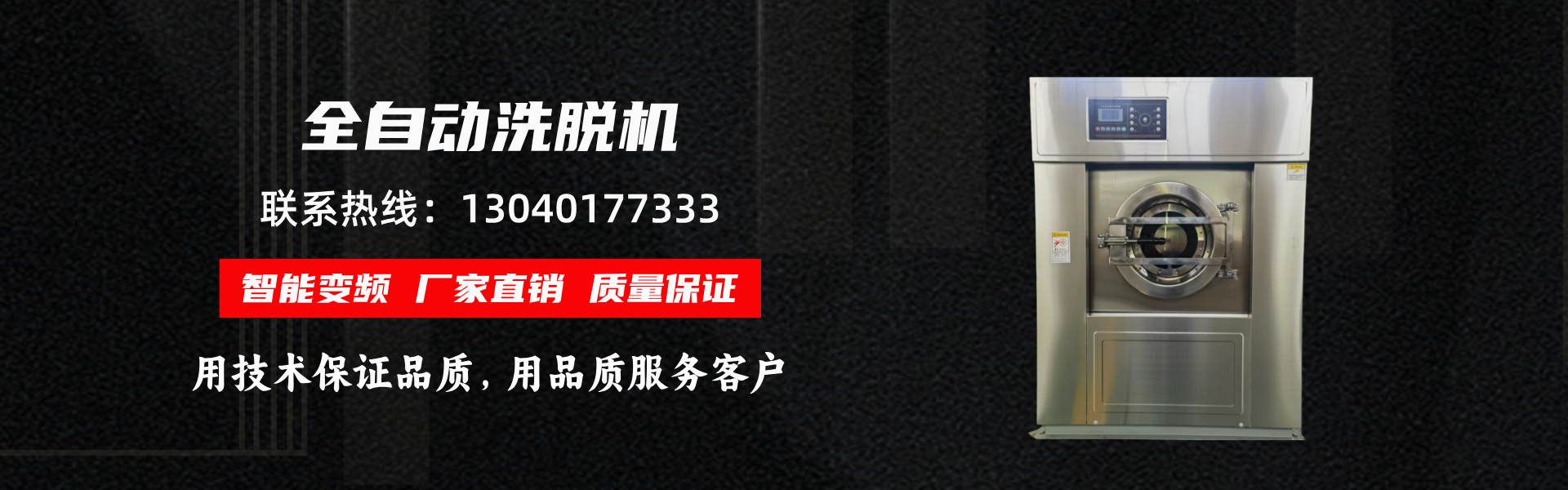
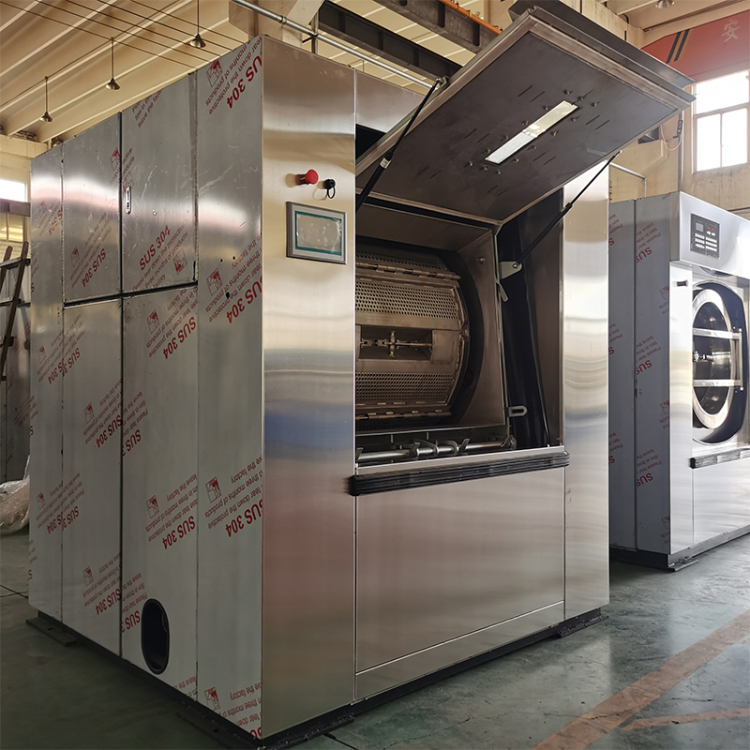
The fully automatic washing machine exhibits a significant speed difference between washing and drying. Typically, variable-pole motors or multiple standard motors are used, along with clutches to switch operations. Due to the large load inertia, high-speed differential motors are required to achieve a high starting torque, and braking devices are needed during deceleration. With variable frequency drive control, motors can adjust speeds over a wide range, from low to high. Simultaneously, the transmission unit's size is reduced and control performance is enhanced. Post the use of variable frequency drive control, the rotation speed of the washing drum during washing, rinsing, and balancing processes can be controlled arbitrarily based on the condition of the clothes and detergent, to increase the speed of the drum during the drying process and shorten the cycle time.
From high-speed dehydration to a short-term stop state.
Several motors are prepared based on the required speeds for washing and dehydration, followed by switching between them using a clutch.
The dehydration process is shared between two high-speed and one medium-speed dehydration motors, or a pole-changing motor is used, thus making the transmission mechanism more complex and requiring a clutch, belt pulley, and brake valve.
Inverters can effectively address the aforementioned issues.
A single motor is suitable for high-speed, medium-speed, and rough operations, including braking operations, and the transmission mechanism is simple.
After dehydration, the variable frequency inverter can be used with an external braking device to decelerate, converting the regenerative energy of the motor into heat and achieving deceleration in a short time.
An operation process of the fully automatic washing machine is: Wash - Spin - Rinse - Spin - Dry.
In the washing and cleaning process, frequent forward and reverse operations are involved, with spin-drying being a high-speed rotation, while drying is a long-duration low-speed operation. Prior to spin-drying, clothes must be evenly distributed around the drum, which is a balancing process. The fully automatic washing-extracting machine, after adjusting the speed with a variable frequency drive, only requires one motor to be connected with the washing, simplifying the mechanical part and allowing the use of standard motors. Using ultra-high-speed spin-drying can effectively shorten the spin-drying time, washing and spin-drying speed
The operational performance has been enhanced through the ability to freely determine settings via the control panel; due to the elimination of heavily worn components such as brakes and clutches, the system requires minimal maintenance. During system design and application, attention should be given to: @For standard motors with ultra-high-speed dehydration, there may be a situation where the motor torque is insufficient to cause stall, so the mechanical characteristics of the motor must be fully considered; @When the motor operates at high speeds, vibration will increase. The washing drum may resonate, so resonance points should be avoided.


www.114global.com © Zhongshang 114 Hebei Network Technology Co., Ltd.Address: Room 6009, Oriental New World Center, No.118 East Zhongshan Road, Qiaoxi District, Shijiazhuang City, Hebei ProvincePlatform Service Hotline: 4006299930