

Copper metals are prone to oxidation and rust without any surface protection treatments in their natural state. Prolonged exposure to high temperatures or humid environments exacerbates this issue. Oxidation and rust not only affect the appearance and cleanliness of copper but also pose potential risks in specific application environments. Therefore, copper chemical polishing is necessary. However, copper, being a reactive non-ferrous metal, readily reacts with oxygen in the air, forming copper oxide, which causes it to turn black. Polished copper components are particularly susceptible to oxidation upon contact with air oxygen. Consequently, addressing the issue of copper discoloration and oxidation post-polishing is essential. This article will provide a detailed introduction to the question, "Why is passivation necessary after copper chemical polishing?" for reference and borrowing by those in need:
Traditional copper polishing includes mechanical polishing and hand polishing, which can achieve a shiny finish. However, mechanical polishing is ineffective for complex or irregularly shaped pieces, resulting in uneven polishing. Moreover, the polishing wax layer is difficult to clean and does not provide anti-color change or anti-oxidation protection. Due to the need for specific processes, the market introduced trichloroacetic acid copper polishing, suitable for polishing any shape of copper. But, due to its content of chromic acid and other heavy metals, it fails to meet environmental standards. Additionally, it generates significant acid mist and yellow smoke during operation, creating a poor working environment. Therefore, it does not satisfy the actual production needs of many enterprises.
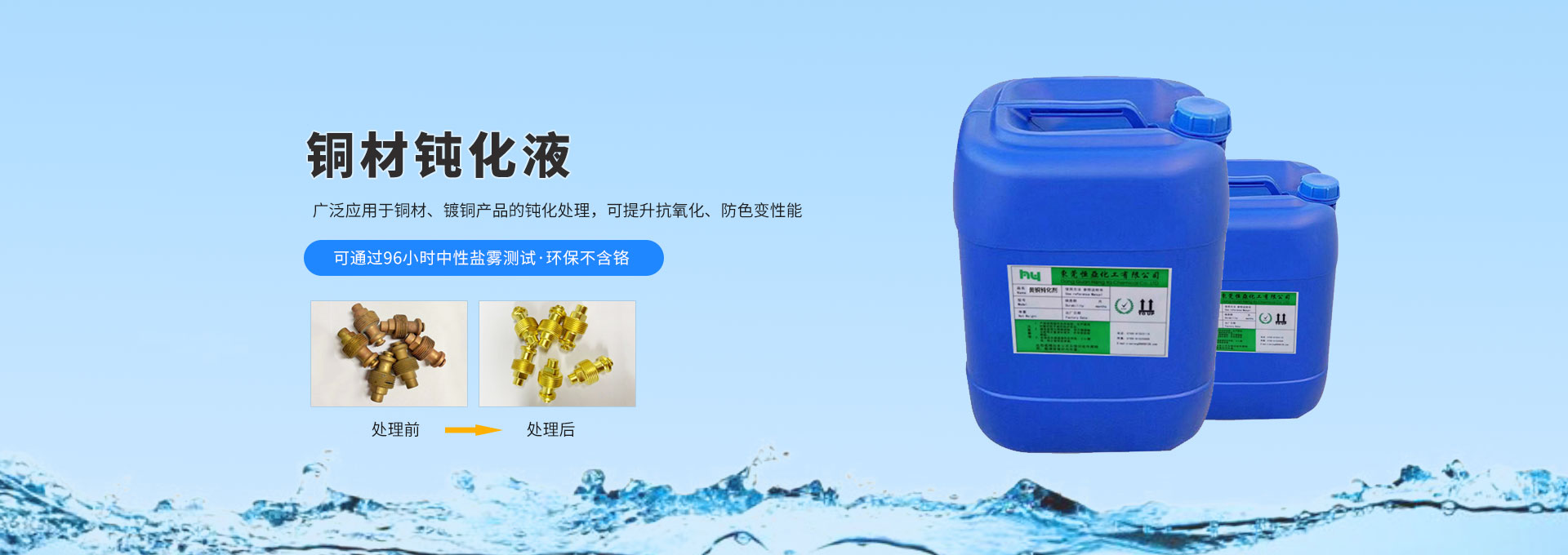
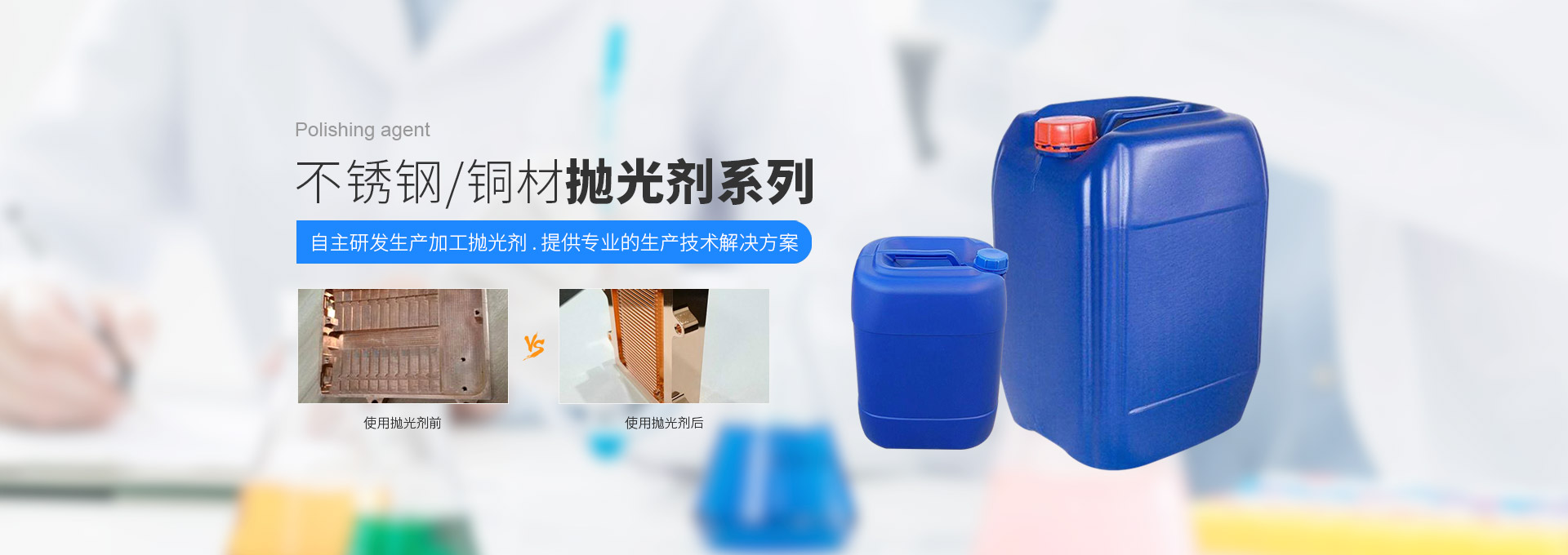
Our self-developed and produced copper material polishing solution, formulated with an environmentally friendly recipe, has undergone tens of thousands of tests and practical applications. After continuous process improvements, it can be used for chemical polishing on all types of copper and copper alloys. Simply immerse the copper parts in the copper material polishing solution for 15 seconds to 3 minutes, and the surface will achieve a uniform, shiny finish that looks brand new, allowing clear visibility of facial features and eyebrows. The result is a very attractive and aesthetically pleasing effect. At this point, we need to quickly apply copper passivation to the copper parts to ensure their surface remains bright and beautiful without discoloration. This is because copper is highly reactive chemically and, when exposed to air, easily reacts with moisture, causing the surface to turn black, and in severe cases, green. Therefore, it is necessary to promptly apply passivation to the polished copper parts.
