
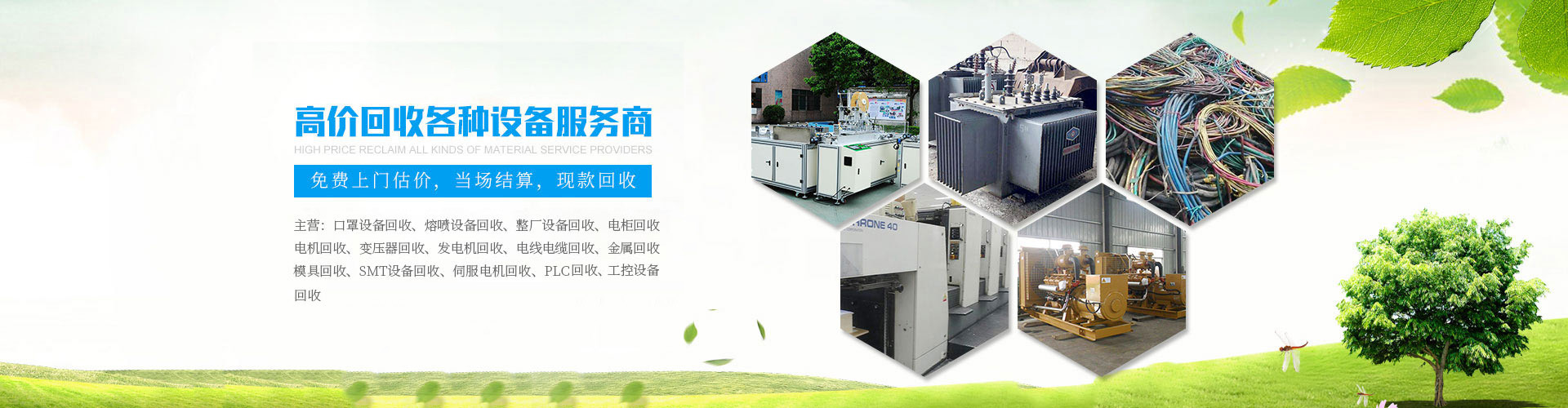


1. Mechanical separation method, drum-type peeling machine processing method, this method is suitable for handling waste wires and cables with the same diameter. This equipment performs excellent wire and cable stripping.
2. Low Temperature Freezing Method - This method is suitable for processing various specifications of wires and cables. Waste wires and cables are first frozen to make the insulation brittle, followed by vibration破碎 to separate the insulation from the copper wires.
3. Chemical stripping method, which uses an organic solvent to dissolve the insulation of waste wires to achieve the separation of copper wire from the insulation. The advantage of this method is that it yields high-quality copper wire, but the drawback is that the treatment of the solution is challenging, and the cost of the solvent is high. The development direction of this technology is to research a cost-effective and practical solvent.
4. The thermal decomposition method involves first shearing the waste cables and wires, which are then fed into the pyrolysis chamber by a conveying feeder. The copper wire obtained from the pyrolysis is transported to the discharge water-sealed pool by a grate conveyor and subsequently collected in a product collector. The copper wire can be used as raw material for producing refined copper. The gases produced from the pyrolysis are sent to a supplementary combustion chamber to burn off combustible substances, and then they are sent to a reactor where CaO absorbs Cl₂ before being discharged. The calcium chloride produced can be used as a construction material.
With the rapid development of underground power cable laying projects, higher requirements have been placed on cable protection. Cable protection sleeves are made by pre-treatment with sandblasting and shot blasting, followed by dipping or coating with polyethylene (PE) and steel pipes, and then undergoing a heating curing process. It is a commonly used electrical insulation tube for protecting wires and cables. Due to its excellent insulation properties, high chemical stability, resistance to rust and aging, and ability to adapt to harsh environments, it is widely applied.
