
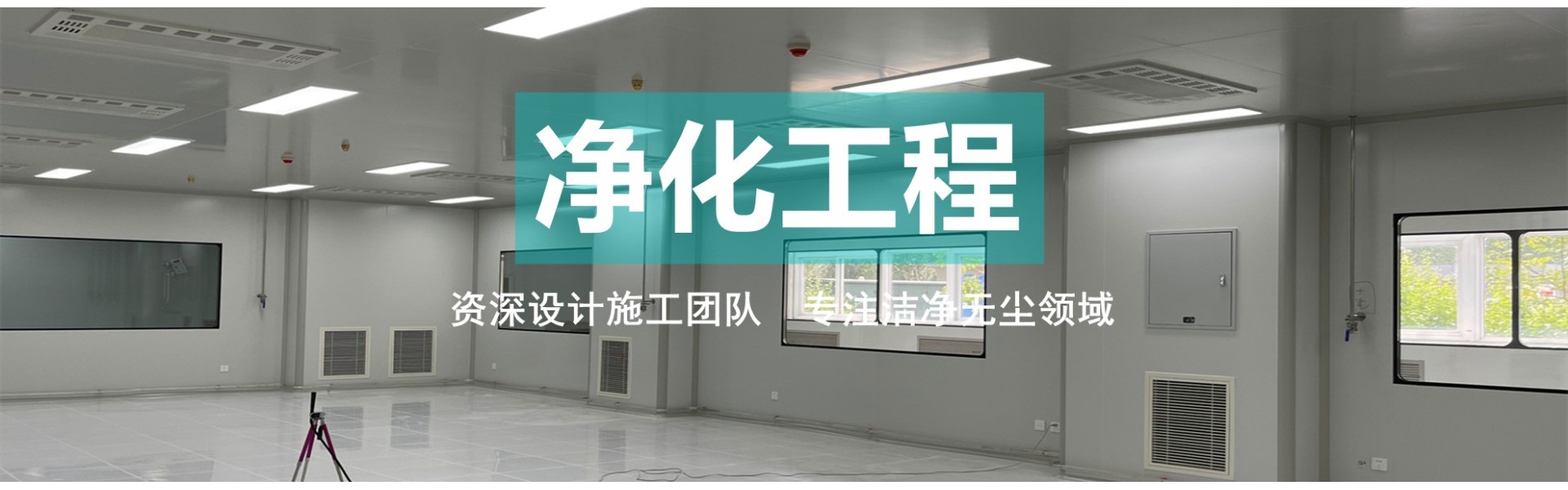

1Cleanroom Floor Plan
A cleanroom typically consists of three main sections: the clean area, the semi-clean area, and the support area. The layout of a cleanroom can be implemented in several ways:
The Corridor: The corridor can have windows or be windowless, serving both as a viewing area and for placing some equipment. Some corridors are equipped with direct-heat heating systems. The exterior windows must be double-sealed.
The interior corridor style: The dust-free workshop is located on the perimeter, while the corridors are situated inside. The cleanliness levels of these corridors are generally very high, sometimes even equal to that of the dust-free workshop.
The two-sided design: One side is dedicated to the clean room, while the other side accommodates semi-clean and auxiliary rooms.
The centralized approach saves land and shortens pipeline lengths by surrounding the dust-free zone with various auxiliary rooms and concealed piping spaces. This method avoids the impact of outdoor weather on the dust-free zone, reducing energy consumption for heating and cooling, and is conducive to energy conservation.
2Personnel Purification Path
To minimize the pollution caused by human activity during operations, it is necessary for personnel to change into cleanroom suits, wash their hands, disinfect, and pass through an air shower before entering the cleanroom. These measures are known as personnel decontamination.
The rooms replacing cleanroom suits in personnel decontamination areas should be supplied with air, while maintaining positive pressure in other rooms such as the entry side. For restrooms and showers, a slight positive pressure should be maintained, whereas restrooms and showers should maintain negative pressure.


通过中商114认证