
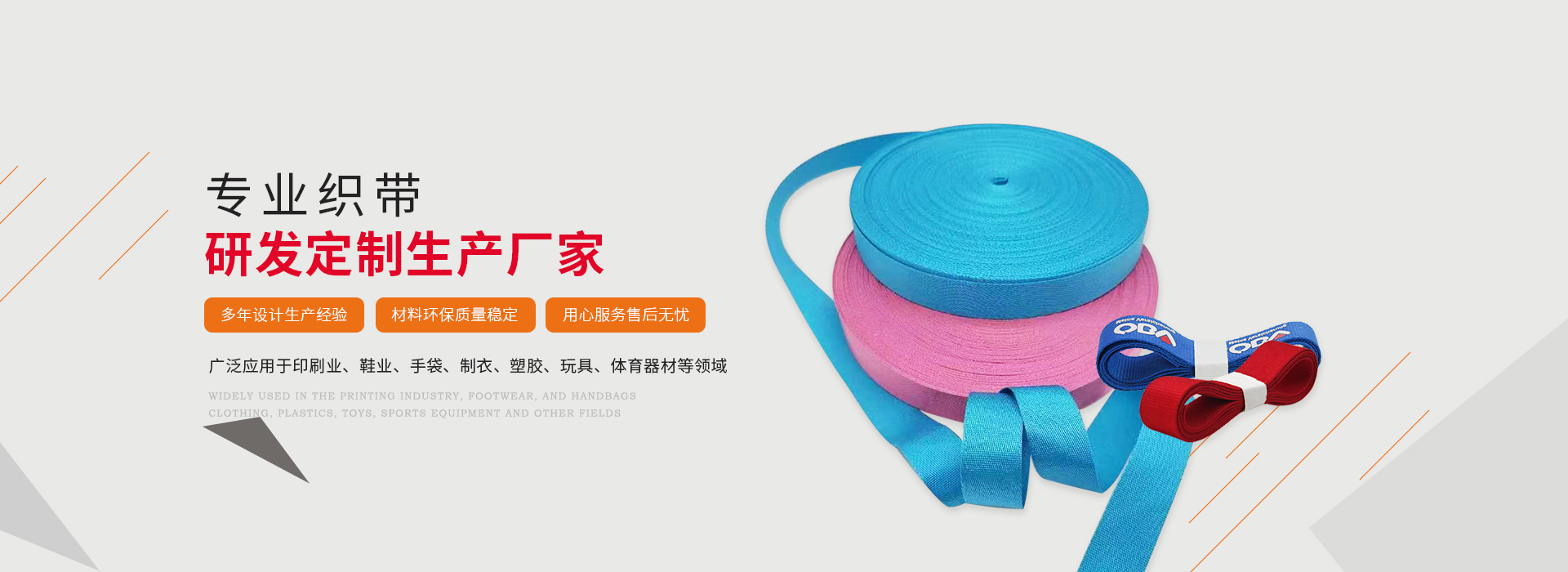
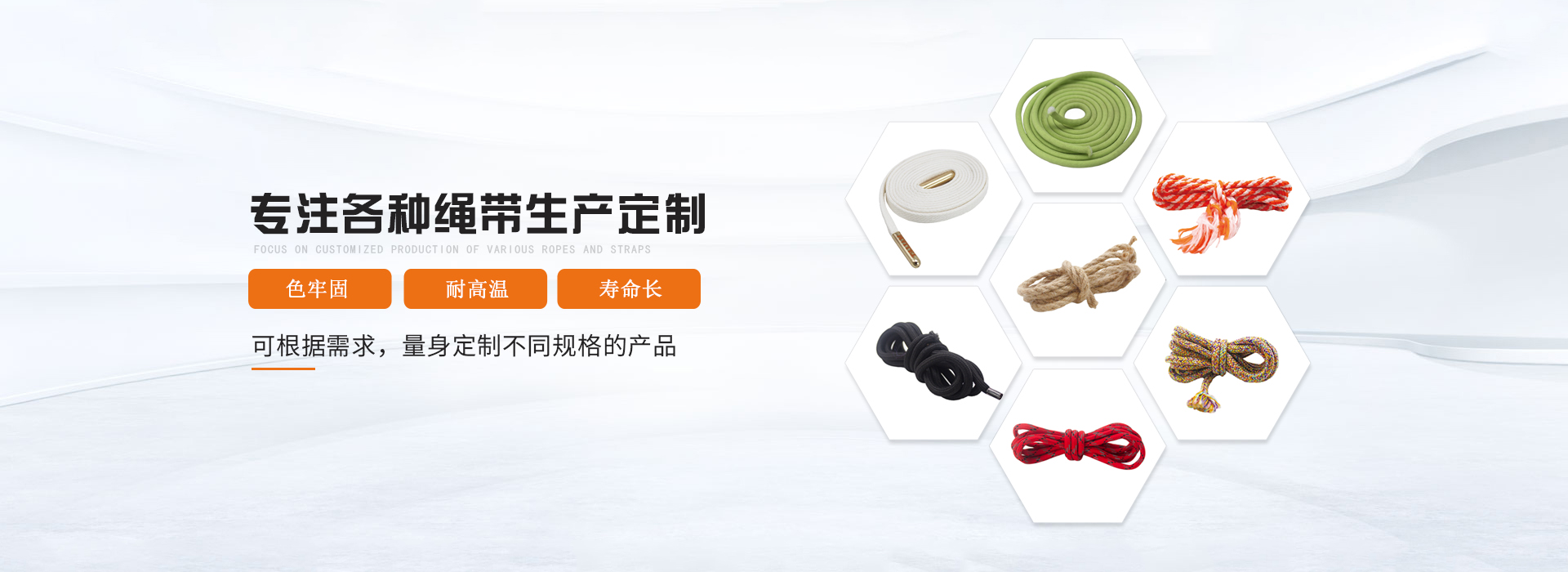
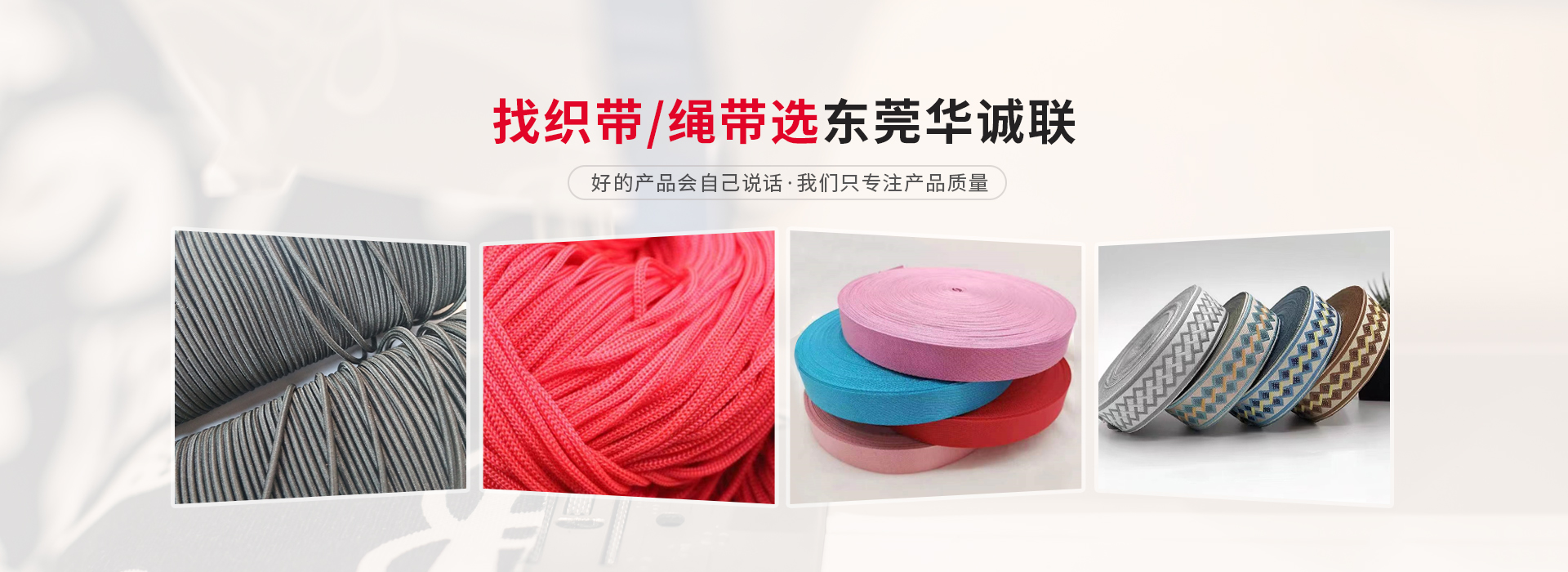

There are two primary methods for dyeing ribbons: one is the widely used dyeing (conventional dyeing), which involves treating nylon ribbons with a chemical dye solution. The other method is using paint, creating tiny, insoluble colored particles to adhere to the fabric (this does not include dyeing from the raw fiber material).
Dyes are relatively complex organic substances, and there are many different types of them.
Acid dyes are commonly used for protein fibers, nylon, and silk. They are characterized by vibrant colors, but poor washfastness, and excellent dry cleanability, making them widely used in natural dead dyeing applications.
2. Cationic dyes (alkaline dyestuffs) are suitable for acrylic, polyester, nylon, and both fiber and protein fibers. They are characterized by vibrant colors, making them ideal for synthetic fibers, however, they exhibit poor washfastness and lightfastness when used on natural cellulose and protein textiles.
3. Direct dyes are suitable for cellulose fiber ribbons, with poor wash fastness and varying lightfastness. However, modified direct dyes significantly improve the wash color fastness.
4. Disperse dyes are suitable for viscose, acrylic, nylon, polyester, etc., with varying wash fastness. Polyester webbing has good wash fastness, while viscose has poor wash fastness.
5. Azo dye (Naphthol dye) is suitable for cellulose fabrics, offering bright colors and is particularly well-suited for vibrant hues.
6. Reactive dyes are primarily used for cellulose fiber fabrics, less frequently for protein fibers. They are characterized by their bright colors, lightfastness, and good wash and abrasion resistance in nylon ribbons.
7. Sulphur dyes, suitable for cellulose fiber fabrics, are characterized by their muted colors, primarily indigo, black, and brown. They offer good lightfastness and wash resistance, but poor resistance to chlorine bleaching. Prolonged storage can damage the fibers in the fabric.
8. Reactive dyes are suitable for cellulose fiber fabrics, offering excellent lightfastness and washability, as well as resistance to chlorine and other oxidizing bleaches.
9. This paint is suitable for all fibers; it is not a dye but rather adheres to the fibers through mechanical attachment of resins. Dark fabric strips become harder, yet the color matching is precise. Most are well-resistant to lightfastness and have good washability, especially for medium and light colors.
