
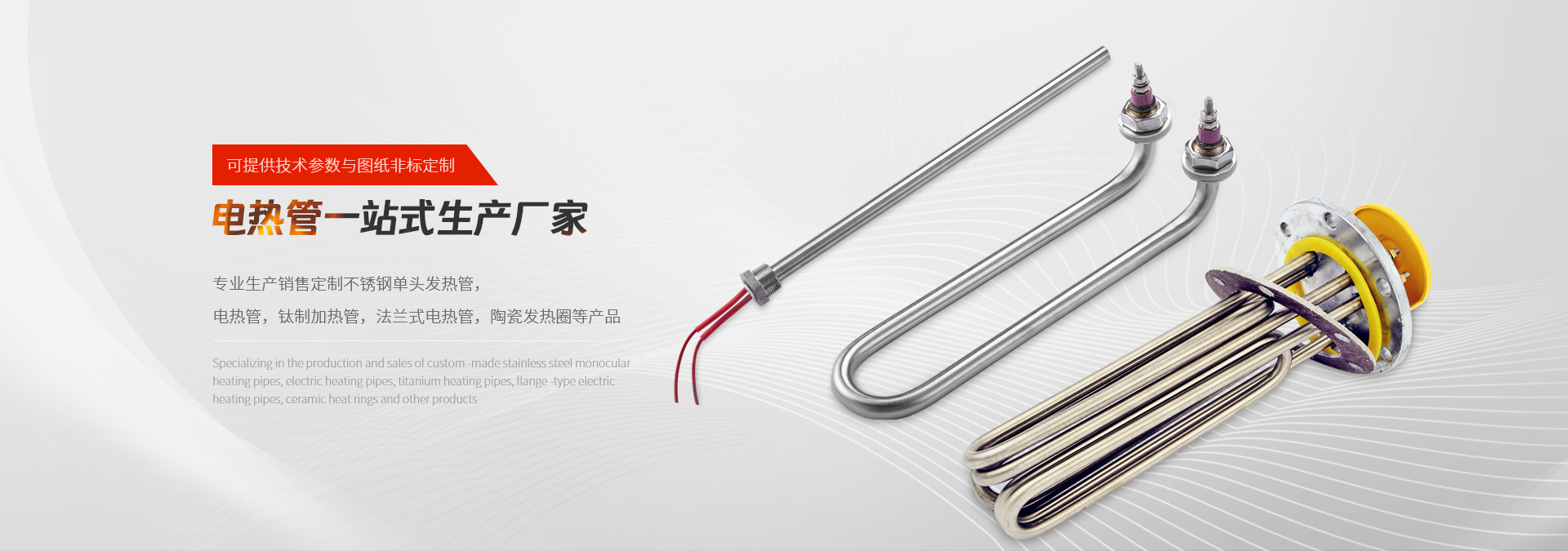
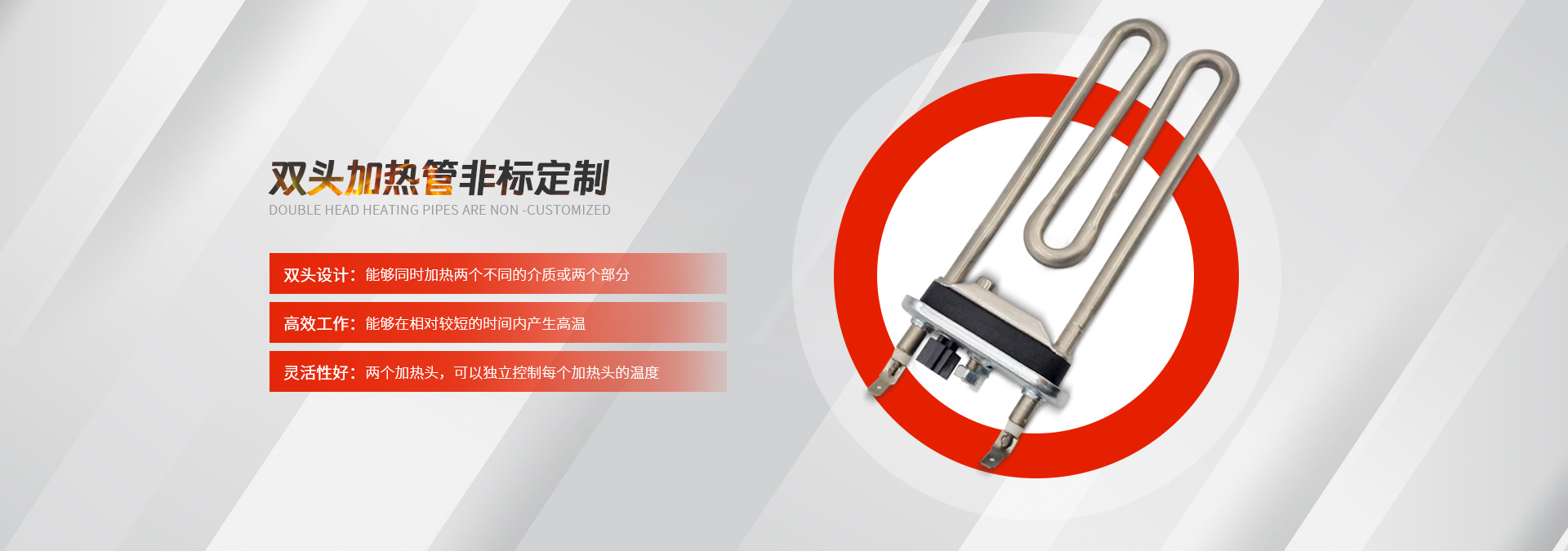
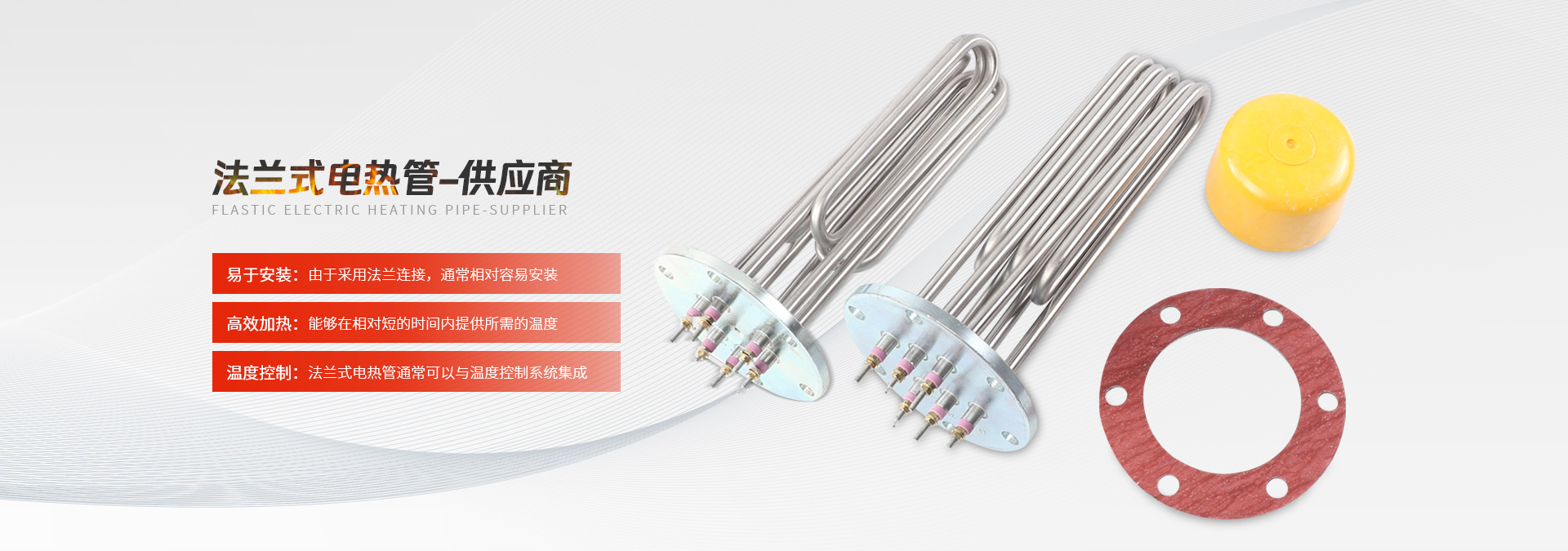

Advantages:
High-Efficiency Heating: The heating element converts electrical energy into heat rapidly, enabling quick heating and boasting high heating efficiency.
2. Corrosion Resistance: The stainless steel heating tube boasts excellent corrosion resistance, making it adaptable for use in various environments.
Uniform Heat Dissipation: The surface of the stainless steel heating tube is treated with a special process, enabling uniform heat dissipation and enhancing the product's thermal conversion efficiency.
4. Longevity: The stainless steel heating tube is made of high-quality stainless steel material, offering a longer lifespan, typically exceeding 10 years.
5. Pollution-Free: Electric heating tubes produce no smoke, odors, or other pollutants, posing no negative impact on the environment or human health.
6. Easy Installation: The electric heating tube has a compact size and simple structure, making it easy to install and maintain with relatively low costs.
Flaw:
High Energy Consumption: The power heating tube derives its energy from electricity, which is relatively expensive. Consequently, it leads to higher energy consumption costs over the long-term use.
2. Safety Hazard: Improper use of electric heating pipes may lead to fire and other safety accidents.
3. Grid Impact: The heating effect of the electric heating tube is affected by fluctuations in voltage and current of the power grid, which may impact its heating performance.
4. Limited Application Range: Electric heating pipes are suitable for low-temperature heating and are not effective for high-temperature heating, thus not applicable in certain fields (such as high-temperature melting, etc.).
In summary, heating tubes offer advantages such as high efficiency, corrosion resistance, and long lifespan. However, they also have drawbacks, including high energy consumption, safety hazards, and vulnerability to power grid fluctuations. Therefore, when selecting and using heating tubes, it is essential to weigh their pros and cons and choose based on actual needs.
