
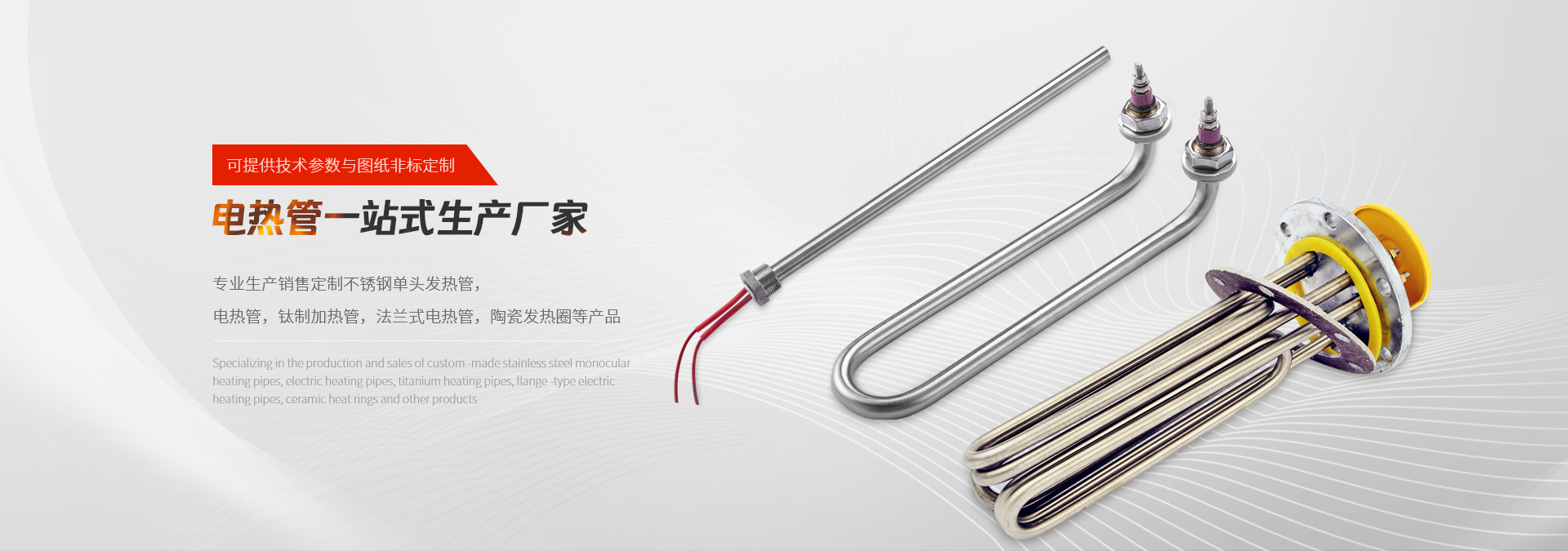
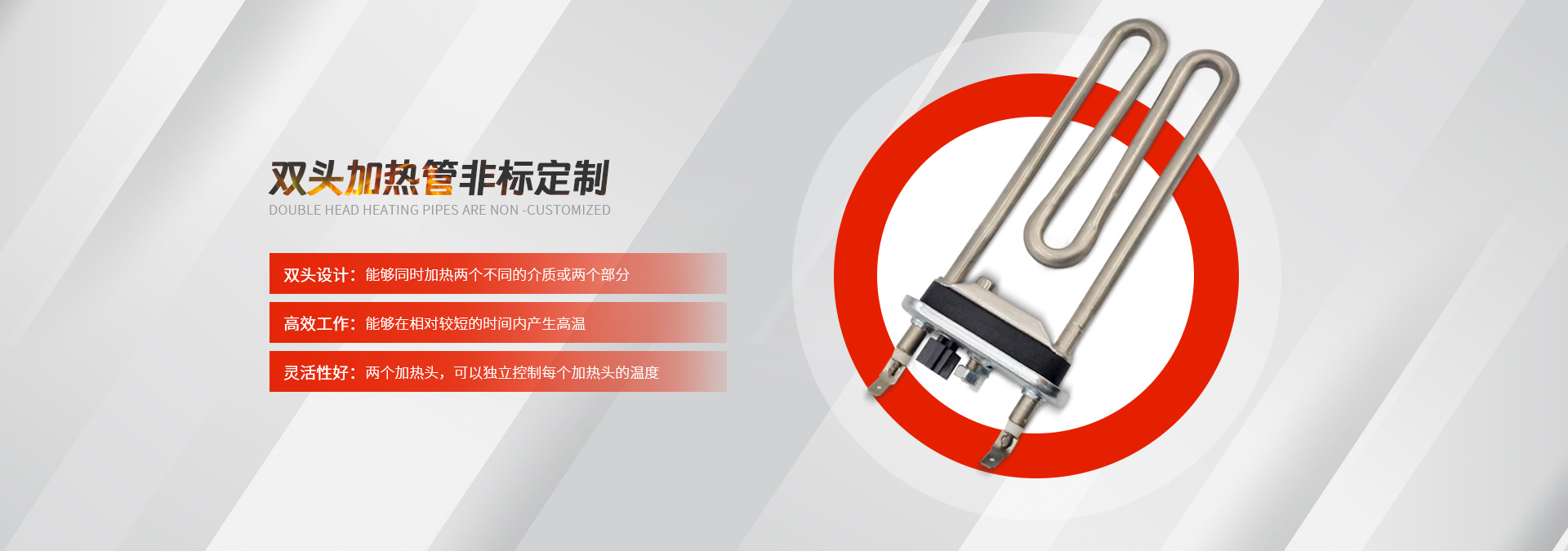
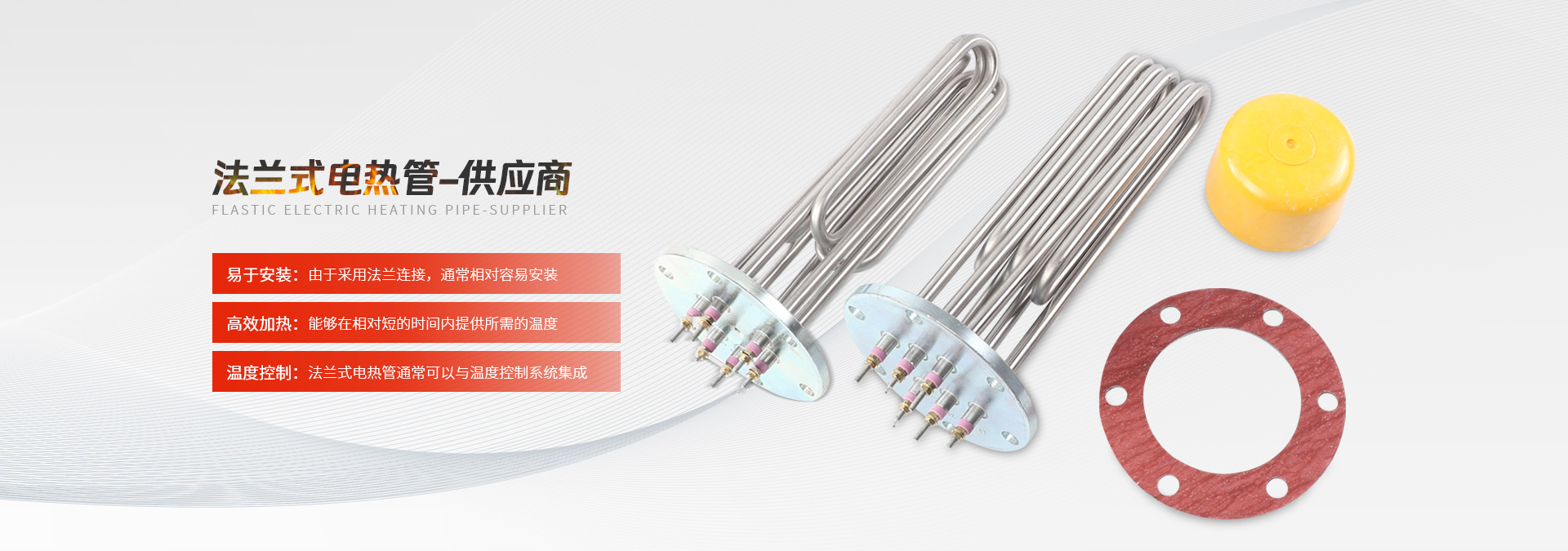
Common heating elements include electric furnace wire, silicon carbide rods, silicon aluminum rods, electric heating films, and so on.
Resistance Wire: The surface loading of resistance wire is high, with excellent anti-oxidation properties. The formed Al2O3 film after oxidation boasts good chemical resistance and high resistivity. It has high resistivity, good resistance to sulfur, high strength at high temperatures, is non-magnetic, and exhibits good corrosion resistance, excluding sulfur atmosphere.
2. Silicon Carbide Rods: Silicon carbide rods or tubes are recrystallized forms of silicon carbide. They are known for their high hardness, minimal deformation, resistance to thermal shock, non-reactivity with acidic substances, and anti-oxidation properties. They are used in box-type resistance furnaces operating at temperatures up to 1400 degrees. It is not recommended to mix new and old rods, as the resistance may increase over time. Replacement with new silicon carbide rods is necessary when required.
3. Silicon-Aluminum Rods: Made by powder metallurgy, these rods can form an oxide layer at high temperatures, which serves as a protective coating, making them resistant to oxidation and corrosion, suitable for use in box-type resistance furnaces at temperatures ranging from 1200-1800°C. The rods are hard and brittle at room temperature and require careful handling; above 1350°C, they soften and become ductile, so they should be kept away from the furnace chamber and bottom. When installing the rods, maintain a certain distance from both the chamber and the bottom. The rods have a certain resistance to rapid cooling and heating, with notable advantages including high heat generation temperature and the ability to mix old and new rods.
4. Electric Heating Film: A semi-transparent polyester film that heats up when powered, composed mainly of conductive synthetic resins, metal current-carrying strips, and insulating materials. Electric heating film is the primary choice for large-area heating, and it can also be used in electric heating evaporators, electric heating cookers, and more.
In summary, different types of heating elements are suitable for various applications and requirements. When selecting a heating element, it's essential to choose based on actual needs.