




 通过中商114认证
When processing stainless steel, we often encounter numerous issues, such as the rusting of stainless steel materials, which can be quite a headache. To better understand the reasons behind this problem, we will now share the principles behind the rusting of plate components in Jinan's stainless steel processing!
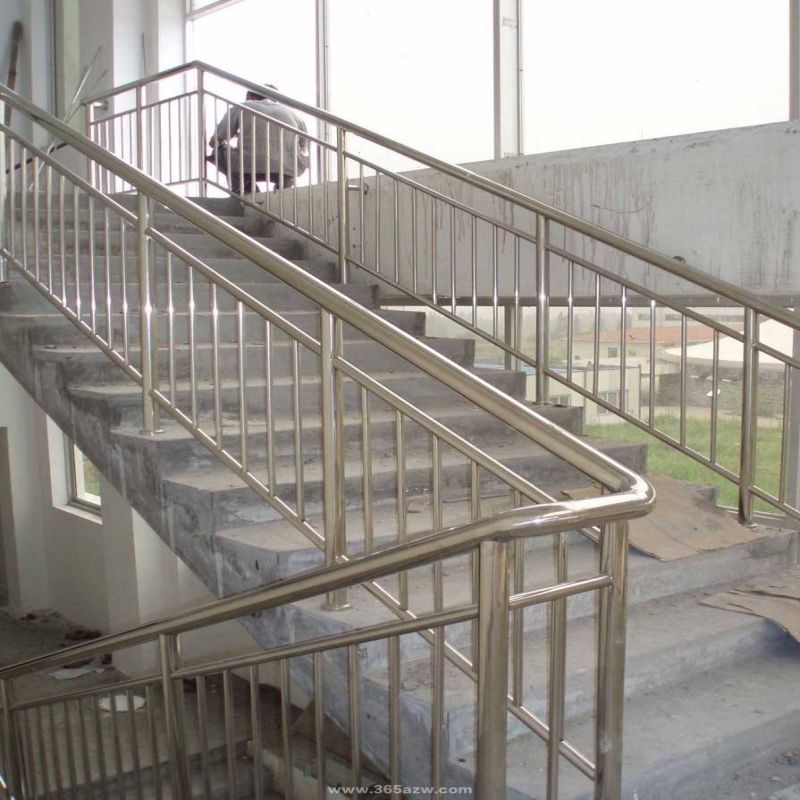
Chemical Corrosion and Surface Contamination: Under certain conditions, oils, dust, acids, bases, salts, and other contaminants adhering to the surface of workpieces can transform into corrosive agents. They react with certain components of stainless steel workpieces, leading to chemical corrosion and rust. Surface Scratches: Various scratches can damage the passivation film of stainless steel.
Stainless steel's protective ability is reduced, making it prone to react with chemical media, leading to chemical corrosion and rust. Cleaning: Acid pickling and passivation followed by inadequate washing results in residual liquid, directly corroding the stainless steel components (chemical corrosion). Electrochemical Corrosion of Carbon Steel Pollution: Scratches and corrosion media on carbon steel components create a galvanic cell, causing electrochemical corrosion.
Cutting: Rust-prone materials like chip and splash adhere to the corrosive medium, forming a galvanic cell and causing electrochemical corrosion. Sintering: The composition in the flame-heating zone and the change in microstructure are uneven, forming a galvanic cell with the corrosive medium, leading to electrochemical corrosion.
