




 通过中商114认证
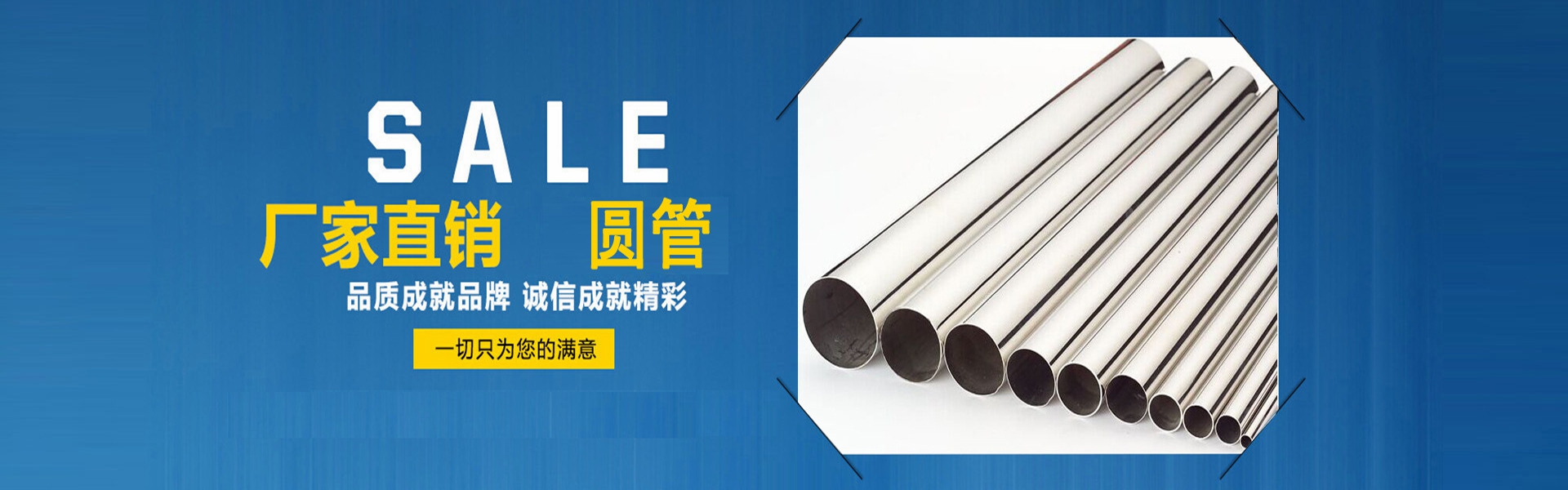
Stainless steel welded pipes are formed by rolling and welding stainless steel strips. They are a corrosion-resistant alloy steel with wide application in practice. The large stainless steel pipes we see on construction sites are all assembled by welding sections together. What techniques and considerations should be noted in welding?
Welding stainless steel pipes requires critical anti-oxidation measures. The process primarily involves meticulous maintenance work. Welding techniques can generally be categorized into manual and automatic welding. Manual welding is a widely used method, often seen in the vicinity. This method's arc length is manually adjusted by the operator, requiring a consistent welding speed.
Flow is one of the key factors determining the integrity of the welding point; the current should not be excessive and should be determined by the material size and thickness. Its drawback lies in the high requirements for personnel operation, necessitating a solid foundation in craftsmanship. Another option is automated welding, which, simply put, relies on machine assistance to complete the process. It offers fast welding speeds, stable quality, low spatter rates, and high intelligence, making it highly suitable for use in large-scale projects.
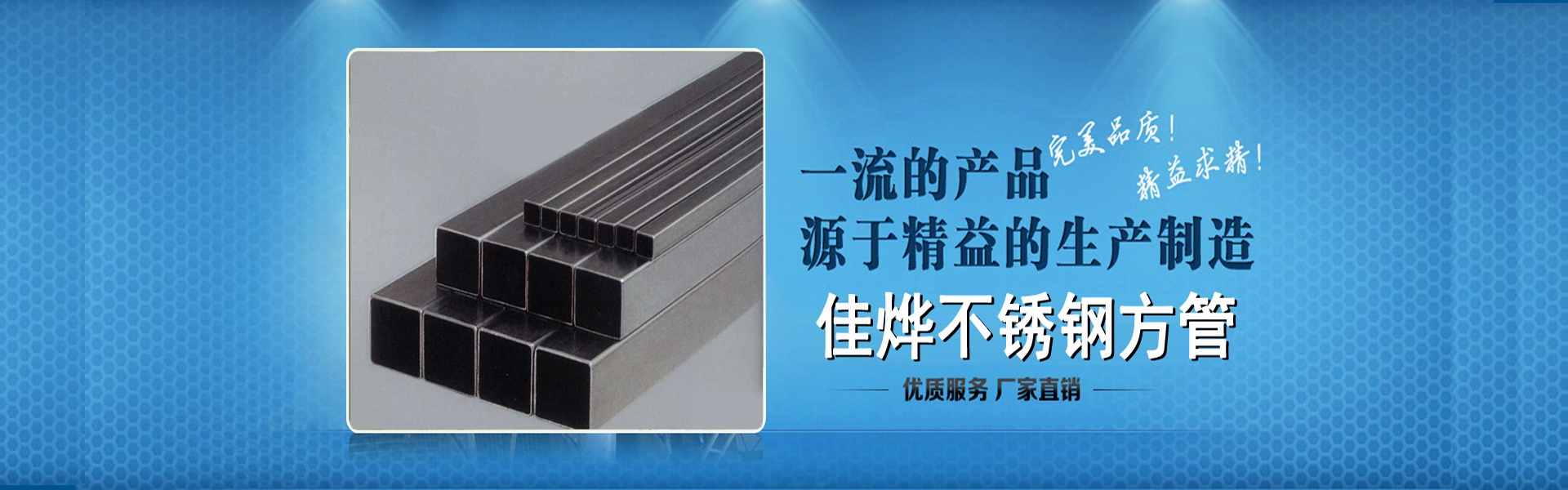
Welding Stainless Steel Square Tubes: How to Weld 0.7mm Stainless Steel Square Tubes Connect the welding machine and argon gas cylinder, the pressure gauge, and the three-phase power supply. Connect the water tank and prepare the气管, argon gas cylinder, and pressure gauge for use. The welding current and amperage are sufficient. Prepare the stainless steel tube by beveling the ends and removing burrs for later use. Open the argon gas cylinder, insert one end of the气管 into the stainless steel tube, and use the argon to purge the air inside the tube.
