
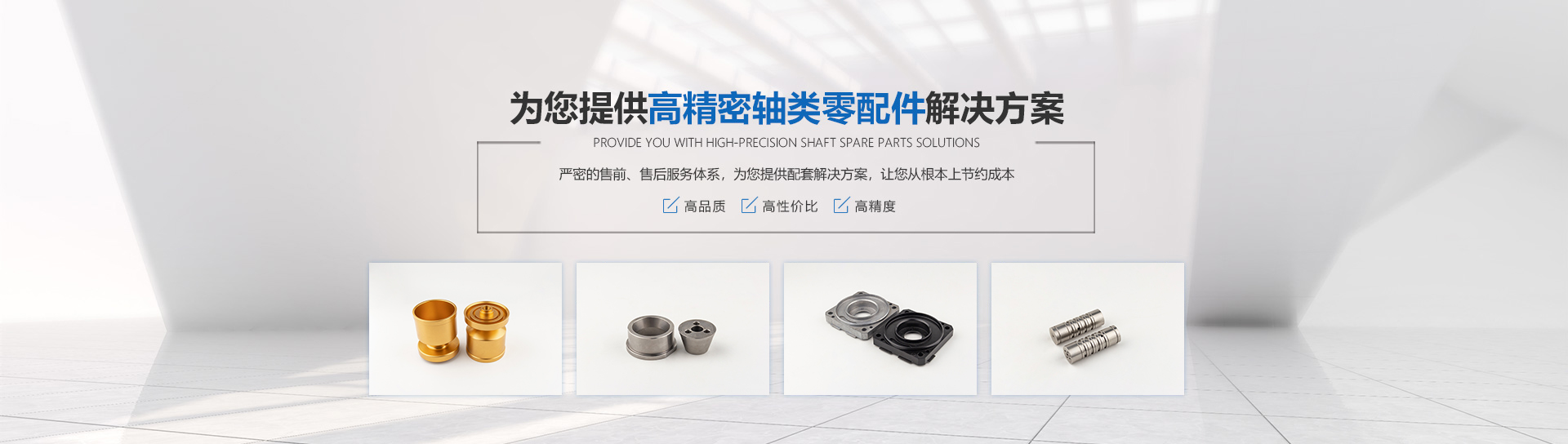
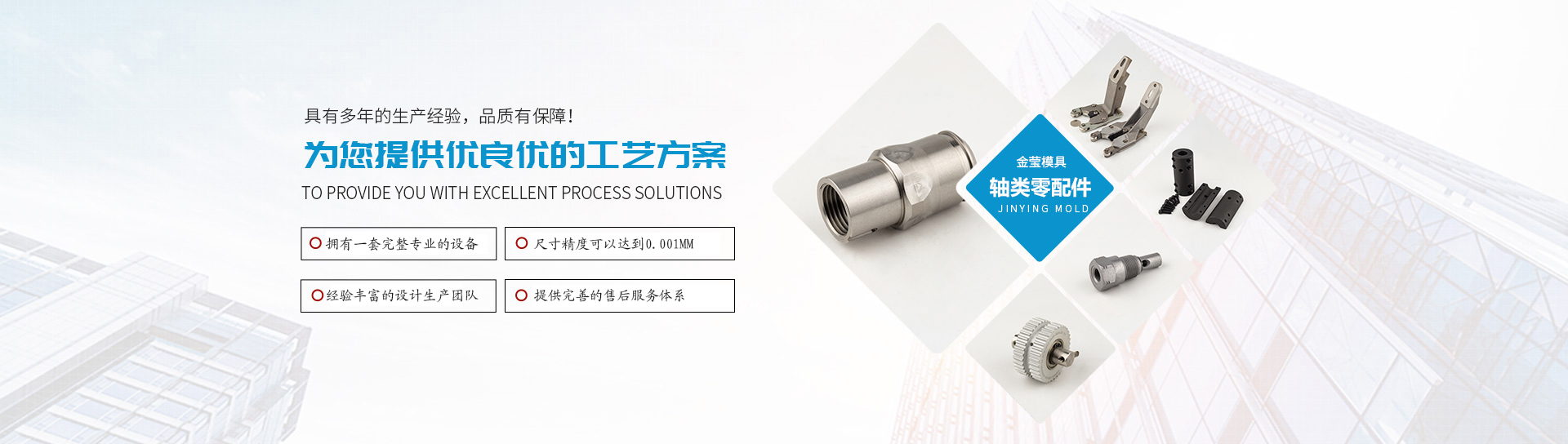
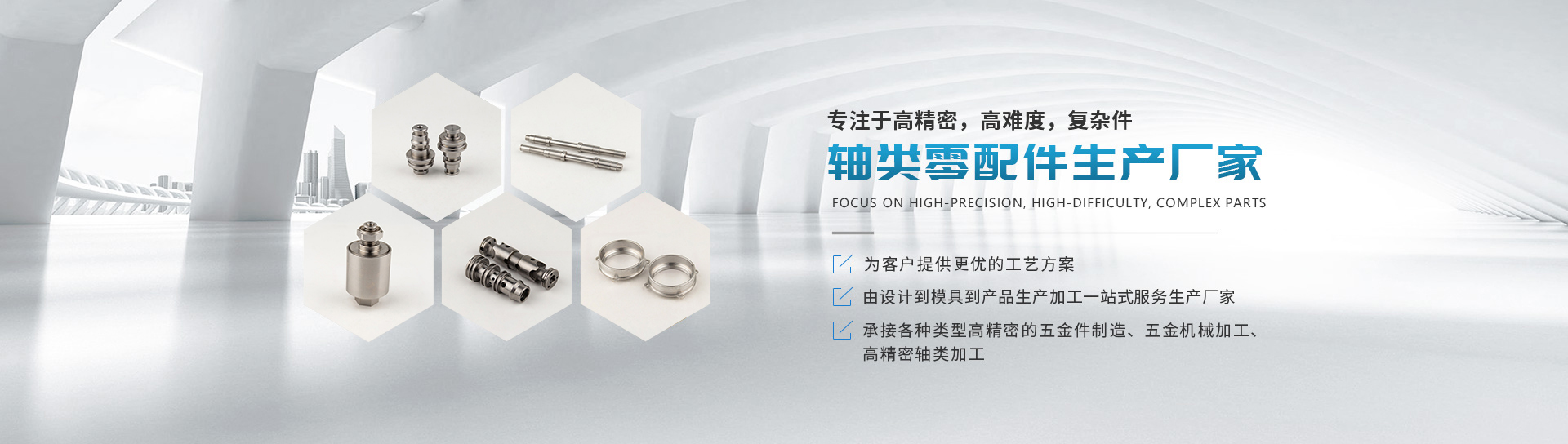
Numerical control machining is the process of controlling the manufacturing and processing of parts and products with computers. Numerical control machining involves the use of computer numerical control machines, which automatically remove excess material from a part of the material and adjust it into a workpiece for processing. Typically, we can use various types of metal materials. Once the material removal is complete, the product is produced, a process known as subtractive manufacturing. To better perform numerical control machining, computer applications are used to control the movement of the machine.
Numerical Control Machine Tools include common types such as milling, turning, electrical discharge machining, and grinding. During the milling process, rotating tools are used on the surface of the workpiece, moving along the axis. Essentially, cutting or trimming can quickly handle complex precision parts. In turning operations, lathes are used to produce parts with cylindrical features. The workpiece rotates on the axis in contact with the precise turning tool, creating circular edges, radial and axial holes, and grooves. Compared to traditional manual motor machining, numerical control processing is much faster. With correct computer coding, designs are accurate, and finished product dimensions have high precision, resulting in minimal error. It can be used for manufacturing products and components, but is generally cost-effective only in low-volume, short-term production, making it an ideal choice for rapid prototyping manufacturing.
However, CNC machining is not all-encompassing and does come with its limitations and challenges. For instance, processing certain specialized materials, such as ceramics or composites, can present greater difficulties. Additionally, the initial and maintenance costs of CNC machining equipment are high, and it requires skilled operators. Therefore, when choosing CNC machining, various factors must be considered, including the material to be processed, equipment costs, and operator skills. Moreover, as technology continues to evolve, CNC machining is also advancing and innovating. For example, additive manufacturing technologies, also known as 3D printing, have started to gradually replace traditional subtractive manufacturing techniques. This technology creates three-dimensional objects by layer-by-layer material accumulation, offering greater flexibility and creativity, and providing more options for manufacturing complex parts.
In summary, CNC machining is an efficient manufacturing technique, particularly suitable for producing complex components. However, it does come with its limitations and challenges, which require a comprehensive consideration of various factors. In the future, as technology continues to evolve, CNC machining will also keep innovating and developing, bringing more possibilities and opportunities to the manufacturing industry.