

After prolonged operation, it is inevitable that wear occurs in the equipment's structure, whether embedded or external components like belts and blades. Failure to promptly dismantle and replace them can lead to increased gaps between parts, ineffective sealing, loosened joints, disturbed adjustments, and a lack of precision, which will accelerate the wear, corrosion, vibration, and aging of the components.
The shell insertion machine gradually forms and demonstrates itself over long-term application. The protective utility of the shell insertion machine equipment can reduce part wear, but it cannot prevent issues. Therefore, the aforementioned loss is also considered normal during regular operation.
Due to the lack of understanding of operational protocols among staff, limited knowledge of equipment protection, especially among short-term hires with low skill levels, improper equipment operation, inadequate attention to equipment adjustment and protection, and a tight schedule that prioritizes progress, machinery and equipment continue to operate under overloaded or "sick" conditions. This leads to traffic violations and accelerates the wear and aging of the shell insertion machine equipment.
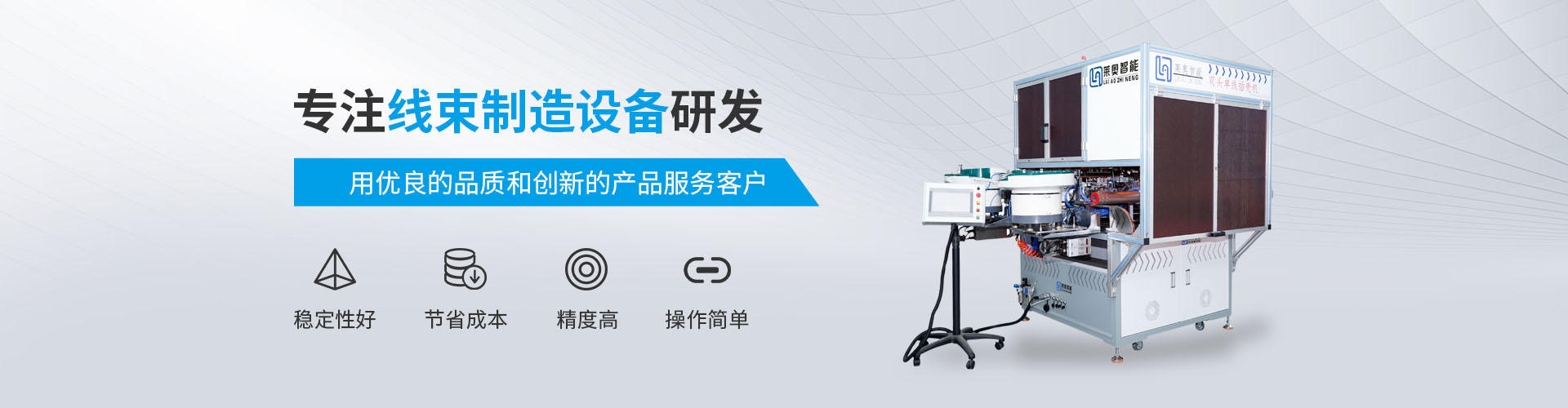
Typical components of shell-inserting machine equipment include: transmission belts, blade heads, iron clamps, heating tubes, and thermistors, etc. Reliable shell-inserting machine manufacturers will inform customers of the easily replaceable parts of the equipment, enabling them to operate the machine more intuitively based on these components, thereby enhancing the protection and operational efficiency of the shell-inserting machine.