
Common Wiring Issues with Socket Machines & Methods to Extend Their Lifespan_News Center Co., Ltd._Dongguan Leo Intelligent Technology Co., Ltd.
Dongguan Leo Intelligent Technology Co., Ltd.

Focused on the research and development, as well as sales of wire harness man...

Consultation Hotline
17817099416

Product Categories

Contact Information
  • Contact person:刘经理
  • Telephone:17817099416
  • Mobile:17817099416
Home > News Center Co., Ltd. > Common Wiring Issues with Socket Machines & Methods to Extend Their Lifespan
News Center Co., Ltd.
Common Wiring Issues with Socket Machines & Methods to Extend Their Lifespan
Publish Time:2025-02-26        View Count:17        Return to List

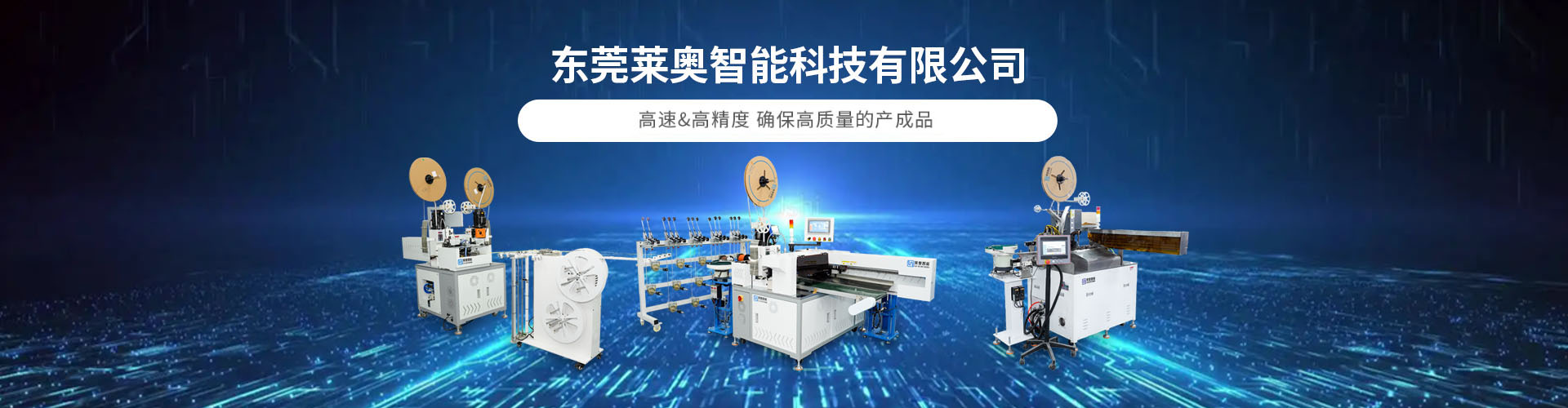
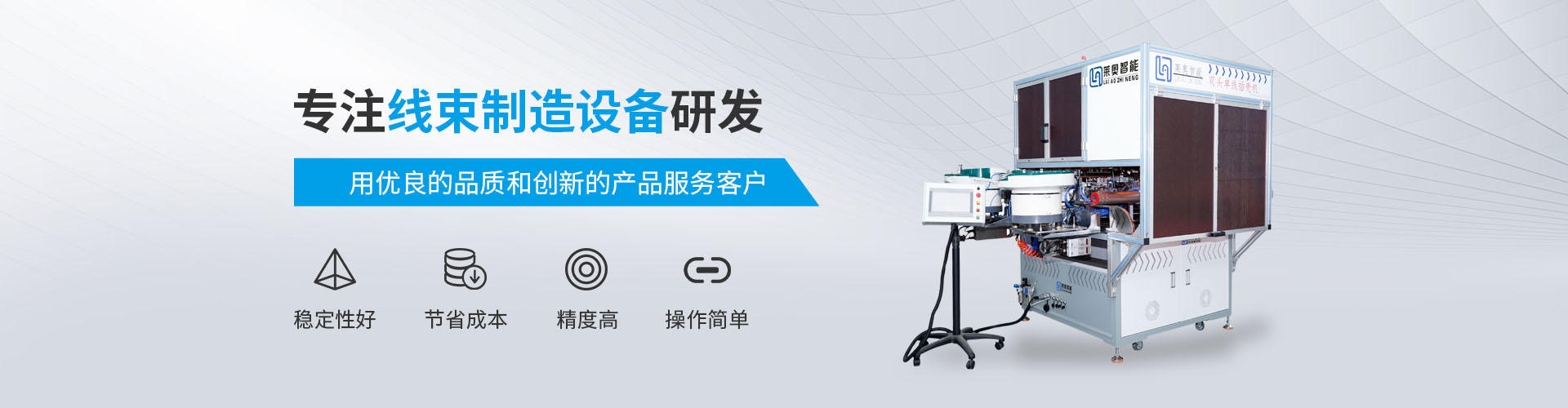
The Automatic Shell Inserting Machine is a machine used for wire processing, also known as the Automatic Wire Stripping and Crimping Machine. It's a new type of equipment that has emerged in recent years, integrating feeding, cutting, stripping, and crimping into a multifunctional unit. What are the common wiring issues with automatic crimping machines and how can their lifespan be extended? Let's find out below.

Common Wiring Issues with Automatic Terminal Machines

Fixed defects: In fact, insulators not only provide insulation but also offer highly accurate neutralization for contacting devices. They also function in installation positioning and securing to the equipment. Poor fixation can result in minor issues like intermittent power outages due to unreliable contact reliability, and in severe cases, it may lead to product disassembly due to unreliable design, incorrect material selection, and inappropriate molding process choices.

Insulation Defects: Due to metallic excess, surface dust, and soldering flux contamination on the surface and inside the automatic terminal machines of the terminal manufacturer, moisture has caused organic material sediments and harmful gas adsorption films to merge with the surface water film, forming ion-conductive paths, moisture absorption, mold growth, and aging of the insulation material. These factors lead to insulation defects such as short circuits, low insulation resistance, leakage, and breakdown. The primary function of the insulator is to maintain the correct alignment of contact pieces, protecting the insulation between contact pieces and the housing. Therefore, insulators must possess excellent electrical properties, especially with the widespread use of high-density and miniature terminal connectors, where the effective wall thickness of the insulators becomes thinner. This demands stricter requirements for mold precision and manufacturing processes.


 Click submit means you agree to《Service terms》《Privacy policy》

17817099416