
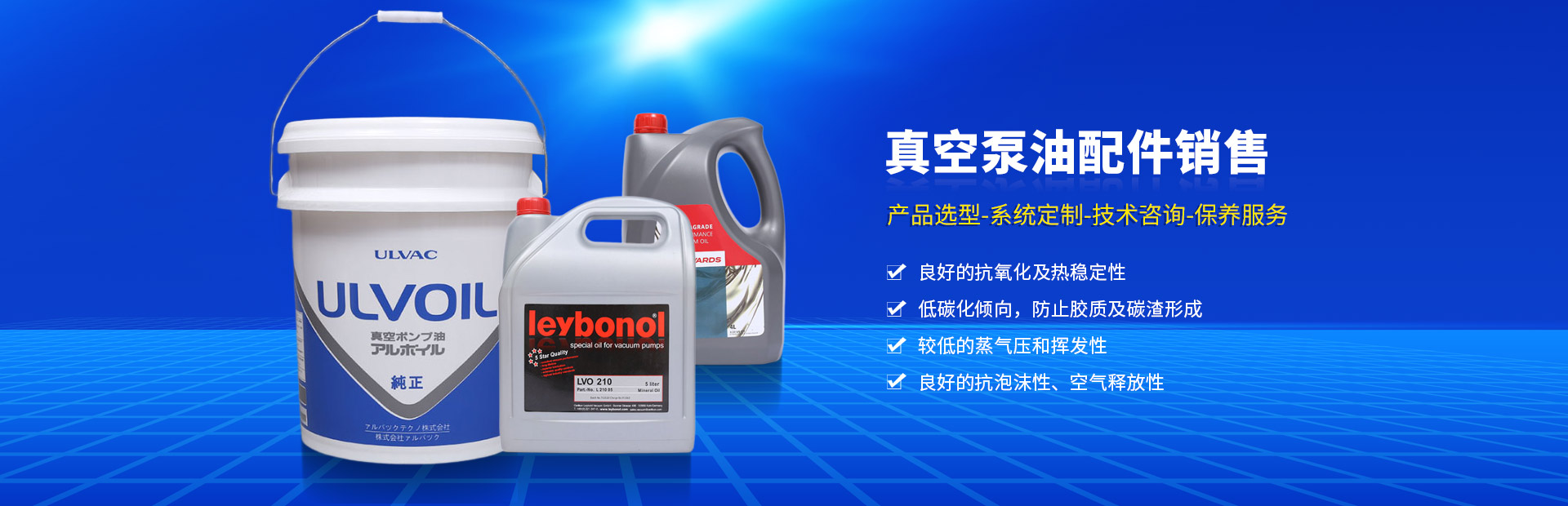

Vacuum pumps refer to equipment that uses mechanical, physical, chemical, or physical-chemical methods to evacuate air. In layman's terms, a vacuum pump is a device that improves, creates, and maintains vacuum conditions within enclosed spaces using various methods. During the use of vacuum pump oil, due to oxidation, emulsification, and the admixture of various impurities from the outside, some of the oil undergoes changes over time. When the level of impurities reaches a certain point, the oil's color changes, and its viscosity and acidity increase. The separation of insoluble resin-like substances leads to an increase in the vapor pressure of the vacuum pump oil, resulting in functional degradation.
The pump oil cannot be used continuously at this time. It is necessary to replace with new pump oil. Generally, it should be avoided to mix vacuum pump oil.
A variety of different types of trademarks, from various manufacturers, and new and old pump oils mixed together.
B. Vacuum pump oil can be mixed under the following conditions:
(1) Products of the same quality and similarity from the same manufacturer are used, or poor-quality pump oil is mixed and still used in the original equipment.
(2) Same manufacturer, same equipment. Different brands of products can be mixed when the physical and chemical properties of the oil pump, such as viscosity, need to be adjusted.
(3) For different types of hydraulic oils, if it is known that two mixed oils are added without any additives, or one of them is not, it is generally possible to blend the two oils with additives without any reaction between them, although this will reduce the quality of the hydraulic oil. When replacing the empty hydraulic oil with another component of a vacuum pump, the pump should be disassembled and thoroughly cleaned. Each part must be immersed in the substitute oil to prevent contamination.
