
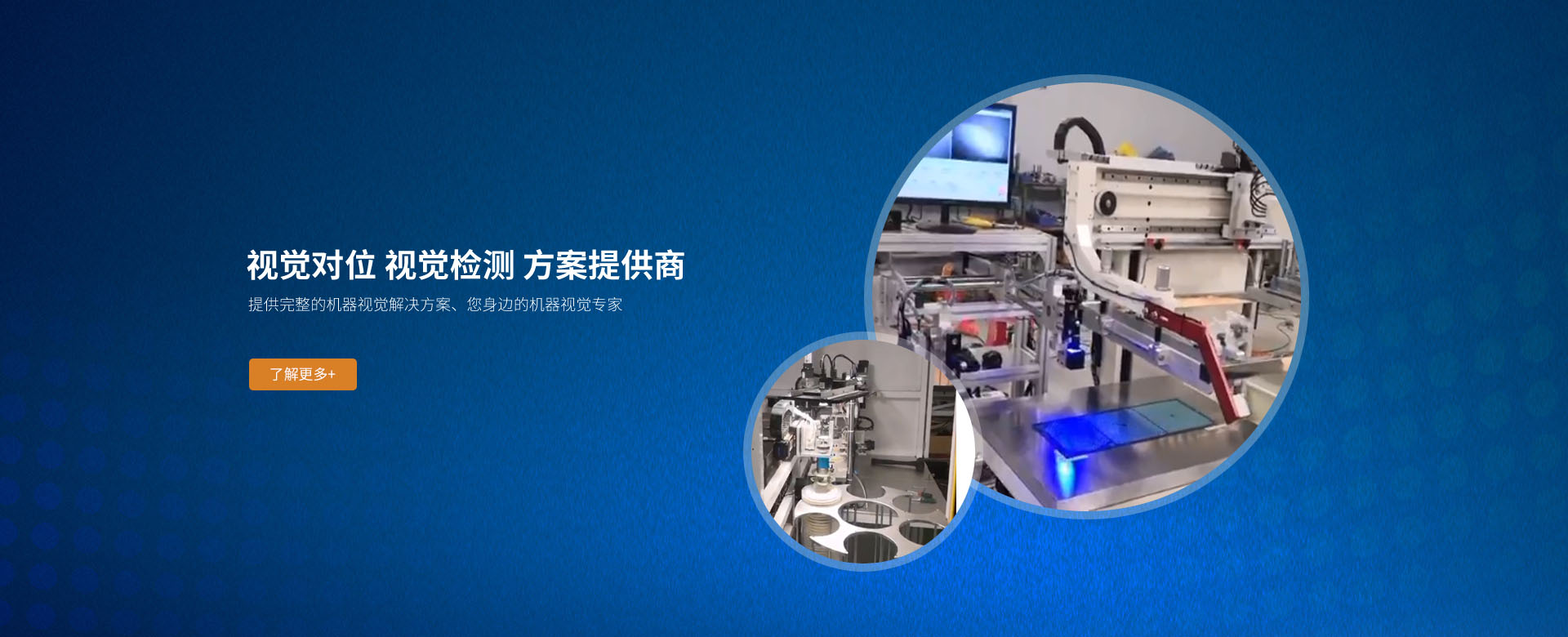
As the era of Industry 4.0 approaches, the role of machine vision in the intelligent manufacturing sector is increasingly significant. Machine vision is a discipline technology, widely applied in industrial fields such as production and manufacturing inspection, to ensure product quality, control production processes, and perceive the environment. A machine vision system converts captured targets into image signals, which are then transmitted to an image processing system. Based on pixel distribution and information such as brightness and color, these signals are transformed into digital data. The image system performs various calculations on these signals to extract the features of the target, and then controls the on-site equipment actions based on the discriminant results.
As automation technology surges in China, there's a deeper understanding and significant shift in perception towards machine vision. Machine vision systems have enhanced production automation, making it feasible to handle hazardous environments unsuitable for human labor, and have turned mass and continuous production into a reality, greatly improving efficiency and product precision. Their ability to quickly gather and process information also facilitates information integration in industrial production. With the maturity and development of machine vision technology, its wide application range is evident. Based on these fields, we can roughly summarize five typical applications of machine vision, which also essentially outline the role machine vision technology can play in industrial production.
1. Image Recognition
Utilizing machine vision to process, analyze, and understand images in order to identify various patterns of targets and objects. A typical application of image recognition in the machine vision industry is the identification of QR codes, which are a common type of barcode we encounter daily. A vast amount of data information is stored in these tiny QR codes, and products are tracked and managed through barcodes. With the machine vision system, it is convenient to recognize and read barcodes on various materials, significantly enhancing the efficiency of modern production.
2. Image Detection Application
Inspection is one of the primary applications in the machine vision industry, as nearly all products require it. Manual inspection, however, has numerous drawbacks, including low accuracy and an inability to maintain accuracy over extended periods. Additionally, it is slow, which can significantly impact the efficiency of the entire production process. Consequently, machine vision is extensively used in image inspection applications.
3. Visual Positioning Applications
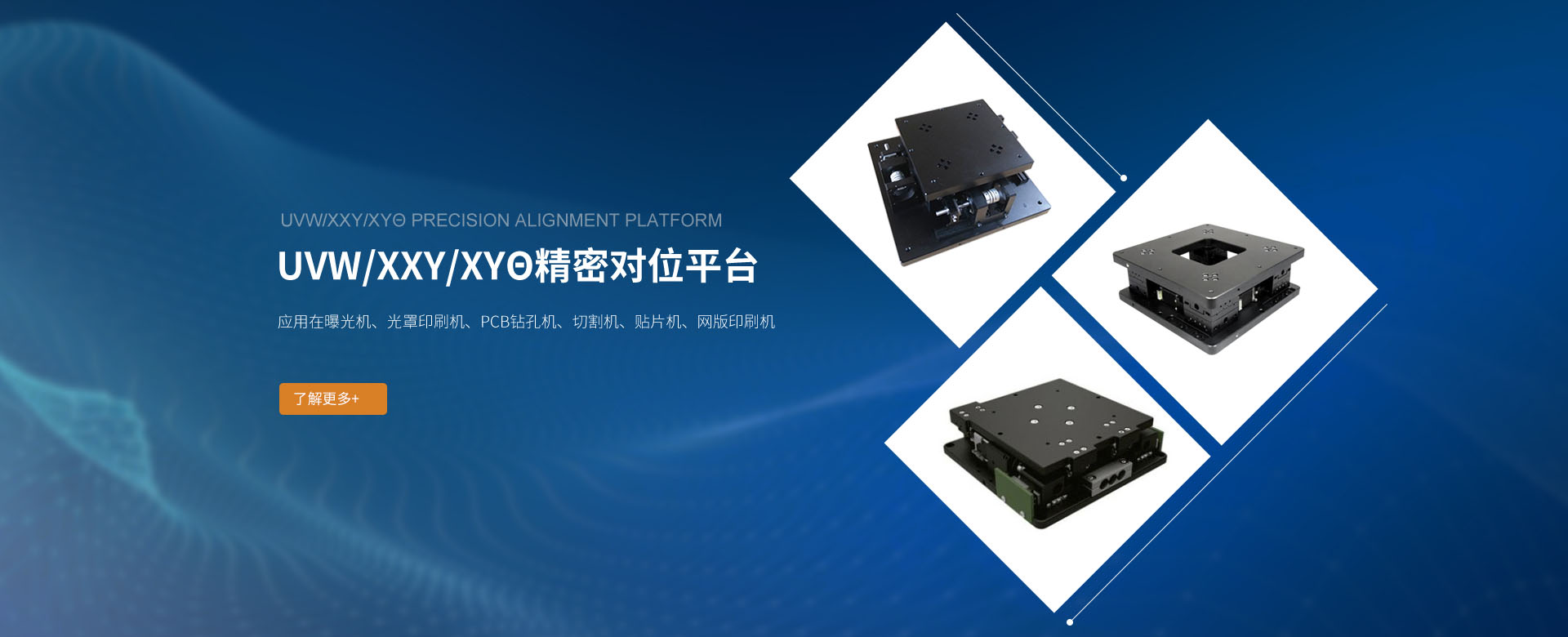
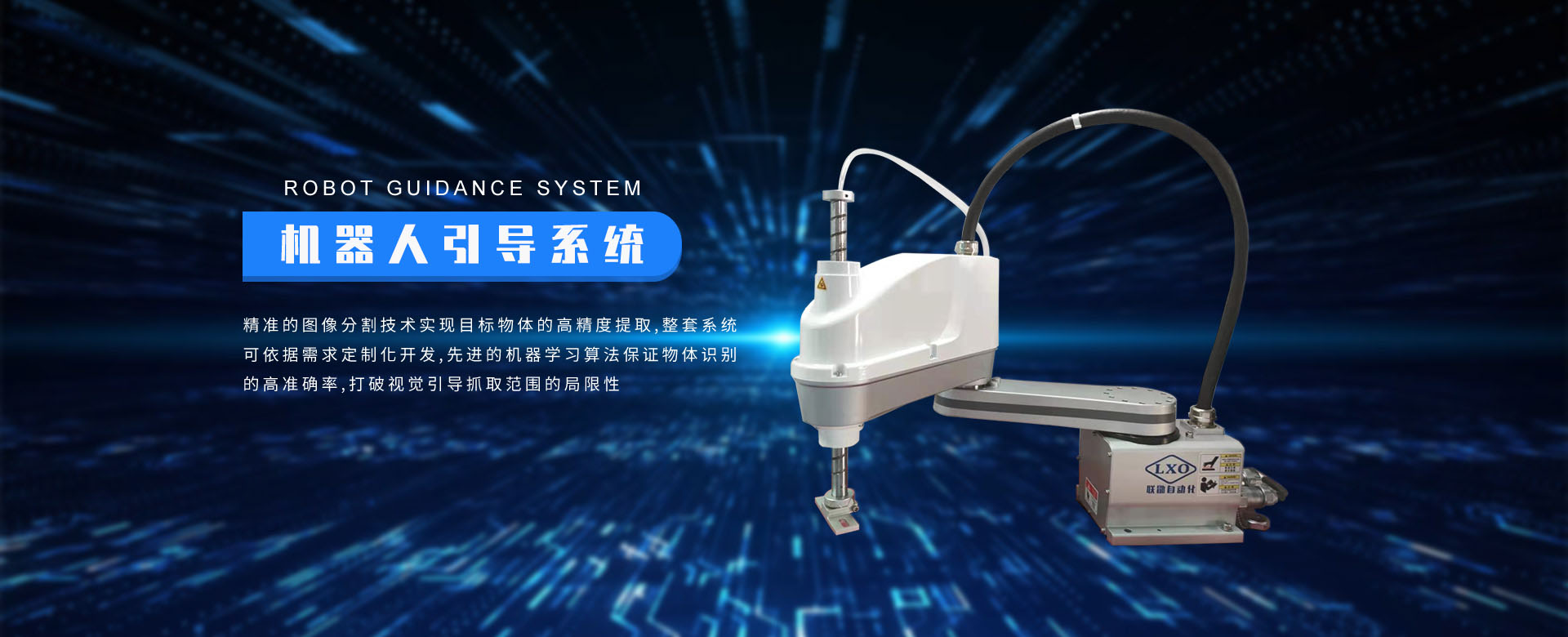
Visual positioning requires that machine vision systems can quickly and accurately locate the measured parts and confirm their positions. In the semiconductor packaging field, the equipment needs to adjust the pick-up head based on the chip position information obtained from machine vision, accurately pick up the chips, and perform bonding. This is the basic application of visual positioning in the machine vision industrial field.
4. Object Measurement Applications
The hallmark of machine vision industrial applications is their non-contact measurement technology, which boasts high precision and speed, while also being non-abrasive to eliminate the potential for secondary damage that can occur with contact measurements. Common measurement applications include gears, connectors, automotive components, IC component pins, spiral drills, and thread inspections, among others.
5. Object Sorting Application
Object sorting applications are a step following identification and detection, utilizing machine vision systems to process images for sorting purposes. Commonly employed in industrial machine vision applications, they are often used for food sorting, automatic sorting of surface defects on parts, and cotton fiber sorting.