
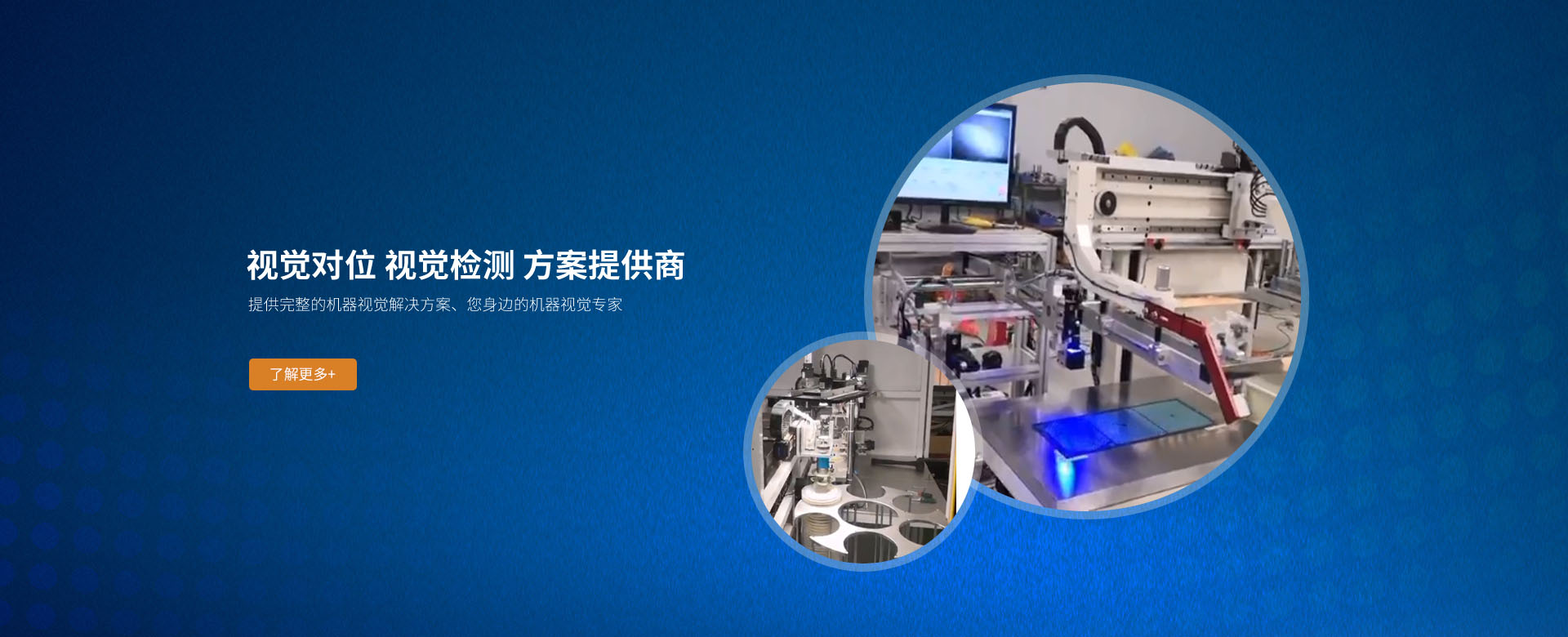
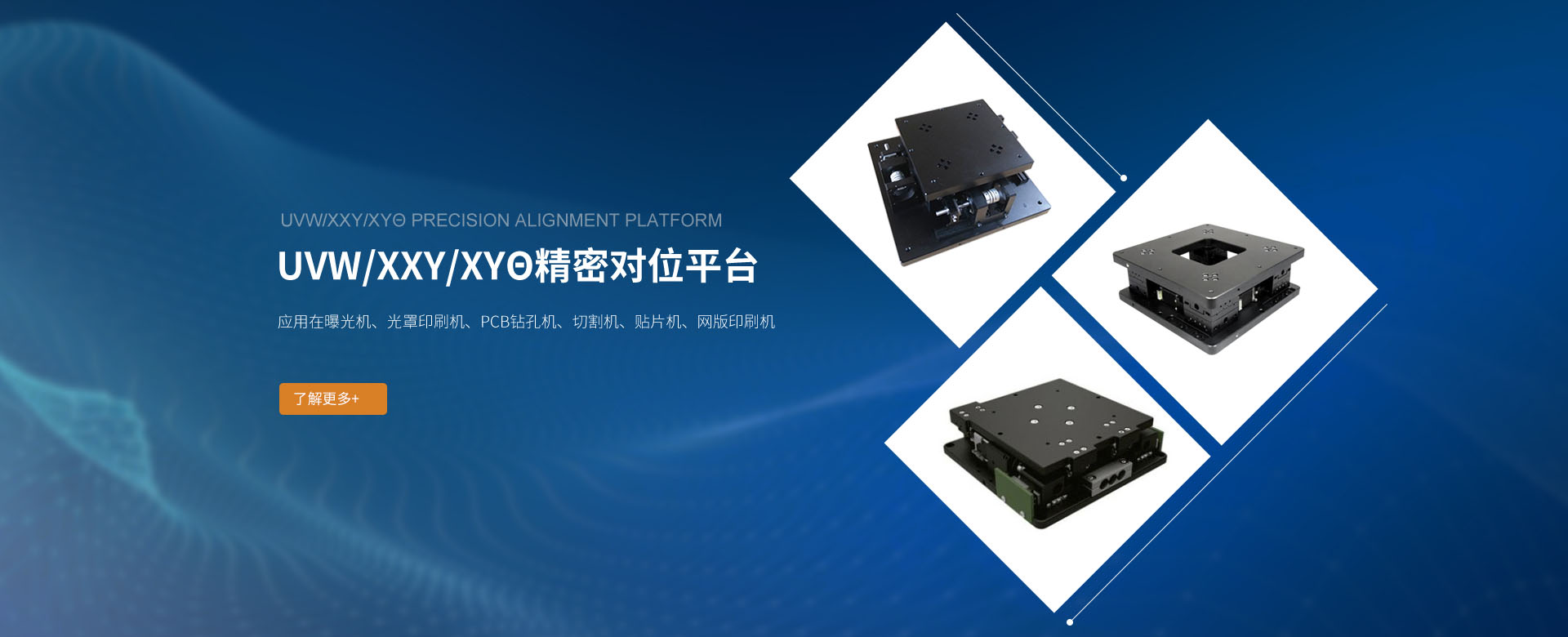
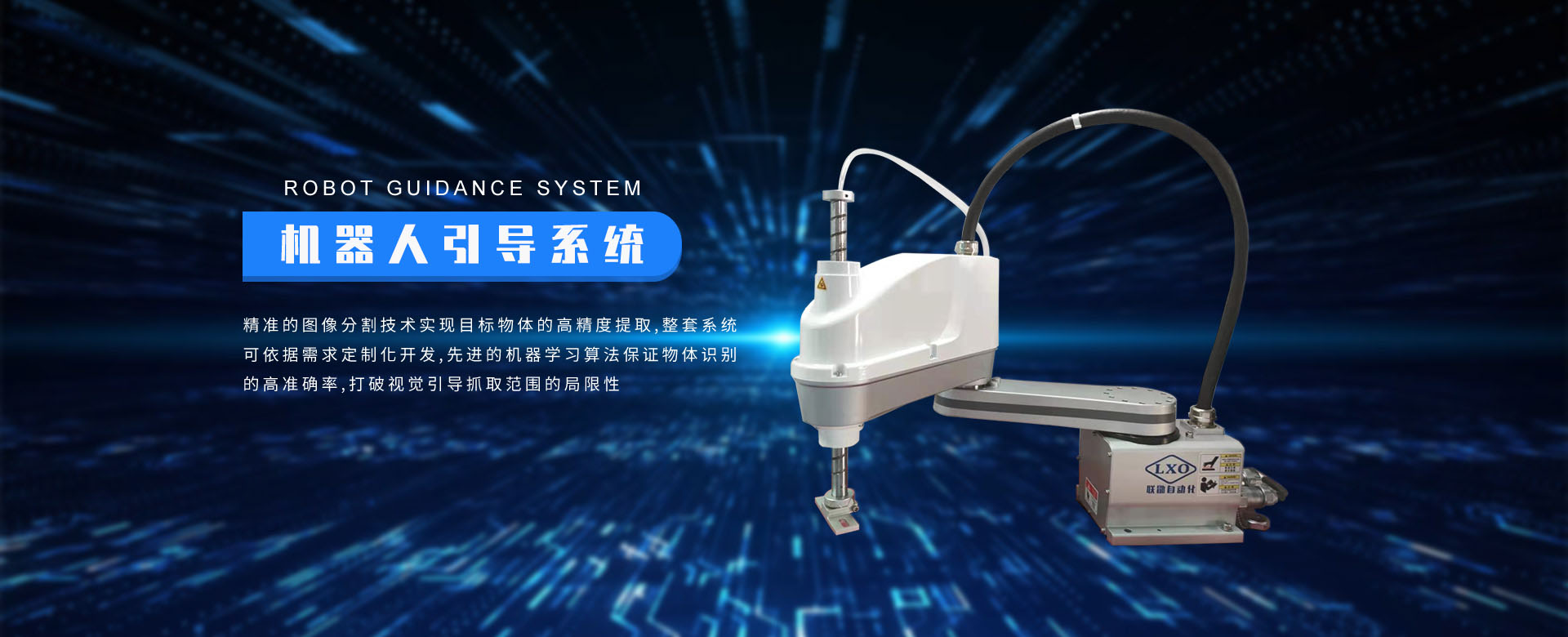
Let's take a look at the advantages of machine vision inspection:
Machine vision employs non-contact detection.
For the system, contactless detection can avoid product damage caused by contact-based detection, thereby enhancing the system's reliability.
2. The machine vision system has a relatively broad spectral response range.
3. Long-term Stable Employment
Due to the fatigue that production operators experience from long hours of work, their manual visual quality and efficiency are low and prone to errors, whereas machine vision systems can enhance production efficiency and achieve a higher degree of automation.
4. From a cost perspective
Training a proficient operator requires time, effort, and money, especially in cases where human labor may not always be the best option. In contrast, a machine vision system, once properly designed, systematized, and software is written and debugged, can run continuously for long periods of operation.
5. The system is adaptable for special industrial settings
In certain scenarios, such as in specialized industrial environments like welding and construction monitoring, manual visual inspections can be hazardous. Machine vision, to some extent, effectively mitigates these risks.
Drawbacks of Machine Vision Systems:
Yina Optical Imaging: Not all products are detectable
Image processing depends on optical imaging, and whether the features to be detected are presented. Due to the singularity of a single system, for defect detection systems, customers may propose dozens of detection requirements, but not all of them can be presented in the image, which relies on the imaging characteristics of the image.
2. Complex Machine Vision Systems
Machine vision systems are a bit more complex compared to those without, and the system costs are relatively higher (unless it's in large quantities). These systems integrate optics, mechanics, electronics, software, algorithms, and more, demanding a high level of comprehensive skills from professionals.