
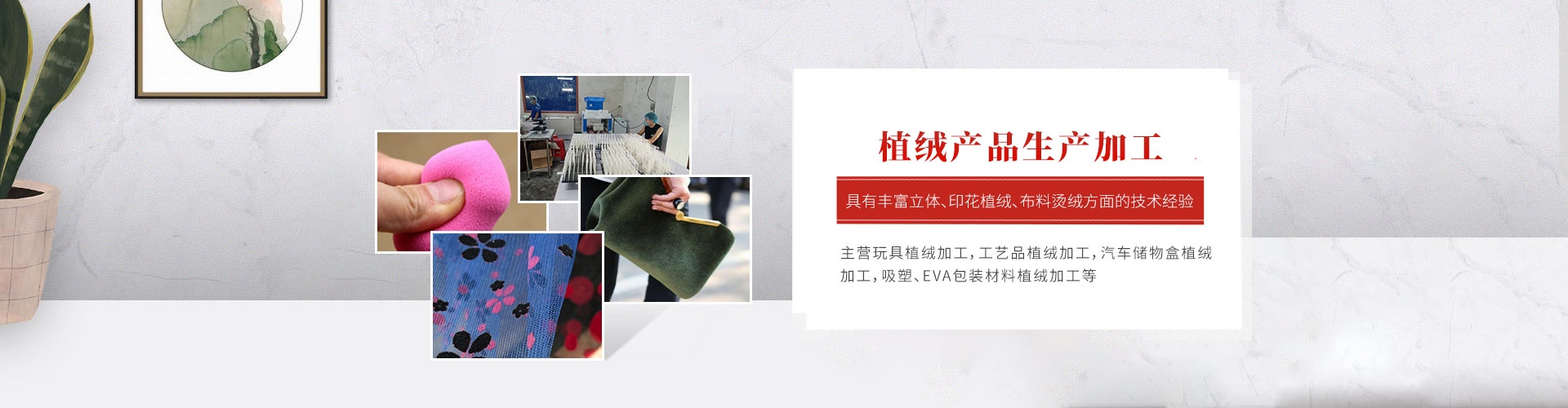


Velvet processing not only enhances the tactile comfort of products but also significantly improves their appearance, making colors appear more vibrant. A color discrepancy in the velvet can lead to a significant quality impact. Below, we explain the reasons for color discrepancies in velvet fabric!
Color variation issues must be avoided in velour processing. Typically, we first check if there's a change in the color, then observe the color trends, and finally compare them against the sample to ensure they match. Only after the quality inspector confirms they are OK can we start production.
Several factors may cause color discrepancies in the production of velvet fabric:
Velvet cloth base fabric dye paste issue: This situation requires that quality inspectors perform刮color paste board comparisons with each production run to check for any differences. The dye paste must be properly adjusted to avoid any oversight; typically, strict control and comparison ensure safety.
The issue with velour density: Both overly dense and sparse velour can cause color discrepancies. Therefore, controlling the density is crucial to prevent the two-color visual effect of color difference in velour fabric. To address this phenomenon, quality inspectors need to take samples from the left, middle, and right, as well as the front and back of each batch of velour fabric for color matching. Only then can color difference issues be effectively managed, leading to an overall improvement in quality standards.
The Flocked Fabric绒毛Color Issue: Flocked fabrics are typically dyed, and during the dyeing process, uneven dyeing may occur. However, the contrast of this phenomenon is minimal. In such cases, we usually conduct batch-by-batch inspections of the incoming materials and retain the first batch of produced绒毛color samples for comparison. We strictly demand suppliers to control the color variation of the flocked fibers to prevent color difference issues from the raw material source.
Several common reasons for the color variation in flocking fabric have been listed above. During the production and processing, factories must pay close attention to these aspects and meticulously monitor quality control details to prevent color variations.
