

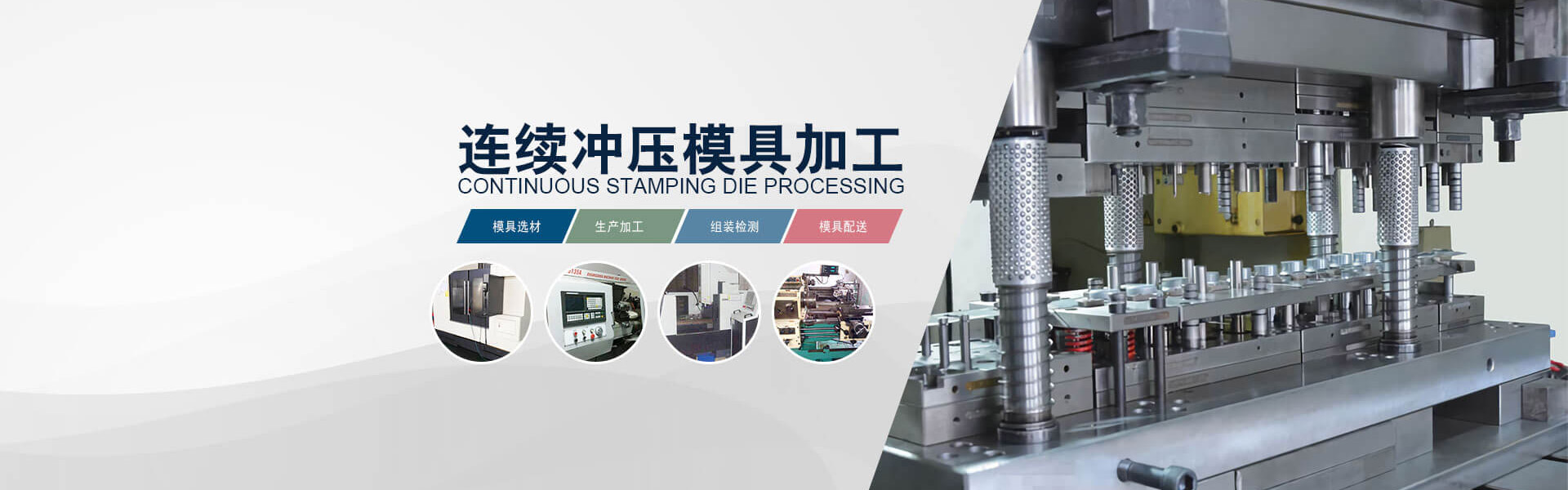


Welding and moldings are produced in the industrial manufacturing process by using various presses and equipment mounted on presses, which shape metal materials into the required parts or finished products through pressure. This type of equipment is collectively referred to as welding and moldings. So, can you also tell us about the maintenance methods for welding and moldings? We will also share our maintenance methods for your reference. Here are some key points:
1. After prolonged use, mold blades will inevitably wear. After grinding, the blade surface must be degaussed to ensure no magnetism remains, as this can cause material blockages.
2. Springs and other elastic components often suffer from damage during use, commonly experiencing breaks and deformations. The method employed is replacement, during which it is crucial to pay attention to the specifications and models of the springs. The specifications and models are confirmed by three factors: color, outer diameter, and length. Only when all three are identical should the replacement proceed.
3. During the molding process, the punches are prone to breakage, bending, and chipping, while the punch sleeves are usually damaged by chipping. The replacement of broken punches and punch sleeves often involves using parts of the same specification. The parameters of the punch include the size of the working section, the size of the mounting section, and the length size, etc.
4. Secure parts, inspect for looseness or damage in the fastening parts, and the method used is to find parts of the same specification for replacement.
5. Molding parts such as molding plates and urethane glue, as well as unloading parts like unloading plates and pneumatic lifting. During maintenance, inspect the relationship between parts and check for any damage. Repair damaged areas, examine the pneumatic lifting for any air leaks, and adopt countermeasures for detailed conditions. Replace the air tube if it is damaged.
