


1. Enhancing labor conditions and preventing personal accidents
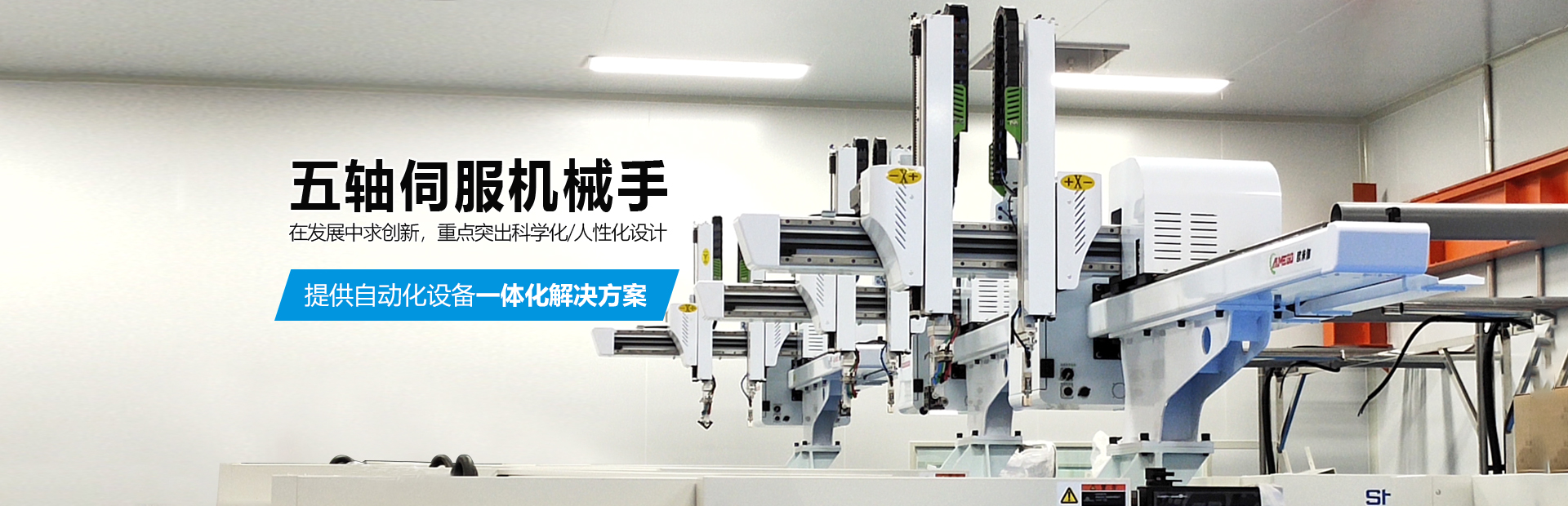
In environments with high temperatures, high pressure, low temperatures, low pressure, dust, noise, odors, radiation, or other toxic pollutants, and limited workspace, manual operation poses risks or is fundamentally impossible. However, the use of robotic arms can partially or fully replace human labor, improving working conditions. In simple, repetitive, especially labor-intensive tasks, employing robotic arms instead of humans can prevent accidents caused by fatigue or negligence during operation.
2. Reduces labor requirements and facilitates a rhythmic production process.
Replacing humans with robotic arms is a direct way to reduce labor, and since robotic arms can operate continuously, this is another aspect of labor reduction. Therefore, on the comprehensive processing production lines of automated machine tools, there are almost no robotic arms currently, in order to cut down on labor and more effectively control the pace of production, making it easier to maintain a rhythm in work and production.
3. Enhancing the degree of automation in the production process
Using robotic arms enhances the automation of tasks such as material handling, workpiece loading and unloading, tool replacement, and machine installation, thereby improving labor productivity and reducing production costs.
