
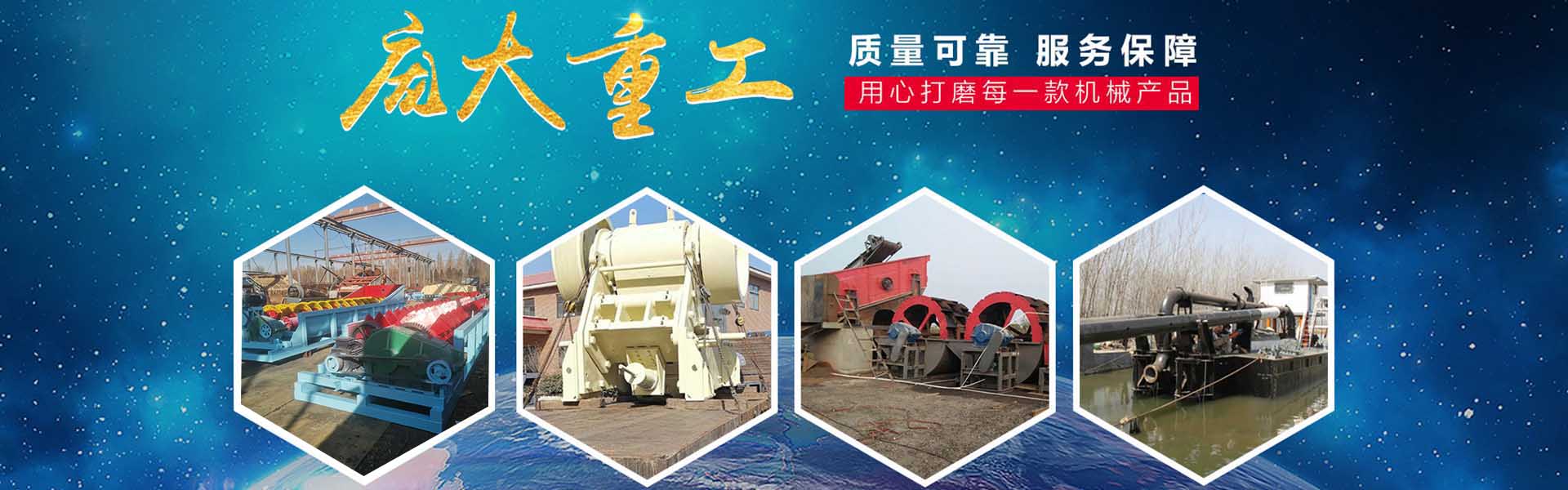


In highway engineering, a substantial amount of crushed stone material is required as aggregate for asphalt mixtures, accounting for over 80%. Besides having a certain gradation, the stones must be dehydrated, de-silted, and free of various debris. Particularly when the stone is contaminated by soil, it severely affects its adhesion with asphalt, thereby impacting the quality and durability of the asphalt mixture and the paved road surface. As the sand washing machine operates, the power unit drives the impeller to rotate slowly through a V-belt, reducer, and gears. The sand and stones are fed into the washing tank from the feed hopper, where they are tumbled and abrade each other under the impeller's action, removing impurities on the surface of the sand and stones. Simultaneously, it breaks the water vapor layer enveloping the sand particles to facilitate dehydration. Water is also added to create a strong water flow, which promptly carries away impurities and lighter foreign objects, and they are discharged from the overflow outlet of the washing tank, completing the cleaning process.
The machine boasts large processing capacity and minimal sand powder loss, among other advantages. The processing capacity required for sand washing machines by different users varies according to their actual production needs. To cater to the diverse demands of users, manufacturers must focus on producing a range of different specifications and models of sand washing machines.
