
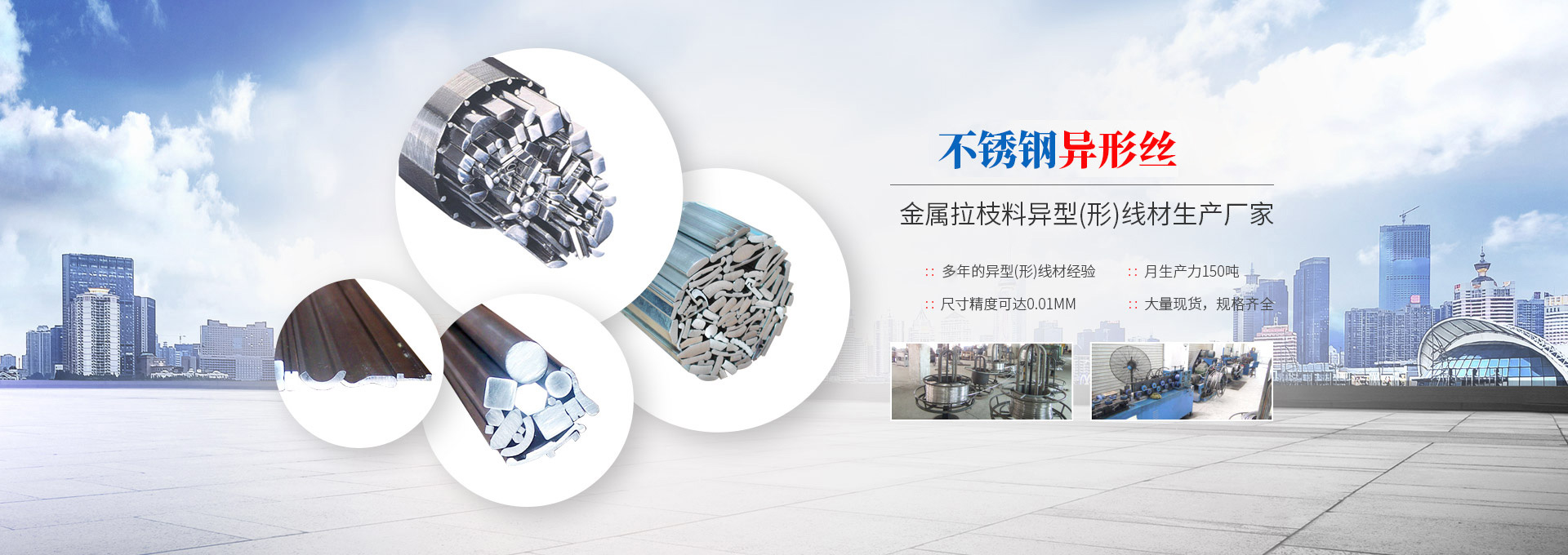
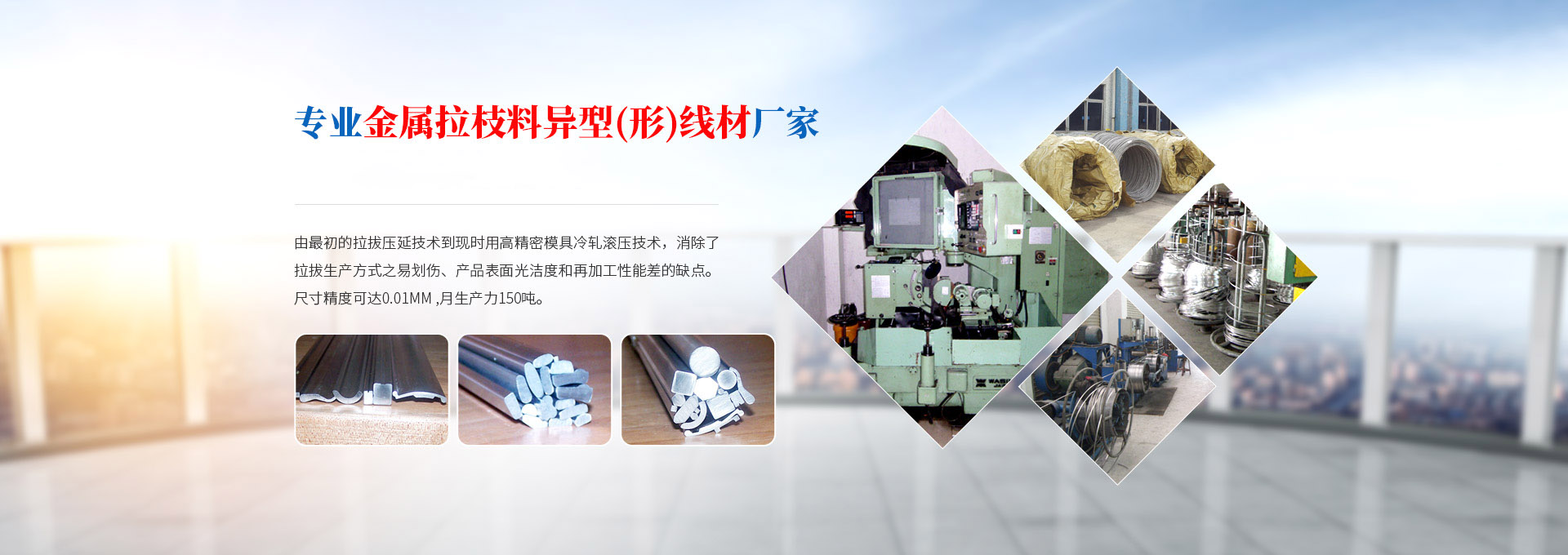
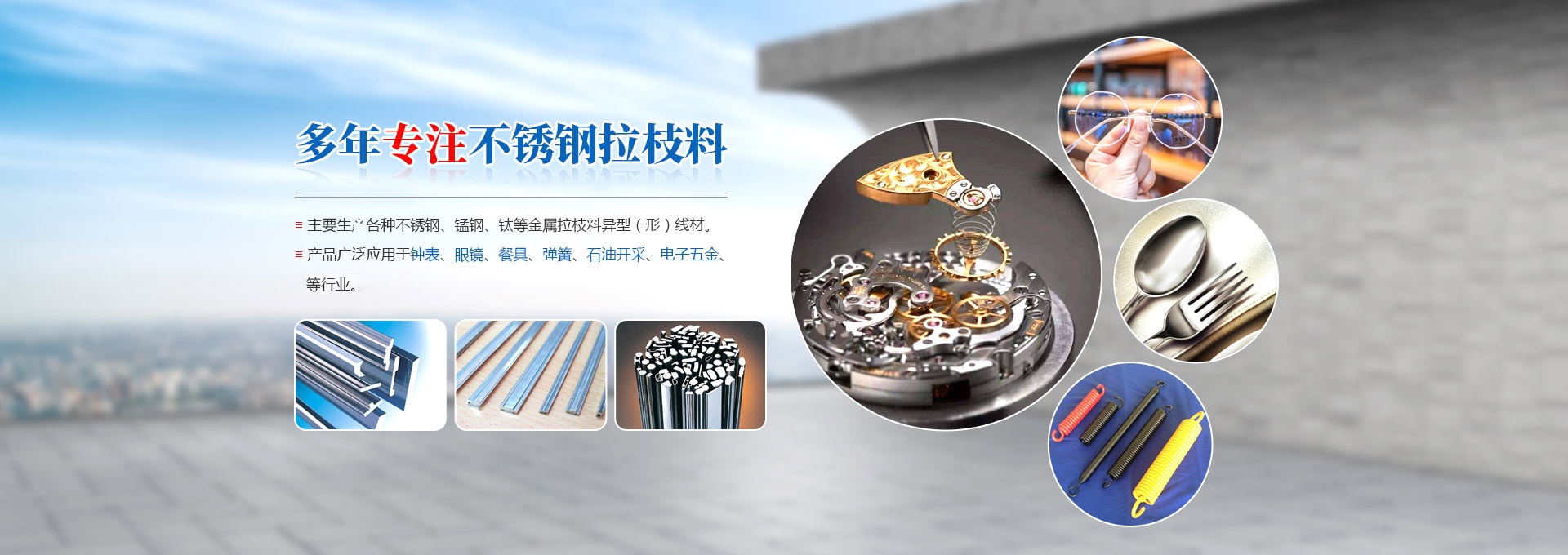

Tool Selection and Wear: Choosing the right tool is crucial, as different stainless steel materials and shapes may require different tools. During cutting, tools for stainless steel bar can easily wear, especially when cutting high-hardness or high-toughness stainless steel, which may cause pitting, spalling, and notches on the tool, thereby affecting the cutting quality. Therefore, it is necessary to regularly inspect the tool wear and replace the severely worn tools in a timely manner.
② Temperature Control: Stainless steel generates a substantial amount of heat during the cutting process. If the heat cannot be dissipated in time, it can cause the stainless steel to expand, increasing the difficulty of cutting. Therefore, appropriate cooling measures, such as using coolant or adjusting the cutting speed, are necessary to control the temperature.
③ Precision and Deformation: The cutting precision and deformation of stainless steel profile bars are issues that need attention. During the cutting process, it is crucial to ensure the stability of the workpiece to avoid inaccuracies due to movement or vibration. Additionally, due to the plastic deformation characteristics of stainless steel, it is necessary to control the cutting force and speed to prevent excessive deformation that could affect cutting precision.
④ Surface Quality: The surface quality of the cut stainless steel bar with special shape is also a point to be noted. Defects such as burrs and cracks that may occur during the cutting process can affect subsequent processing and use. Therefore, appropriate measures such as sanding and polishing should be taken to improve the surface quality.
⑤ Safety Operation: When cutting stainless steel alloy bars, it is crucial to pay attention to safety procedures. Due to the high hardness and tensile strength of stainless steel, sparks or splashes may occur during the cutting process, so protective eyewear and gloves, among other safety gear, should be worn to prevent injury.
