
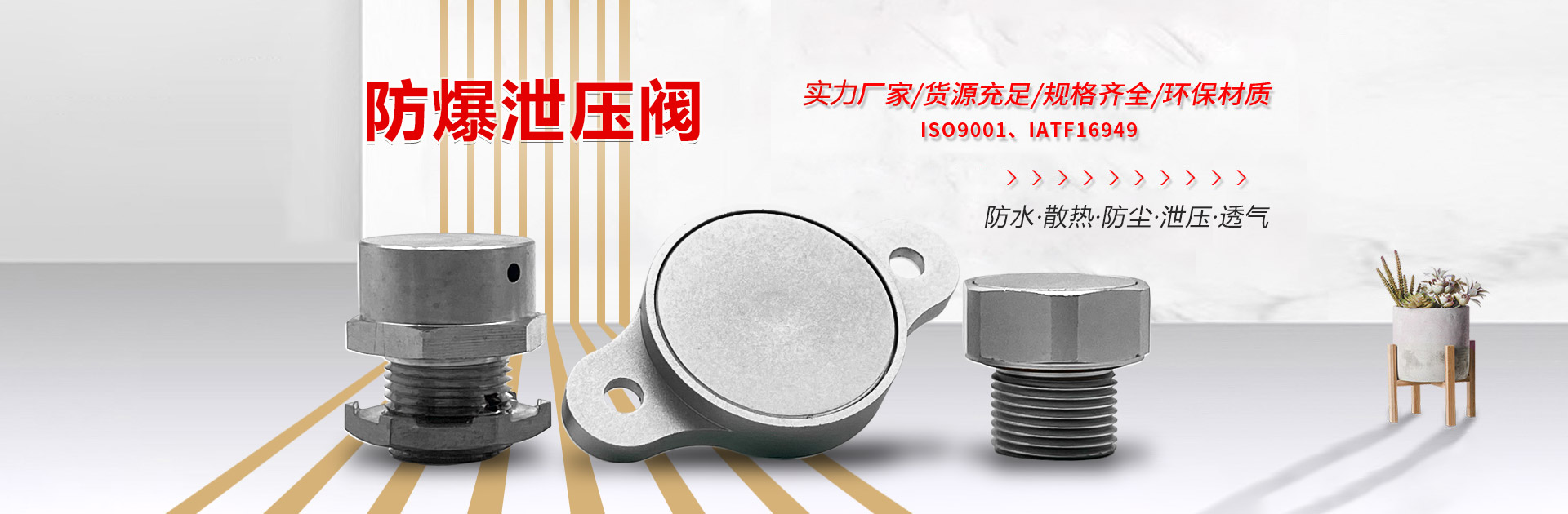
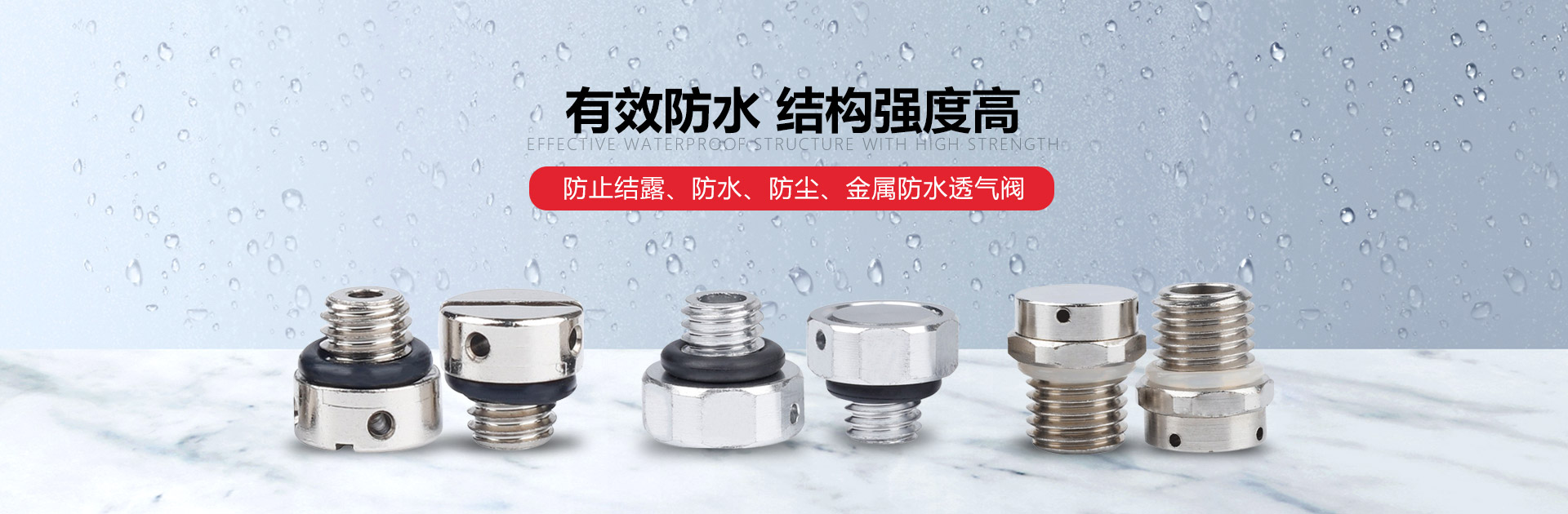
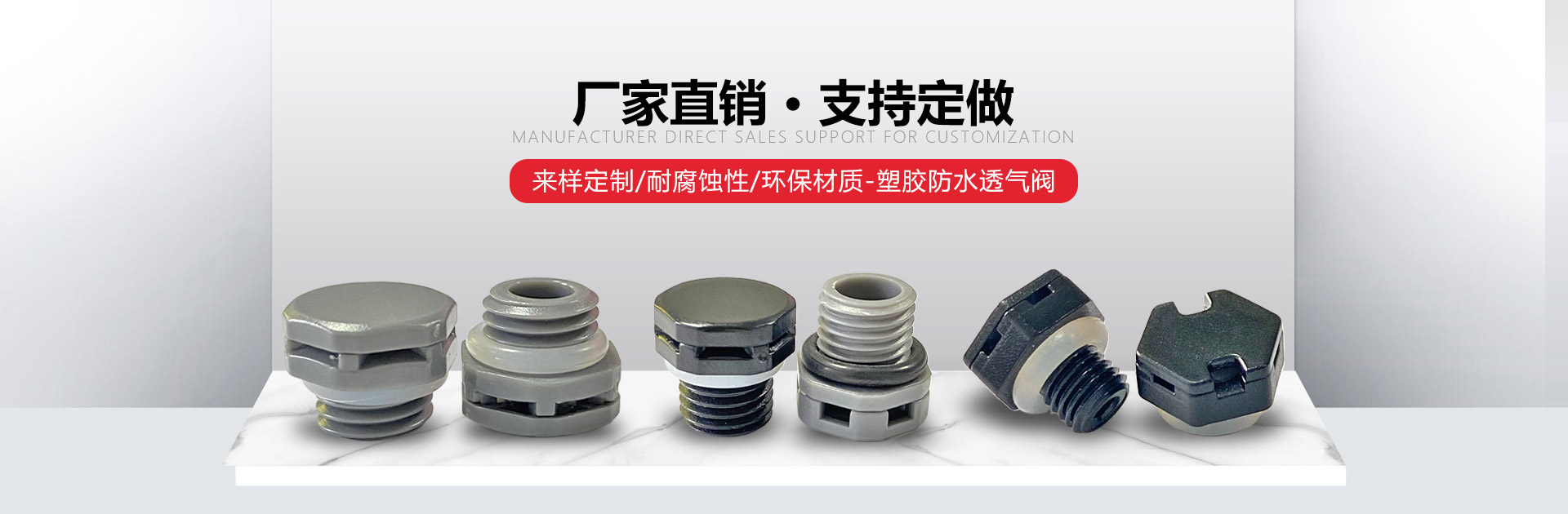
The waterproof and breathable valve is an accessory installed on the shell of our products, which serves to balance air pressure while also providing waterproofing. Our outdoor electrical equipment cannot be exposed to water, yet it generates heat, causing the gases inside to expand and contract with temperature changes, thus creating pressure differences. Therefore, it cannot be completely sealed off. The waterproof and breathable valve allows for the free flow of gases, while preventing the passage of liquid water, including misty water, thereby providing both waterproofing and breathability.
How to Choose a Waterproof and Breathable Valve?
The waterproof breathable valves appear like screws. Often, due to a lack of understanding of the breathability valves, customers tend to choose based solely on appearance. The product has a good luster, and that brand's model is larger, which might be better. Some manufacturers, in an effort to cater to customer demands, focus on these aspects to attract clients, potentially leading them down the wrong path.
Certainly, here is the translation: "Actually, from its working principle, it's not difficult to understand that a waterproof breathable valve should have several key indicators: breathability, protection level, and environmental adaptability. Let's introduce each one individually."
(1) Waterproof and Breathable Valve Airflow Selection
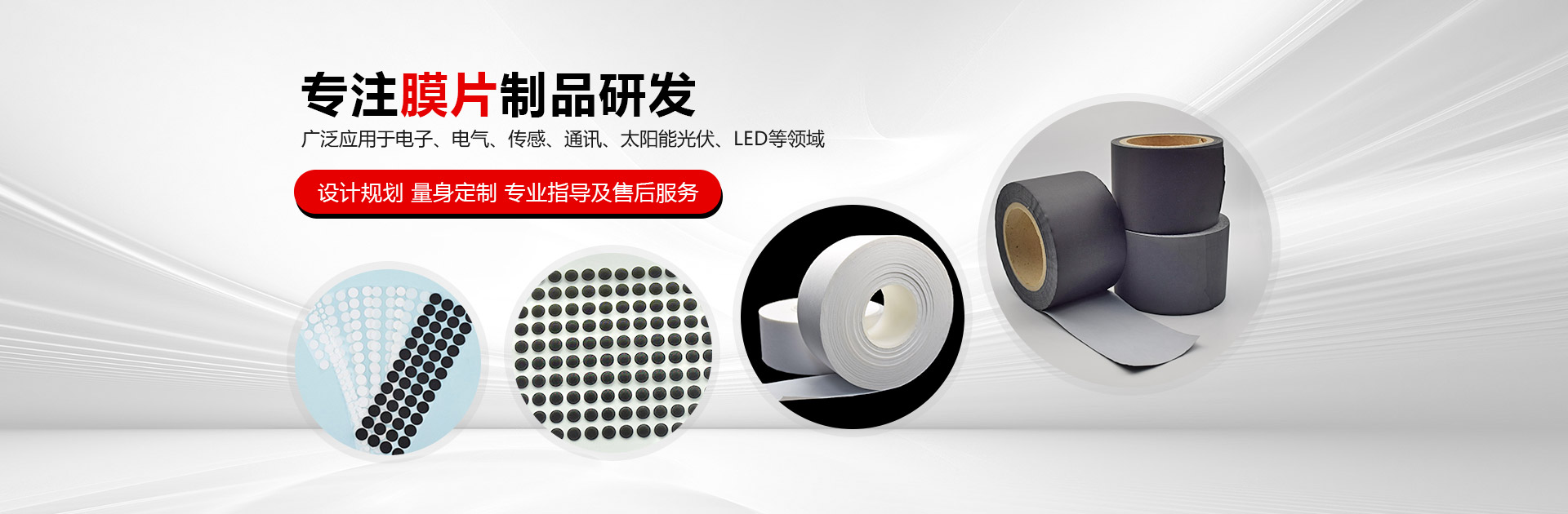
Some vent valves may appear to be large, but actually have minimal ventilation. The ventilation capacity of the vent valve is determined by the venting membrane, with the porosity of the membrane being the key factor in determining the ventilation capacity.
(2) Waterproof and Breathable Valve Protection Grade Selection
Ventilation valves: Is more air flow always better? It's not just about that. You should also consider the reliability of the protection level. If you only focus on air flow, directly creating ventilation holes in the cavity can increase air flow significantly, but it may not meet waterproof and dustproof requirements.
The protection level is typically determined by the IP rating. For products that require a respirator, an IP65 or IP67 rating is generally required, meaning they should be waterproof. We recommend customers opt for the IP67 rating, as it can withstand water pressure, such as a 1-meter depth for half an hour, while IP65 is resistant to spray but not entirely waterproof.
(3) The environmental adaptability of waterproof and breathable valves typically refers to resistance to temperature changes, UV protection, impact resistance, salt spray, and a crucial factor—moisture-permeability.