

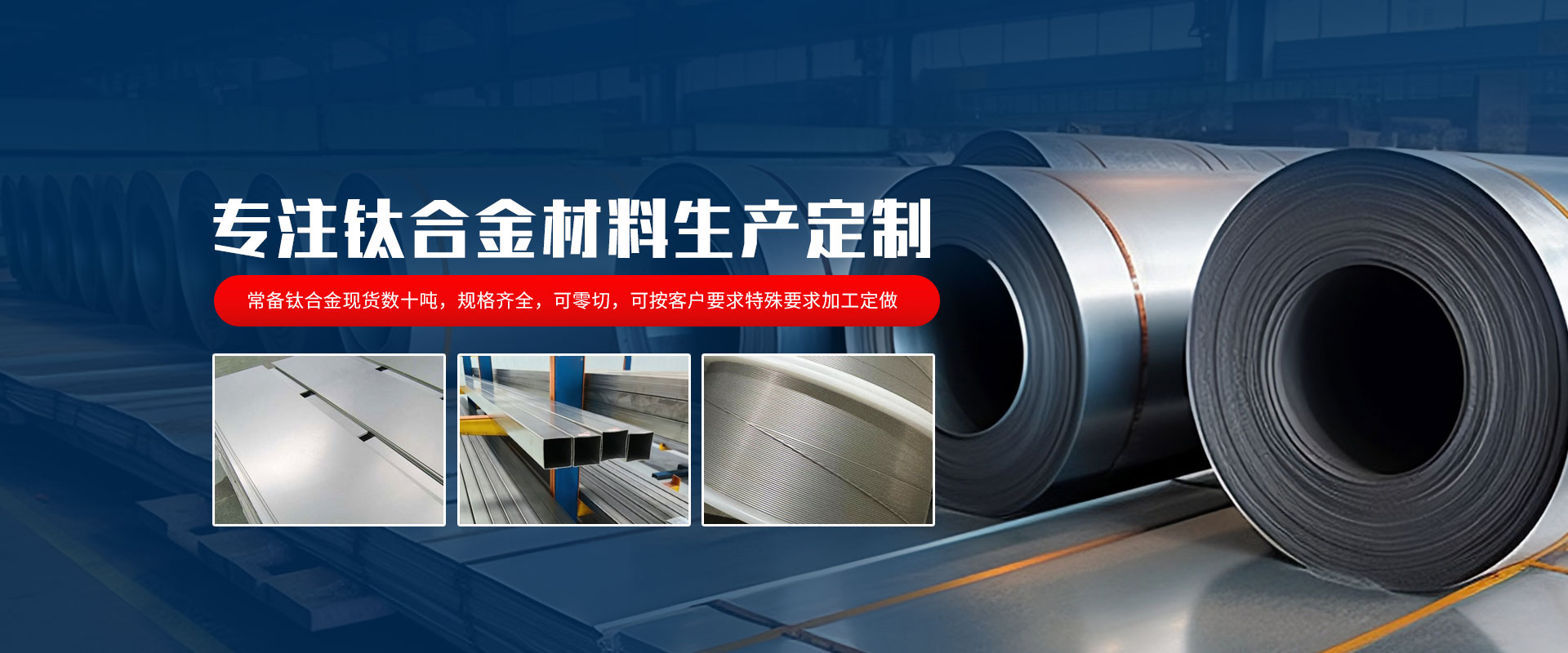
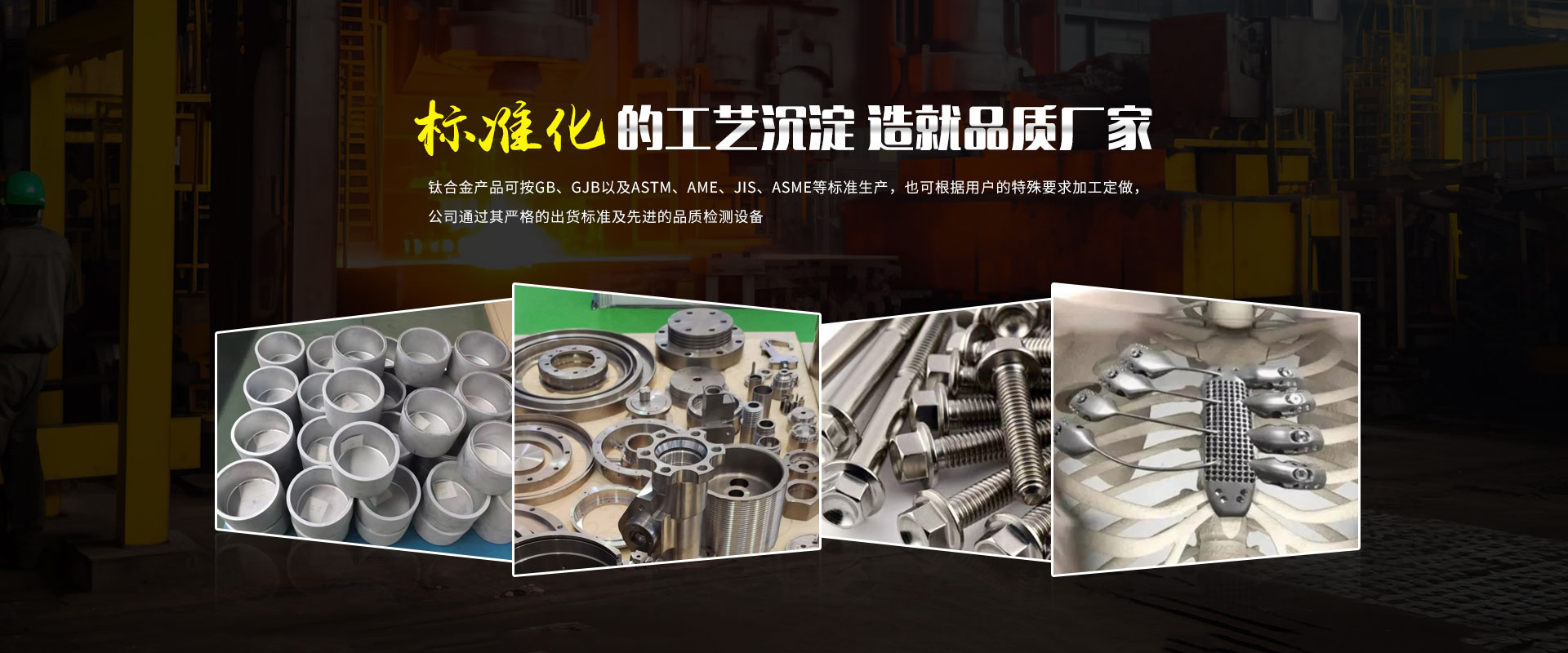

Titanium coil pipes are primarily used for heating and cooling containers. The fixing methods of titanium coil pipes are divided into two types: removable and non-removable, which depend on the medium of the material and the corrosion situation of the titanium coil pipes. However, in the design, removable types are predominantly used for the convenience of maintenance and cleaning of the titanium coil pipes.
Low density, high specific strength:
The density of titanium in titanium coils is 4.51 g/cm³, higher than aluminum but lower than steel, copper, and nickel, with a significant strength among metals.
2. Corrosion Resistance:
Titanium is a highly reactive metal. Its equilibrium potential is low, and it has a strong tendency to thermally corrode in mediums. However, titanium is highly stable in a variety of mediums, including oxidizing, neutral, and weakly reducing ones, and exhibits corrosion resistance.
Excellent heat resistance properties
This new titanium alloy can be used for long-term service at temperatures of 600°C or higher.
Excellent low-temperature performance
Low-temperature titanium alloys, such as TA7 (Ti-5 Al-2.5Sn), TC 4 (Ti-6 Al-4V), and Ti-2.5Zr-1.5Mo, exhibit increased strength with decreasing temperatures, yet their plasticity changes minimally. Maintaining good ductility and toughness at temperatures between -196 to -253°C, they avoid metallic cold brittleness and are ideal materials for low-temperature containers and storage tanks.
5. Excellent resistance to damping performance
Titanium, when subjected to mechanical and electrical vibrations, exhibits a longer vibration decay time compared to steel and copper metals. This property of titanium can be utilized in applications such as tuning forks, vibration elements for academic crushers, and vibration membranes for speakers.
6. Non-magnetic, free of impurities:
Titanium in titanium coils is a non-magnetic metal that is not magnetized in strong magnetic fields. It is free of impurities and has good compatibility with human tissues and blood, making it a choice for academic use.
7. Tensile strength is nearly equal to yield strength:
Titanium's properties indicate a higher yield strength ratio (tensile strength/yield strength), suggesting that titanium metal has poorer plastic deformation during the forming process. Due to the large ratio of yield stress to elastic modulus, titanium exhibits increased resilience during the forming process.
8. Excellent heat exchange performance:
Titanium's thermal conductivity is lower than carbon steel and copper, but due to its excellent corrosion resistance, its wall thickness can be significantly reduced. The heat transfer between the surface and steam occurs through filmwise condensation, which reduces heat losses. If cooling is applied to the surface, heat losses can also be reduced. Due to the absence of scaling on the surface, titanium's heat transfer performance can be notably enhanced.
9. Low Elastic Modulus:
The elastic modulus of titanium at room temperature is 106.4 GMPa, which is 57% of steel.
10. Suction Performance:
Titanium in titanium coils is a highly reactive metal that can react with many elements and compounds at high temperatures. Titanium absorption primarily refers to reactions with carbon, hydrogen, nitrogen, and oxygen under high-temperature conditions.
