
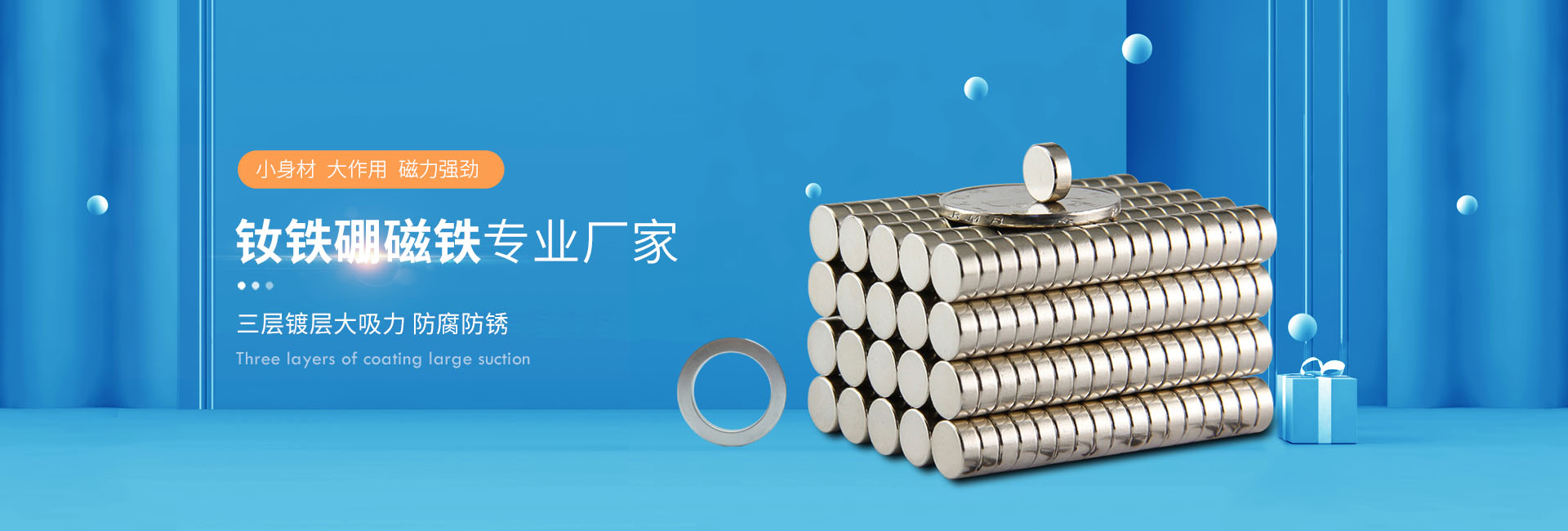
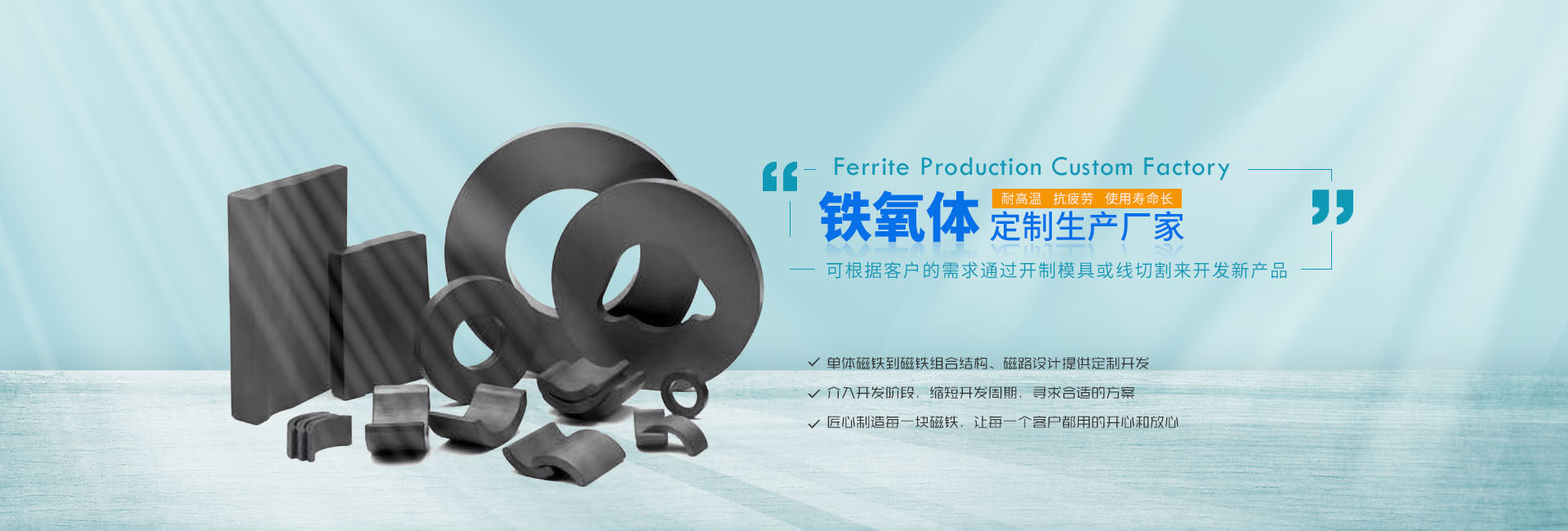
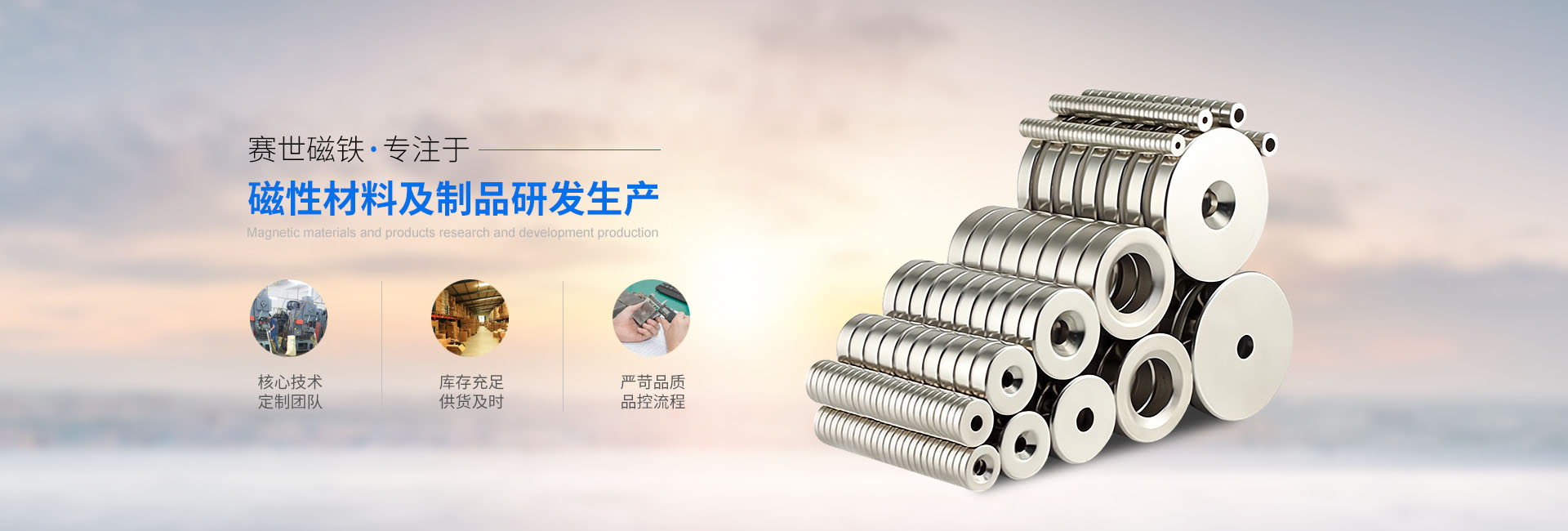

Magnetic materials, as the outcome of rare earth permanent magnet material development, are known as the "Magnetic King" due to their superior magnetic properties. These materials are alloys of neodymium, iron oxide, and others, also referred to as magnetic steel. They possess high magnetic energy product and coercivity, and the advantage of high energy density makes permanent magnet materials widely used in modern industry and electronics technology, enabling the miniaturization, lightweighting, and thinning of equipment such as instruments, electroacoustic motors, magnetic separation, and magnetization. Their strengths lie in their high cost-performance ratio and good mechanical properties; however, their drawbacks include a low Curie temperature point, poor temperature characteristics, and a tendency to powder and corrode. These issues must be addressed by adjusting their chemical composition and employing surface treatment methods to meet practical application requirements.
The third-generation rare earth permanent magnet is a highly performing permanent magnet among contemporary magnets. Its main raw materials include 29%-32.5% neodymium rare earth metal, 63.95%-68.65% iron, 1.1%-1.2% non-metallic boron, and trace amounts of dysprosium (0.6%-1.2%), niobium (0.3%-0.5%), aluminum (0.3%-0.5%), and copper (0.05%-0.15%).
Permanent magnet materials are based on the intermetallic compound RE2Fe14B. The main components include rare earth (Re), iron (Fe), and boron (B). The rare earth element Nd can be partially substituted with other rare earth metals such as Dysprosium (Dy) and Praseodymium (Pr) to achieve different properties. Iron can also be partially replaced by other metals like Cobalt (Co) and Aluminum (Al). Although the content of boron is relatively low, it plays a crucial role in forming the tetragonal crystal structure of the intermetallic compound, resulting in high saturation magnetization, high uniaxial anisotropy, and high Curie temperature.
Process flow: Blending → Casting/Sprue → Powdering → Shaping → Sintering and Annealing → Magnetic Testing → Machining → Cutting → Electroplating → Finished Product. Among them, blending is the foundation, and sintering and annealing is the key.
Magnet blank production tools and performance testing equipment: melting furnaces, casting machines, jaw crushers, air classifiers, molding presses, vacuum sealing machines, isostatic presses, sintering furnaces, heat treatment vacuum furnaces, magnetic property testers, and gaussmeters.
Magnetic machining tools: centerless grinding, round grinding machines, double-end grinding, flat grinding, slicing machines, double-sided grinding, wire cutting, Tianjin High-Speed, West Lake Drilling Machines, and irregular grinding, etc.
