
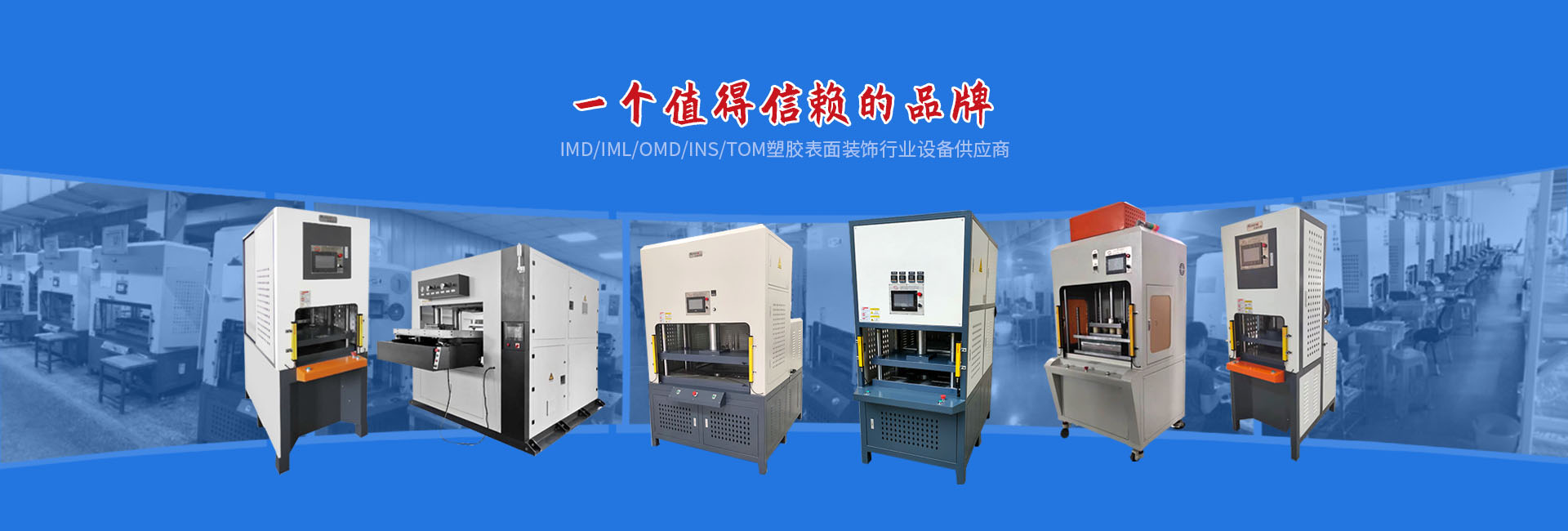

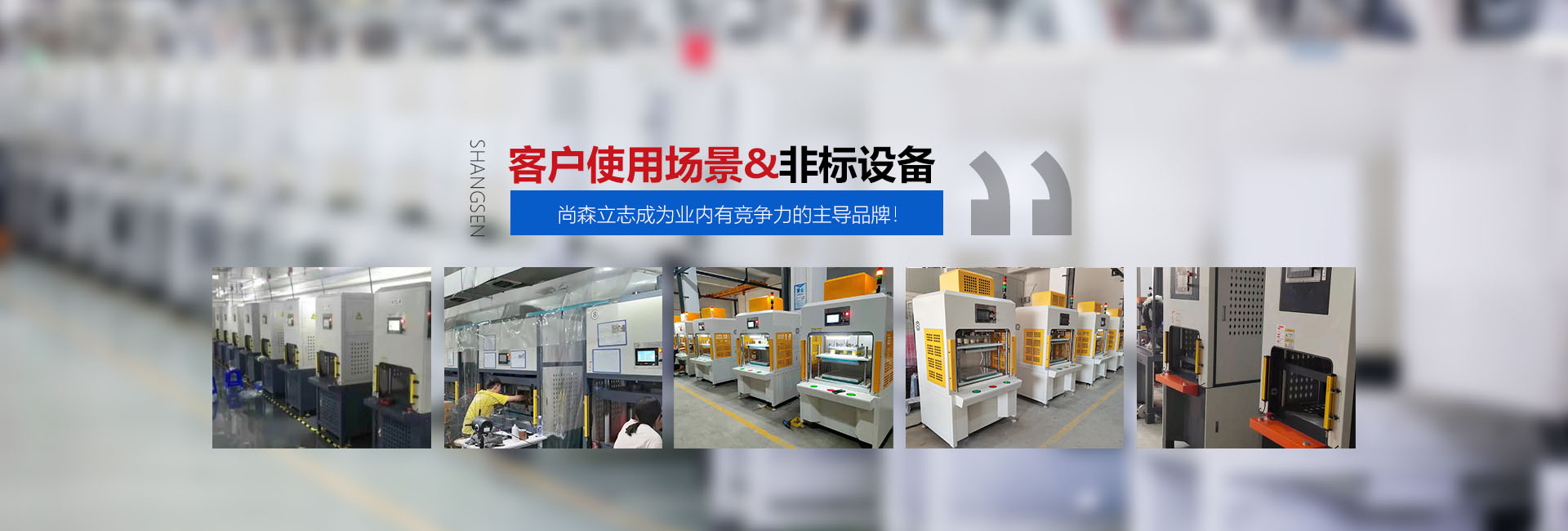
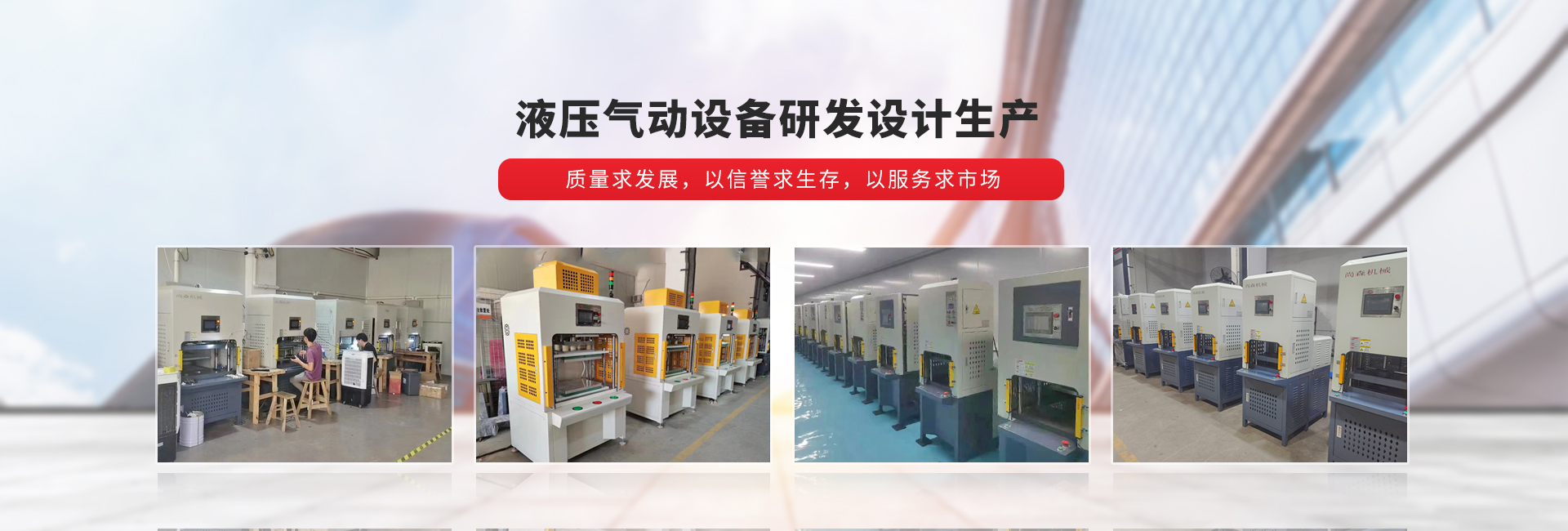
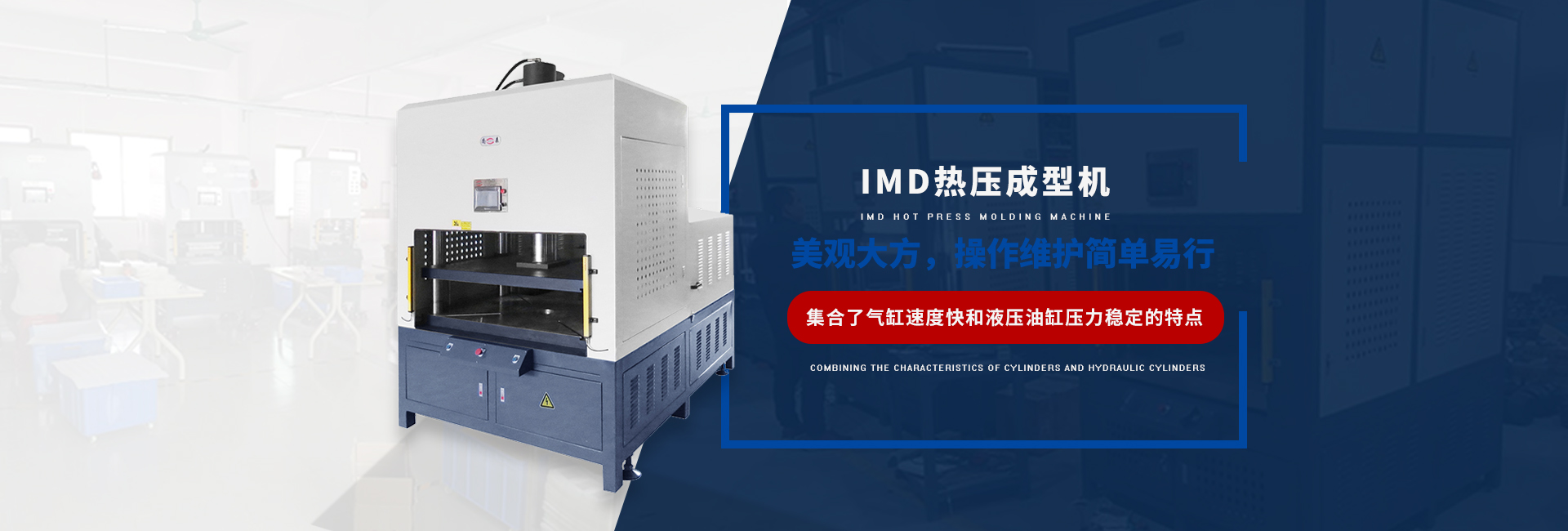

Servo hydraulic presses are energy-saving and efficient hydraulic machines driven by servo motors to control the main transmission oil pump, reducing the control valve circuit, and controlling the hydraulic press slider. They offer advantages such as energy savings, low noise, minimal heat generation, high level of automation, high precision, high efficiency, and easy maintenance. They are suitable for processes such as stamping, die forging, assembly, and straightening. Proper use of machinery and equipment, careful maintenance, and strict adherence to safety operation procedures are essential for extending the lifespan of equipment and ensuring safe production.
Hydraulic oil serves as the energy transmission medium during the operation of hydraulic stations. The quality, cleanliness, and viscosity of hydraulic oil play a crucial role in determining the lifespan of hydraulic pumps, valves, and cylinders. Therefore, it is essential to prioritize the quality of hydraulic oil and maintain its cleanliness when using hydraulic stations. The oil used in hydraulic systems must undergo strict filtration, and filter elements should be installed in the hydraulic system.
2. Ensure the fuel level is consistently maintained at an adequate height to provide sufficient circulation and cooling for the system's oil. Pay attention to keeping the fuel tank, oil lines, and other equipment clean for better heat dissipation. Generally, an oil temperature between 30℃-55℃ is considered safe and appropriate for optimal performance and extended lifespan.
3. Sliders should be lubricated regularly, and the exposed surfaces of the columns should be kept clean at all times. It is recommended to spray oil before each operation. To prevent dust and water from falling into the oil, the area around the oil tank should be kept clean, and regular maintenance should be performed.
4. Work fluids should be changed annually, with the replacement time not exceeding three months; to ensure the reliable operation of the press, it is recommended that users replace certain components of the press once they reach the end of their service life.
5. Recommend a semi-annual calibration check of the pressure gauge.
6. If the machine is to be idle for an extended period, clean and wash all the joints' surfaces and apply rust-proof oil.
7. The system's working pressure is adjusted by a pressure regulator to set the hydraulic pump's output pressure. Generally, the adjusted pressure should not exceed the originally designed rated pressure, otherwise it may cause damage to the hydraulic pump, jamming of hydraulic valves, or motor burnout, etc. Under a nominal pressure of 500T, the concentrated load allows for an eccentricity of 40mm; excessive eccentricity may easily cause the column to be damaged or other adverse phenomena.
