
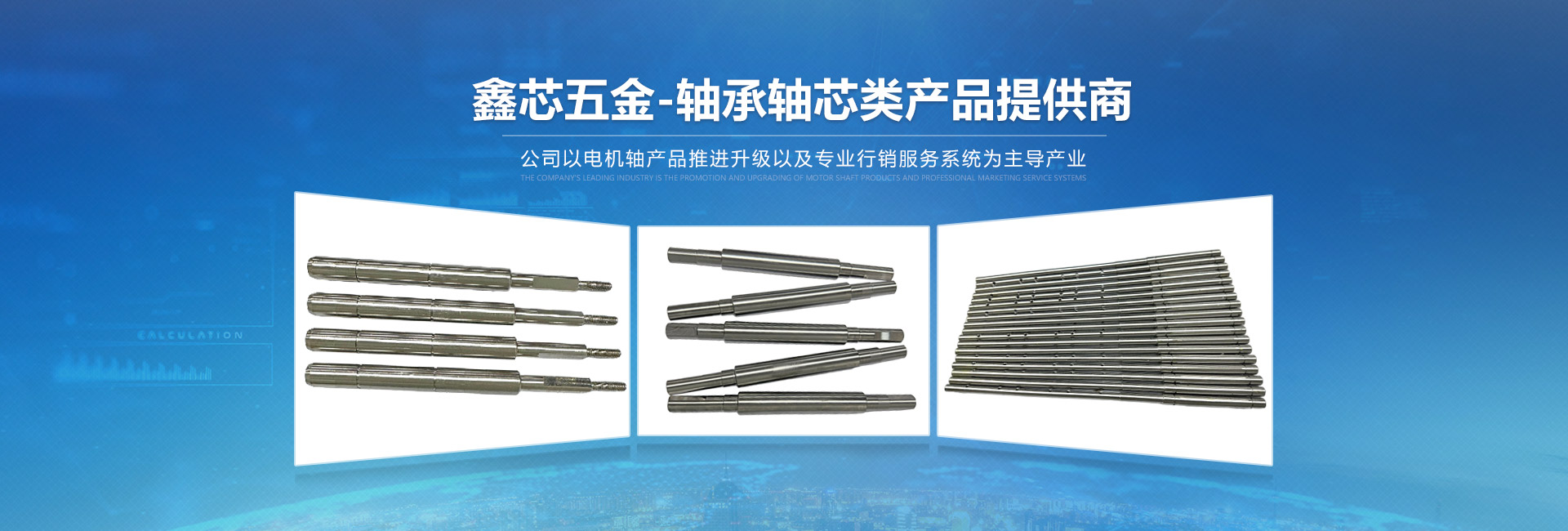
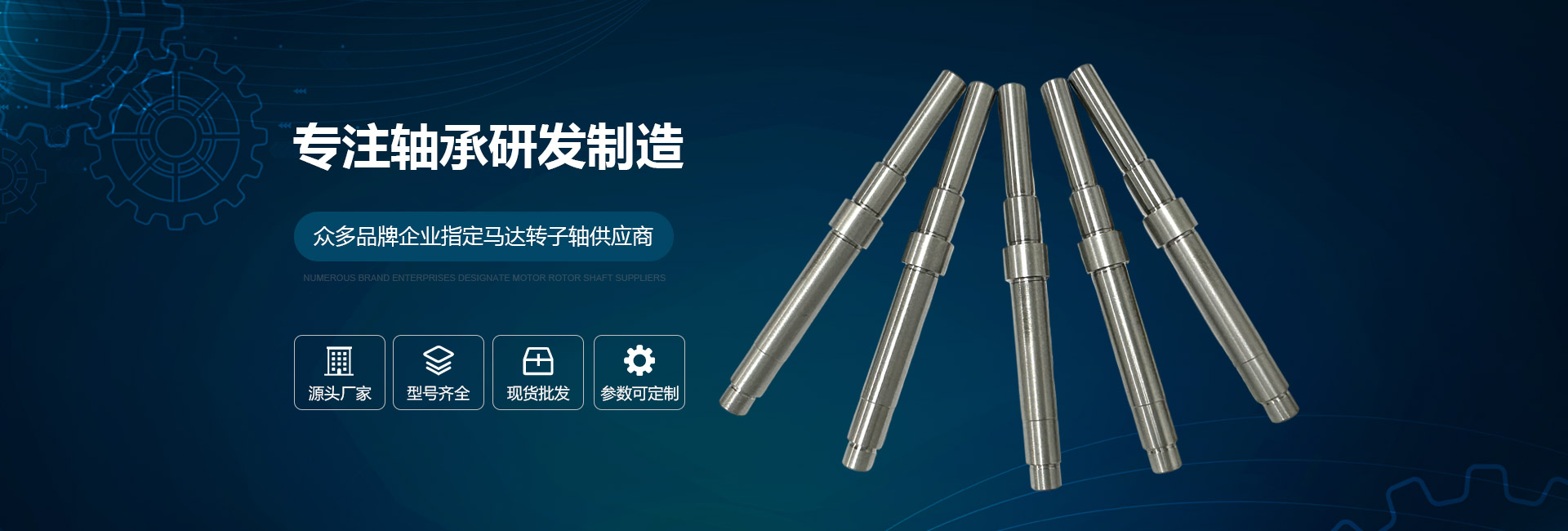


A rotor assembly is a common mechanical structure widely used in various types of machinery and equipment. It consists of multiple components, including the rotor, bearings, and positioning parts. The structural design of the rotor assembly directly impacts the performance and lifespan of the mechanical equipment.
The rotor is the core component of the rotor assembly, typically made of metallic materials such as iron or aluminum alloys. The shape of the rotor can be cylindrical, conical, spherical, etc., determined by specific application requirements. During the operation of mechanical equipment, the rotor rotates under the influence of external force or electrical energy, thereby driving the entire mechanical equipment to function.
Bearings are a crucial component of the rotor assembly, serving to support and locate the rotor. Depending on varying operational requirements, bearings can be selected as rolling or sliding bearings. Rolling bearings typically consist of inner rings, outer rings, rolling elements, and retainers, which reduce friction through the rolling of the elements, thereby enhancing the rotational efficiency of the rotor. Sliding bearings, on the other hand, decrease friction by forming a lubricating oil film, ensuring a smooth rotation of the rotor.
Positioning parts are components within the rotor assembly that serve to stabilize and maintain accuracy during operation. Typically made of metal or plastic, these parts come in various shapes such as pins, sliding pins, and positioning blocks. By fitting with the rotor or other components, these positioning parts ensure precise assembly of the rotor assembly, preventing failures caused by vibration or misalignment.
In addition to the main components mentioned above, the rotor assembly includes auxiliary parts such as seals and lubrication systems. Seals are used to prevent the leakage of liquids or gases within the rotor assembly, ensuring the normal operation of the mechanical equipment. The lubrication system is designed to supply oil or grease, reducing friction between the rotor and the bearings, thereby extending the service life of the rotor assembly.
During the design and manufacturing of the rotor assembly, various factors must be considered. First is the selection of the rotor material, which should be determined based on the working environment and load requirements of the mechanical equipment. Next is the shape and size of the rotor, ensuring compatibility with other components and the rotational balance of the rotor. Additionally, the ease of assembly and maintenance of the rotor assembly, as well as issues such as thermal expansion and conduction between the rotor and other components, should also be taken into account.
A rotor assembly is a critical mechanical structure, whose design directly impacts the performance and lifespan of machinery. The design and manufacturing of components such as rotors, bearings, and positioning parts should fully consider the working environment and usage requirements of the machinery to ensure its normal operation and long-term stability. By continuously improving the structure and materials of the rotor assembly, the efficiency and reliability of machinery can be enhanced, meeting the engineering needs of various fields.
