
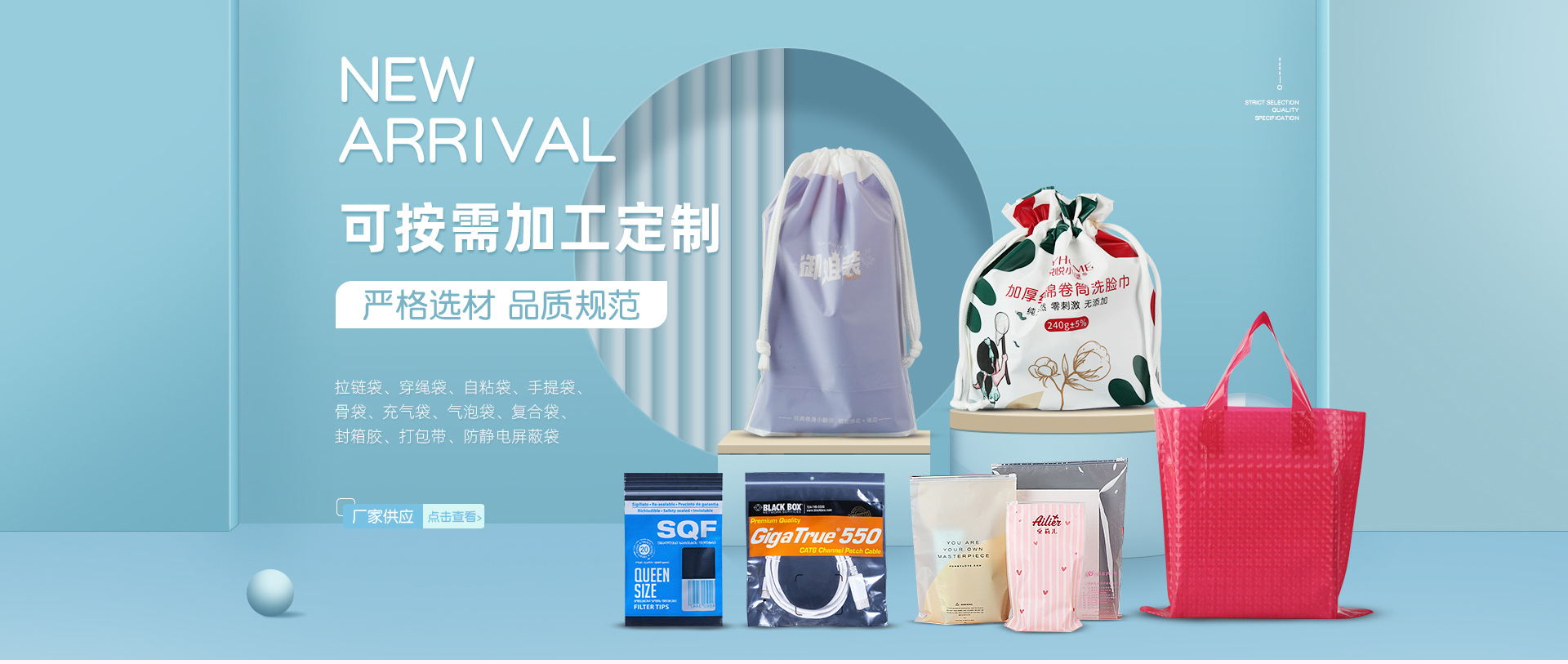

Self-seal bags refer to packaging bags that can be automatically sealed through pressing. Common types include zip-seal bags and blowing-seal bags, among others. Most self-seal bags are made by blowing films from two chemical materials and then sealing them with a heat-cutting mechanism, allowing for reusable packaging.
Self-seal bags can be used for the packaging of various small items, such as jewelry, hardware, toys, and more, both for internal and external packaging. They are also employed in the production of food ingredients, where they can store a variety of small food items, tea, seafood, sugar, and more, providing moisture resistance, flavor prevention, waterproofing, pest resistance, and preventing items from spilling. Self-seal bags are also suitable for packaging clothing and other daily necessities, with a wide range of applications.
One: Self-made home ice packs
In life, it's inevitable to encounter minor injuries or bumps. Making a homemade ice pack can help alleviate the pain. This is where the magic of resealable bags comes into play. First, pour liquid soap into a resealable bag, seal it, and place it in the freezer. Once the bag is frozen solid, it's ready for use. This DIY ice pack is perfect for sports injuries and minor bruises.
Electronic Device Waterproof Pouch
Most electronic devices, like smartphones, don't come with waterproof capabilities. In outdoor settings, using a resealable bag or a homemade waterproof seal comes in handy. You can place your phone inside a resealable bag, fold and seal it, so there's no need to worry about water or dust when you're at the beach or by the sea during outdoor activities. Moreover, the phone remains functional inside the sealed bag.
Three: Food Vacuum Bags
Self-sealing bags can be used as vacuum food bags, utilizing the principle that water pressure is greater than air pressure to expel the air inside the bag. Place the food in the self-sealing bag, then slowly submerge it vertically into water. Seal the bag when the seal is on the water surface. By vacuum-sealing the food, it can be stored for a longer period.
Four: piping bags
Self-sealing bags can also be used as piping bags. Simply pour the cream needed into the self-sealing bag and seal it, then cut a small, appropriate hole at the bottom of the bag, and it can be used as a piping bag.
Sealable bags, besides their common use in packaging, surprisingly have these little applications too, and they're quite popular! The above content is an introduction to sealable bags, hoping it's helpful to everyone.
