
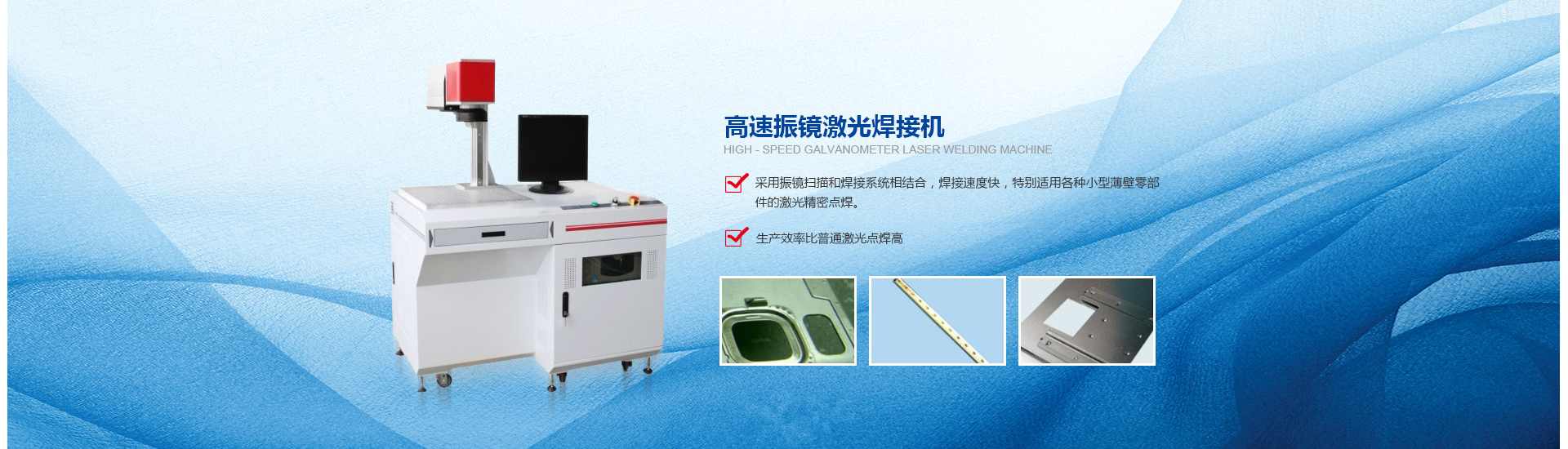

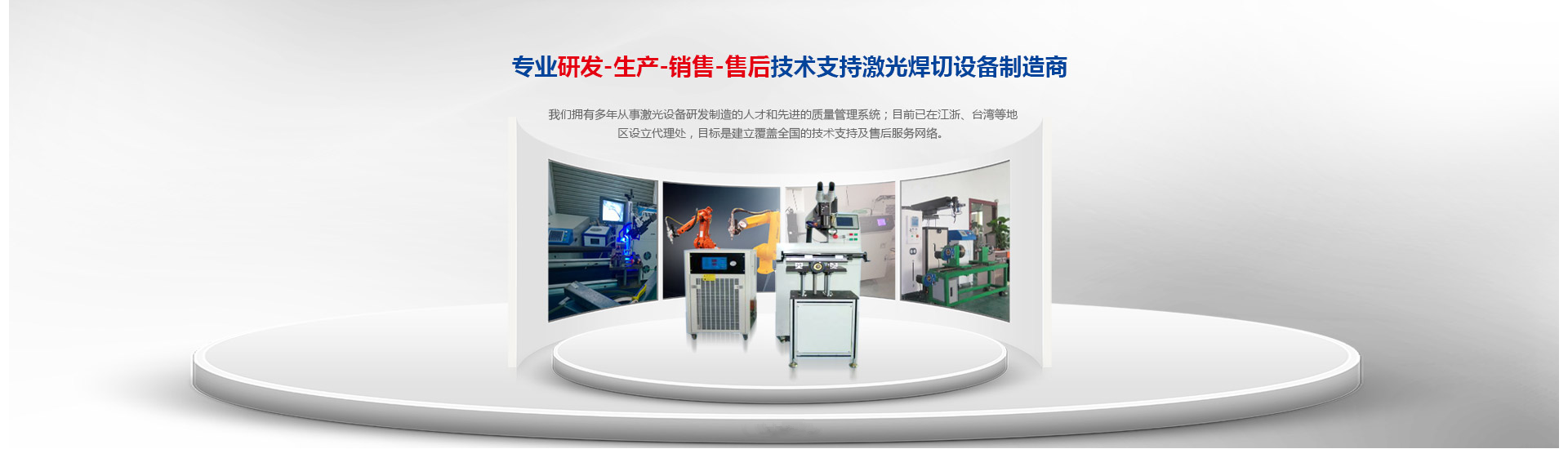

Laser marking machines are a popular marking equipment choice, with their precise marking capabilities highly favored across various industries. In this article, we'll explore the components that make up a laser marking machine.
It typically consists of the following components:
1. Laser: A laser is the core component of a laser marking machine, producing high-energy laser beams, typically within the ultraviolet, infrared, or visible light spectrum. Common types of lasers include solid-state lasers and gas lasers.
2. Optical System: The optical system is used to control the path and shape of the laser beam. It may include mirrors, holographic lenses, scanning systems, and focusing lenses, among others.
3. Control System: The control system is used to generate and adjust the power and frequency of the laser beam, as well as control the movement during the marking process. This is typically achieved through a computer system, programmed by specialized marking software.
4. Robots or Workstations: Robots or workstations are used to carry and process marking objects. They can automatically move the marking head to the marking position or accommodate large or heavy objects.
5. Sensor and Feedback Systems: Sensors are used to monitor the marking process, such as detecting the depth or quality of the marks. The feedback system utilizes this information to adjust marking parameters, enhancing the quality of the markings.
The primary advantages of laser marking machines include high precision, high speed, and efficiency. They are also widely regarded as an environmentally friendly manufacturing method, as they do not produce waste and consume relatively less energy.
